How to Maintain a Metal Roof in Washington
Living in Washington State, you know all too well the unique challenges our beautiful, rainy climate presents to just about everything, especially the exterior of your home. Your metal roof, while incredibly durable, isn't immune to the constant dampness, moss growth, and seasonal debris that come with our lush landscapes. If you've been wondering how to keep your metal roof in top-notch condition against the Pacific Northwest elements, this comprehensive guide is for you, detailing practical, Washington-specific maintenance strategies.
Understanding Washington's Unique Climate and Its Impact on Metal Roofs
Washington's climate is truly a mixed bag, offering everything from persistent rain and mild temperatures on the western side to snowy winters and drier summers in the east. This diverse weather pattern means that metal roofs here face a specific set of environmental stressors that owners in other regions might not encounter with the same intensity. Understanding these challenges is the first step toward effective maintenance.
The Evergreen State's Wet Weather Woes
It’s no secret that Washington is famous for its rain, particularly west of the Cascades. This constant moisture, combined with relatively mild temperatures, creates an ideal breeding ground for moss, algae, and lichen. These growths don't just look unsightly; they can trap moisture against your roof's surface, potentially accelerating the wear on protective coatings, creating weak spots, and even impeding proper water runoff. Over time, prolonged exposure to trapped moisture can lead to corrosion, especially if the protective paint layer is compromised. Areas with overhanging trees, common in our naturally forested state, exacerbate this issue by providing shade and a steady supply of organic debris that acts as a nutrient source for these growths.
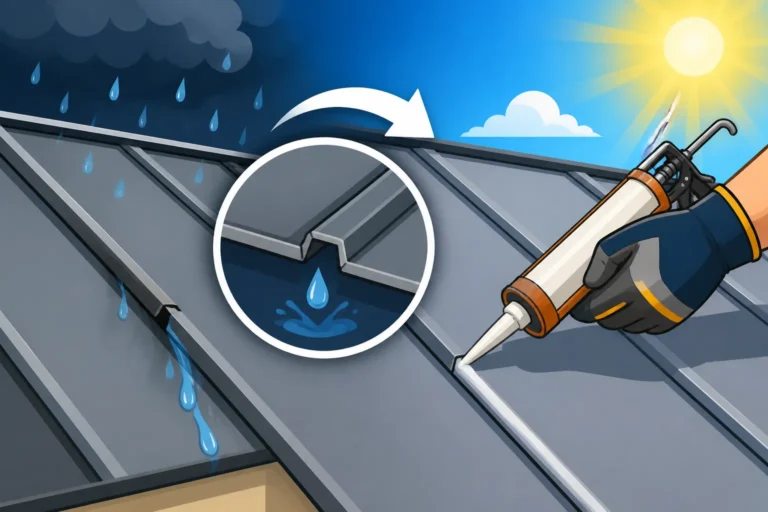
Beyond biological growth, the sheer volume of rainfall can also test the integrity of seams, fasteners, and flashing over time. While metal roofs are designed for excellent water shedding, persistent downpours can push water into the tiniest imperfections, leading to leaks if not properly maintained. The constant wetness also means that any scratches or dings in your roof's protective coating are exposed to moisture for longer periods, increasing the risk of rust.
Temperature Swings and Thermal Expansion
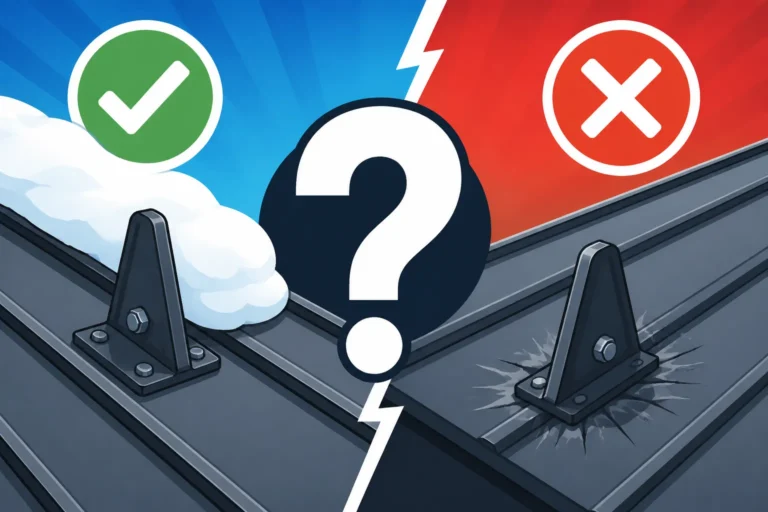
While Washington doesn't always experience the extreme heat or cold found in some other states, our temperature fluctuations, especially during spring and fall, can still impact your metal roof. Metal naturally expands when heated and contracts when cooled. This thermal movement, though typically subtle, is a continuous process. Over decades, this constant movement can stress fasteners, potentially causing them to back out or loosen, and can put strain on the seams of your metal panels. This is particularly true for larger panel systems like standing seam roofs.
If your roof experiences drastic temperature changes, say a warm, sunny afternoon followed by a freezing night, the expansion and contraction cycles intensify. This can degrade the rubber washers under exposed fasteners, making them brittle and less effective at sealing. It can also cause minor shifts in panels that, while not immediately visible, can eventually compromise the watertight seal. For homeowners in Eastern Washington, where summers can be hot and winters quite cold, these temperature swings are even more pronounced, making fastener and seam inspections paramount.
Wind and Coastal Considerations
Washington’s geography includes a significant coastline, particularly along Puget Sound and the Pacific Ocean. Homes in these coastal areas face additional challenges: salt spray and high winds. Salt, carried by the marine air, is highly corrosive and can accelerate the degradation of metal coatings, leading to rust much faster than in inland areas. Even a few miles inland, the saline air can have an effect. This means choosing the right material, such as aluminum, or a highly corrosion-resistant coating like PVDF, is crucial from the outset.
Beyond corrosion, strong winds are a statewide concern, from blustery coastal storms to fierce winds funneling through mountain passes and across the plains. A properly installed metal roof is extremely wind-resistant, but over time, severe gusts can still put stress on panel edges and fasteners. Any pre-existing damage, like a loose panel or a failing fastener, can be exacerbated by high winds, potentially leading to panel uplift or detachment during a major storm. Regular inspections for any signs of loosening or damage are vital to ensure your roof can withstand the next big blow. For more on how metal roofs handle extreme weather, check out our guide on Metal Roof Storm, Hail & Wind Damage.
Essential Routine Maintenance Practices
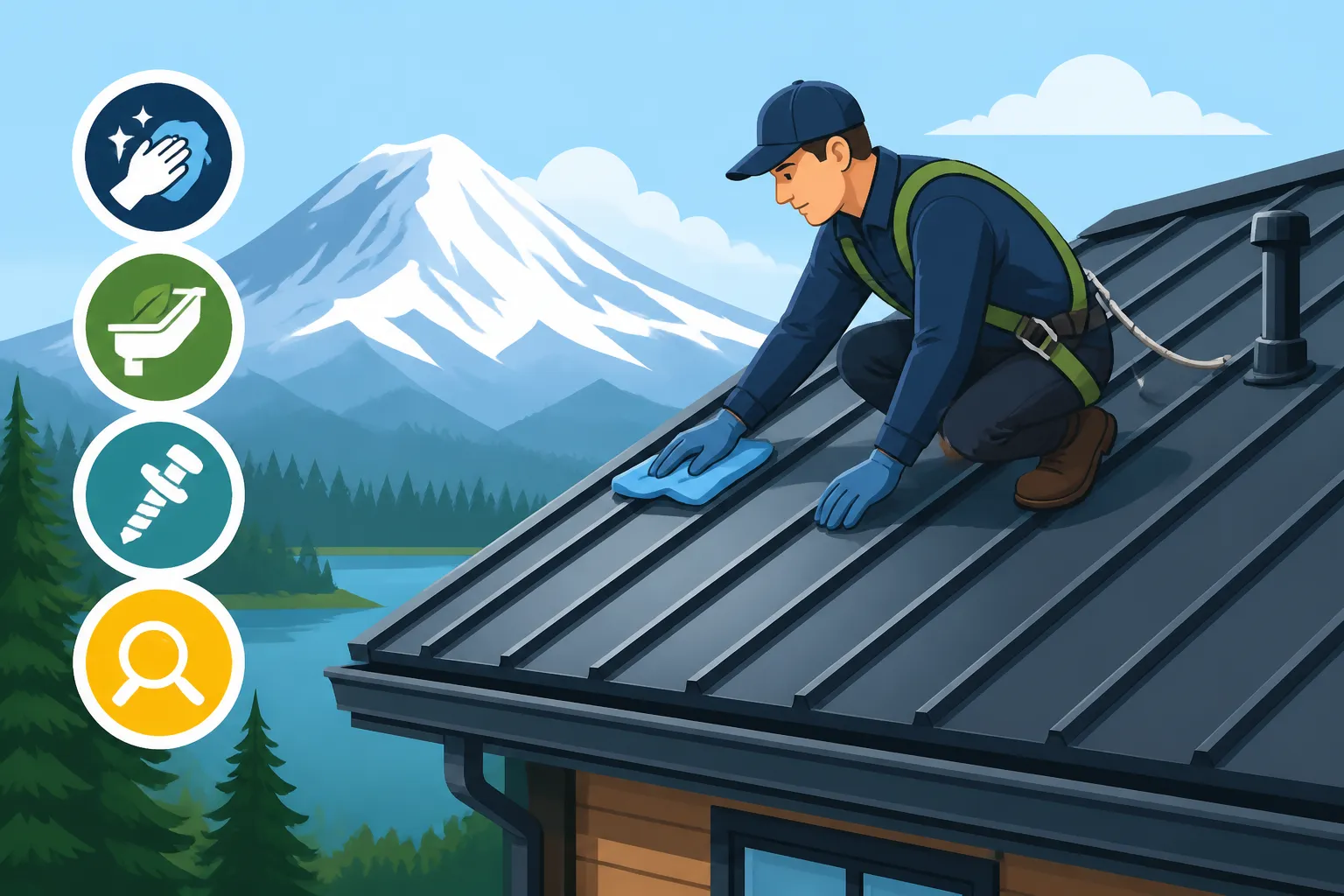
Maintaining your metal roof in Washington isn't about constant, grueling work; it's about smart, consistent effort that addresses the specific challenges of our climate. Establishing a routine will protect your investment and extend its impressive lifespan.
Regular Cleaning and Debris Removal
The Pacific Northwest is beautiful, but all those towering trees are notorious for shedding leaves, pine needles, and branches onto our roofs. This debris, especially when wet, holds moisture against the metal surface, creating a haven for moss and algae. It also obstructs proper water flow, potentially leading to damming and pooling, which can overwhelm seams and fasteners.
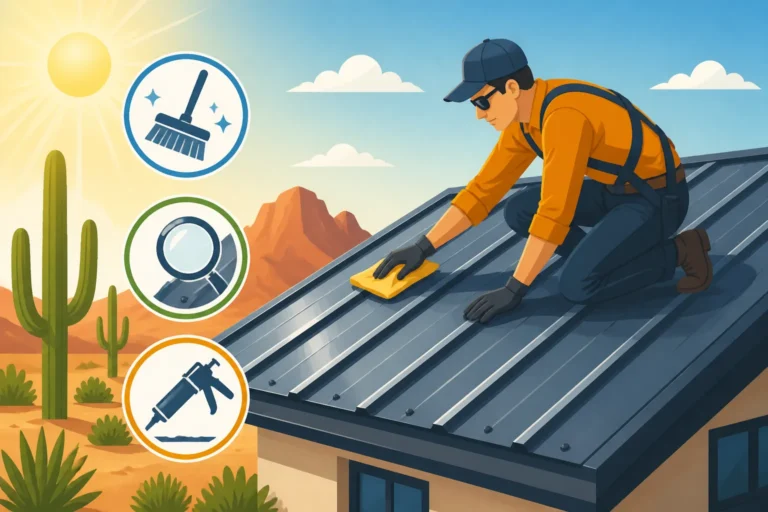
Ideally, you should clear your roof of debris at least twice a year: once in late fall after most leaves have dropped, and again in late spring to remove any winter accumulation and prepare for summer. However, if you live under heavy tree cover, more frequent checks might be necessary. Use a soft-bristled brush or a leaf blower to gently remove loose debris. Avoid harsh metal rakes or wire brushes that can scratch the protective coating. For stubborn dirt or mild staining, a simple rinse with a garden hose can often do the trick. If you need a deeper clean, consider our detailed guide on How to Clean a Metal Roof Safely, which outlines best practices and safe cleaning solutions. Remember, always prioritize safety when working on your roof; if it's too steep or you're uncomfortable, hire a professional.
Inspecting Fasteners, Sealants, and Flashing
These small but critical components are your roof's first line of defense against leaks. Over time, due to thermal expansion and contraction, as well as general wear and tear, fasteners can loosen, rubber washers can crack, and sealants can degrade.
During your biannual (or more frequent) inspections, pay close attention to every exposed fastener. Look for screws that appear to be backing out, showing signs of rust around the head, or have cracked or deteriorated rubber washers. These are common culprits for leaks. Replacing these fasteners is a relatively straightforward task for a skilled homeowner or a contractor, often involving simply removing the old screw, applying a dab of high-quality sealant, and driving in a new, slightly longer screw with a fresh washer.
Equally important are the sealants around roof penetrations like pipes, vents, chimneys, and skylights. Check for any signs of cracking, shrinking, or separation from the roof surface. These areas are highly susceptible to water intrusion in our wet climate. Reapplying a durable, exterior-grade sealant designed for metal roofs can prevent costly leaks down the road. Finally, carefully examine all flashing – the metal strips installed where different roof planes meet, around chimneys, and along walls. Ensure they are securely attached, free of bends or damage, and properly diverting water. Any compromised flashing can lead to significant leaks.
Gutter and Downspout Care
This might seem obvious, but clean gutters are absolutely crucial for a metal roof, especially in Washington. Our heavy rainfall means your gutters work overtime. If they become clogged with leaves, pine needles, and moss, water will back up, overflow, and spill directly onto your home's siding, foundation, and landscaping, potentially causing serious water damage. Even worse, standing water in clogged gutters can freeze in winter, leading to ice dams that can push water under your roof panels and into your home.
Make sure your gutters and downspouts are clear and flowing freely at all times. This often requires cleaning them more frequently than just twice a year, especially if you have mature trees nearby. Consider installing gutter guards, which can significantly reduce the frequency of cleaning, though they still require periodic checks and maintenance. Ensure that downspouts are directing water well away from your home's foundation to prevent erosion and basement flooding. The integrity of your entire roofing system relies on efficient water drainage, making gutter care an integral part of your overall Metal Roof Maintenance Guide.
Addressing Common Washington Metal Roof Issues
Even with regular maintenance, metal roofs can develop specific issues, especially when facing Washington's environmental quirks. Knowing how to identify and address these problems effectively can save you a lot of headache and expense.
Combating Moss and Algae Growth
Moss, algae, and lichen are practically a rite of passage for roofs in many parts of Washington. The consistent dampness and shade create perfect conditions for these growths to thrive. While they might look charmingly rustic, they pose a real threat to your metal roof. They trap moisture, prevent proper drying, and their acidic nature can slowly degrade coatings, eventually leading to rust or discoloration.
Prevention is always better than cure. Trim back overhanging branches to reduce shade and debris accumulation. For existing growth, a gentle cleaning solution specifically designed for roofs (often containing oxygen bleach) can be effective. Always test on an inconspicuous area first to ensure it won't harm your roof's finish. For significant growth, a low-pressure wash can remove it, but absolutely avoid high-pressure washers, which can damage the coating and force water under seams. Some homeowners also find success with zinc strips installed near the ridge, which slowly release zinc carbonate when it rains, creating an environment that inhibits moss growth as the water flows down the roof. If you're dealing with extensive moss, it might be time for professional intervention to ensure proper removal without damaging your roof's warranty.
Preventing and Repairing Leaks
A leaking roof is every homeowner's nightmare, and while metal roofs are highly leak-resistant, they're not infallible. In Washington, persistent rain can expose weaknesses in seams, flashing, and fasteners.
Common leak points on metal roofs include:
- Loose or corroded fasteners: As mentioned earlier, these are prime spots for water entry. Replacing them promptly is key.
- Compromised sealants: Areas around pipes, vents, and chimneys rely heavily on sealants. Regularly inspect and reapply high-quality, flexible, UV-resistant exterior sealant.
- Damaged flashing: Bent, loose, or improperly installed flashing at valleys, eaves, gables, or around roof penetrations can channel water directly into your home.
- Panel damage: While rare, a severe impact (e.g., a falling tree branch) can dent or puncture a panel.
If you discover a leak, identifying its source is paramount. Water often travels, so the spot where you see the drip inside might not be directly above the actual entry point. A thorough inspection of your attic and the roof exterior, especially during or immediately after rain, can help pinpoint the culprit. For minor leaks, patching with a specialized metal roof sealant can offer a temporary or even long-term fix, depending on the severity. However, for significant leaks or widespread issues, it's always best to consult with a professional. Our Metal Roof Leak Repair Guide offers more in-depth advice on diagnosis and solutions.
Coating and Finish Maintenance
The protective coating on your metal roof is what gives it its color, shine, and, most importantly, its resistance to UV rays, corrosion, and weathering. In Washington, with our varying sun exposure, rain, and potential for corrosive salt air in coastal regions, maintaining this finish is crucial. High-quality coatings, like those with Kynar 500 (PVDF) or SMP (Siliconized Modified Polyester) resins, are designed to last for decades, but even they benefit from care.
Over time, you might notice the finish starting to fade, chalk (a powdery residue), or show minor scratches. While normal aging is expected, addressing significant issues can extend the aesthetic and protective life of your roof. For minor scratches, touch-up paint matched to your original roof color can prevent rust. If your roof is extensively faded or chalking after many years, a full recoating might be a viable option, depending on the panel material and existing finish. This involves thorough cleaning, surface preparation, and then applying a new, high-performance elastomeric coating. Recoating can refresh your roof's appearance and add another layer of weather protection, often at a fraction of the cost of a full replacement. To learn more about this process, refer to our article on Repainting and Recoating a Metal Roof.
When to Call in the Professionals
While a lot of metal roof maintenance can be tackled by a diligent homeowner, there are definitely times when bringing in a professional is not just advisable, but essential. Knowing your limits can save you from costly mistakes or, worse, serious injury.
Identifying When DIY Isn't Enough
There are several scenarios where a DIY approach might not be sufficient or safe:
- Steep Pitches or High Roofs: Washington homes often feature varied roof designs. If your roof has a steep pitch or is exceptionally high, safety becomes a major concern. Working on such roofs without proper safety equipment (harnesses, ropes, fall protection) is extremely dangerous. Professionals are trained and equipped for these challenging conditions.
- Extensive Damage or Complex Repairs: If you're dealing with multiple leaks, severely damaged panels, widespread rust, or issues that seem to stem from improper installation, these are often beyond the scope of a typical DIY repair. These complex problems require specialized knowledge, tools, and experience to diagnose and fix correctly. Trying to tackle them yourself could lead to further damage or ineffective repairs.
- Warranty Concerns: Many metal roof warranties require that any repairs or modifications be performed by certified or qualified professionals. Doing work yourself could inadvertently void a valuable warranty. Always check your warranty documentation before attempting significant repairs.
- Time or Skill Constraints: Let's be honest, life in Washington is busy! If you simply don't have the time, the physical ability, or the confidence to perform the necessary maintenance and repairs, it’s always better to delegate. A poorly executed repair can be worse than no repair at all.
- Safety Risks: Beyond steep pitches, factors like slippery moss, wet weather, or working near power lines significantly increase the risk. Professional roofers are accustomed to these conditions and have the expertise to navigate them safely.
Finding a Reputable Washington Metal Roofing Contractor
When you decide it's time to bring in the pros, choosing the right contractor is paramount. In Washington, a good metal roofing contractor will understand our specific climate challenges and have a proven track record of quality work.
Here’s what to look for:
- Local Experience: Look for contractors who have extensive experience specifically with metal roofs in Washington. They’ll be familiar with local building codes, common weather-related issues like moss and high winds, and the best materials and installation techniques for our climate. Ask them about projects they’ve completed in your area.
- Licensing, Bonding, and Insurance: This is non-negotiable. Ensure the contractor is properly licensed by the Washington State Department of Labor & Industries (L&I), bonded, and carries comprehensive liability insurance and workers' compensation. This protects you in case of accidents or damages during the project. You can usually verify their license online through the L&I website.
- Specialization in Metal Roofing: While many roofers work with asphalt shingles, metal roofing requires different skills and tools. Seek out contractors who specialize in metal roofing and can demonstrate deep expertise in various panel types (standing seam, corrugated, stone-coated steel, etc.) and materials.
- References and Reviews: Ask for local references and don't hesitate to call them. Check online reviews on platforms like Google, Yelp, and the Better Business Bureau. Look for consistent positive feedback and how they handle any negative reviews.
- Detailed Estimates and Contracts: Get multiple quotes (at least three) that are detailed and itemized. The quote should clearly outline materials, labor, tear-off (if applicable), waste disposal, and warranty information. A comprehensive contract protects both parties.
- Manufacturer Certifications: Some manufacturers offer certifications to installers who have undergone specific training. A contractor certified by a reputable metal roof manufacturer indicates a higher level of expertise and can sometimes extend your material warranty.
If you’re looking to connect with qualified local contractors, platforms like Modernize can help you find pre-vetted professionals in your area who specialize in metal roofing, making the search a bit easier. Taking the time to vet your contractor properly will ensure your metal roof receives the expert care it deserves and continues to protect your Washington home for decades to come.
Washington Metal Roof Maintenance Checklist
To help you keep track of your metal roof's needs throughout the year, here's a handy checklist tailored for the Washington climate:
| Task | Frequency | Key Things to Look For | Washington Specific Notes |
|---|---|---|---|
| Gutter & Downspout Cleaning | Quarterly | Debris, blockages, proper water flow | Essential due to high rainfall; prevent ice dams in winter. More frequent if near many trees. |
| Debris Removal from Roof Surface | Biannual | Leaves, pine needles, branches, general grime | Especially critical in Fall after leaf drop & Spring after winter accumulation. Prevents moss/algae. |
| Visual Roof Inspection | Biannual | Loose fasteners, damaged panels, rust spots, sealant integrity | Focus on areas under trees for moss; check wind-exposed edges; monitor coastal homes for salt-related corrosion. |
| Fastener & Sealant Check | Annually | Cracked washers, backing out screws, compromised caulking | Thermal expansion/contraction stress, constant wetness degrades seals. Replace as needed. |
| Moss & Algae Treatment | As needed | Green patches, slimy areas, discoloration | Prompt treatment prevents growth from establishing deeply. Use roof-safe, low-pressure methods. |
| Flashing Inspection | Annually | Bends, gaps, secure attachment, signs of water intrusion | Critical areas around chimneys, skylights, valleys due to heavy rain. |
| Drainage System Check | Annually | Proper run-off, no pooling, clear weep holes | Ensure water drains completely from the roof and off property. |
| Coating/Paint Assessment | Every 3-5 years | Fading, chalking, scratches, bare metal spots | Address minor scratches quickly to prevent rust; consider recoating for widespread aesthetic or protective needs. |
Remember, consistency is key! By following this checklist, you'll ensure your metal roof remains a durable and attractive asset to your Washington home.
Disclaimer
The information provided in this guide is intended for general informational purposes only and does not constitute professional advice. While we strive to offer accurate and up-to-date information, local building codes, regulations, and best practices can vary. Always consult with a qualified and licensed metal roofing professional for specific advice tailored to your property and circumstances. Working on roofs can be dangerous; prioritize safety and consider hiring professionals for tasks that are beyond your comfort or skill level.