How to Maintain a Metal Roof in Arizona
Living in Arizona, you understand that your home faces some truly extreme conditions – from the relentless summer sun beating down for months on end to the sudden, powerful monsoon storms that can dump inches of rain in minutes. These harsh environmental factors can take a serious toll on any part of your house, and your metal roof is no exception. This guide is designed to walk you through the specific challenges and proactive steps necessary to maintain your metal roof in Arizona, ensuring it stays durable, beautiful, and leak-free for decades to come.
Understanding Arizona's Unique Climate Challenges for Metal Roofs
Arizona's climate is a double-edged sword: beautiful sunny days but incredibly harsh on building materials. For metal roofs, these unique conditions demand a specialized approach to maintenance. Ignoring these factors can dramatically shorten your roof's lifespan and lead to costly repairs down the line.
Intense UV Radiation and Heat
The Arizona sun isn't just bright; it's intense. We're talking about some of the highest UV indexes in the country for a good portion of the year, coupled with ambient temperatures that regularly climb into the triple digits. This relentless exposure impacts your metal roof in several critical ways.
First, the extreme UV radiation is a constant assault on the roof's protective coatings. These factory-applied coatings, often made with advanced polymers like Kynar 500 or SMP, are designed to reflect UV rays and resist fading, chalking, and corrosion. However, even the toughest coatings will slowly degrade under Arizona's intense solar exposure. You might start to notice your roof's vibrant color looking a little duller, or a fine, powdery residue appearing when you wipe a panel – that's chalking, a sign the coating is breaking down. This isn't just an aesthetic issue; a compromised coating loses its protective capabilities, leaving the underlying metal vulnerable.
Second, the sheer heat causes significant thermal expansion and contraction. Imagine your roof panels expanding all day as temperatures soar, and then shrinking back as the desert night brings cooler air. This constant movement puts enormous stress on every component: the panels themselves, the fasteners holding them down, and especially any sealants or caulking used around flashing, vents, or seams. Over time, this thermal cycling can cause fasteners to loosen, seals to crack, and even lead to issues like "oil canning" – a visible distortion of flat metal panels – although this is mostly an aesthetic concern. Understanding this dynamic is key to proactive maintenance, focusing on areas where movement stress is highest.
Dust, Sand, and Monsoon Season Impact
Beyond the sun, Arizona's dry, often windy environment means a constant barrage of dust and sand. While metal roofs are incredibly durable, these airborne particles can act like fine sandpaper, slowly abrading the surface of your roof's coating over years. This is usually a gradual process, but it contributes to the overall wear and tear on your roof's protective layer, making it more susceptible to other forms of damage.
Then there's the monsoon season, a dramatic shift from dry heat to sudden, torrential downpours. These storms bring heavy rains, often accompanied by strong winds and even hail. While a properly installed metal roof is excellent at shedding water, the sheer volume and force of monsoon rain can expose any weak points. Debris like leaves, twigs, and even small branches, kicked up by high winds, can accumulate in valleys, around chimneys, or in gutters, creating dams that prevent proper water flow. This pooling water can stress seams, back up under flashing, and even lead to leaks if not cleared promptly. Moreover, the sudden cooling effect of heavy rain on a super-heated metal roof can exacerbate the thermal shock, further challenging the integrity of sealants and fasteners. This unique cycle of dry abrasion and intense wet weather makes a consistent maintenance schedule critical.
Low Humidity and Dry Conditions
Unlike coastal or humid regions, Arizona’s consistently low humidity levels might seem beneficial for metal roofs, as it significantly reduces the risk of mold, mildew, and widespread corrosion. However, it presents its own set of considerations. While the lack of moisture helps prevent general rust formation, localized issues can still arise where water does collect, such as poorly sloped areas or where debris creates standing puddles.
Furthermore, the prolonged dry conditions can impact the longevity of certain components like rubber washers on exposed fasteners or specific sealant types. Without ambient moisture, these materials can become brittle and crack more quickly, losing their effectiveness in sealing out water. This is why paying close attention to these smaller, often overlooked components during your inspections is so important. A crack in a rubber washer, for instance, is a direct pathway for water to get under your panel, even in the driest environment. This makes selecting high-quality, UV-resistant sealants and fasteners designed for extreme conditions even more crucial during installation and any subsequent repairs. If you're looking into replacing your current roof or considering a new installation, understanding these material choices can make a significant difference in the long-term performance and the overall Metal Roof Lifespan: How Long Do They Last? of your investment.
Essential Regular Maintenance Practices for Arizona Metal Roofs
Given the unique environmental stressors in Arizona, regular and proactive maintenance isn't just a suggestion – it's an absolute necessity. A consistent routine will protect your investment, extend your roof's life, and save you from more significant repair costs down the road.
Routine Cleaning and Debris Removal
After a long, dry period, especially during the spring windstorms and post-monsoon season, your roof can accumulate a surprising amount of dust, sand, and organic debris like leaves and small branches. This isn't just unsightly; it can be detrimental. Dust and sand, as mentioned, can be abrasive, but organic debris, when wet, can hold moisture against the metal surface. Even in Arizona's dry climate, trapped moisture is the primary culprit for localized corrosion and can promote algae or lichen growth in shaded areas or where standing water persists.
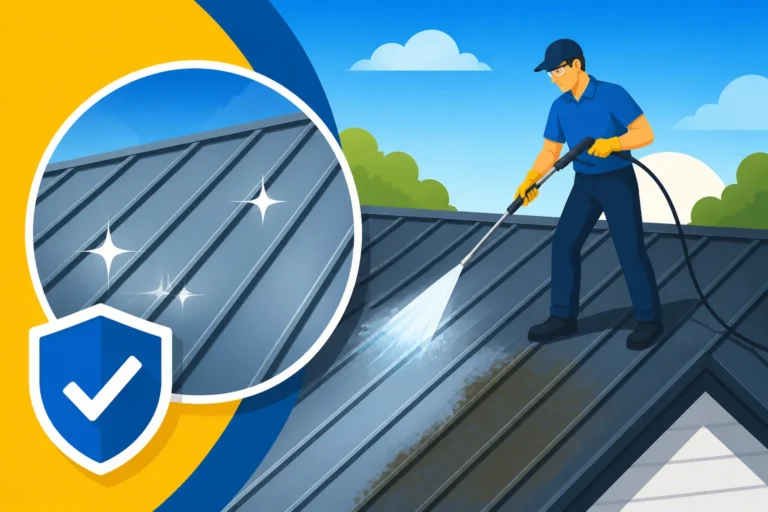
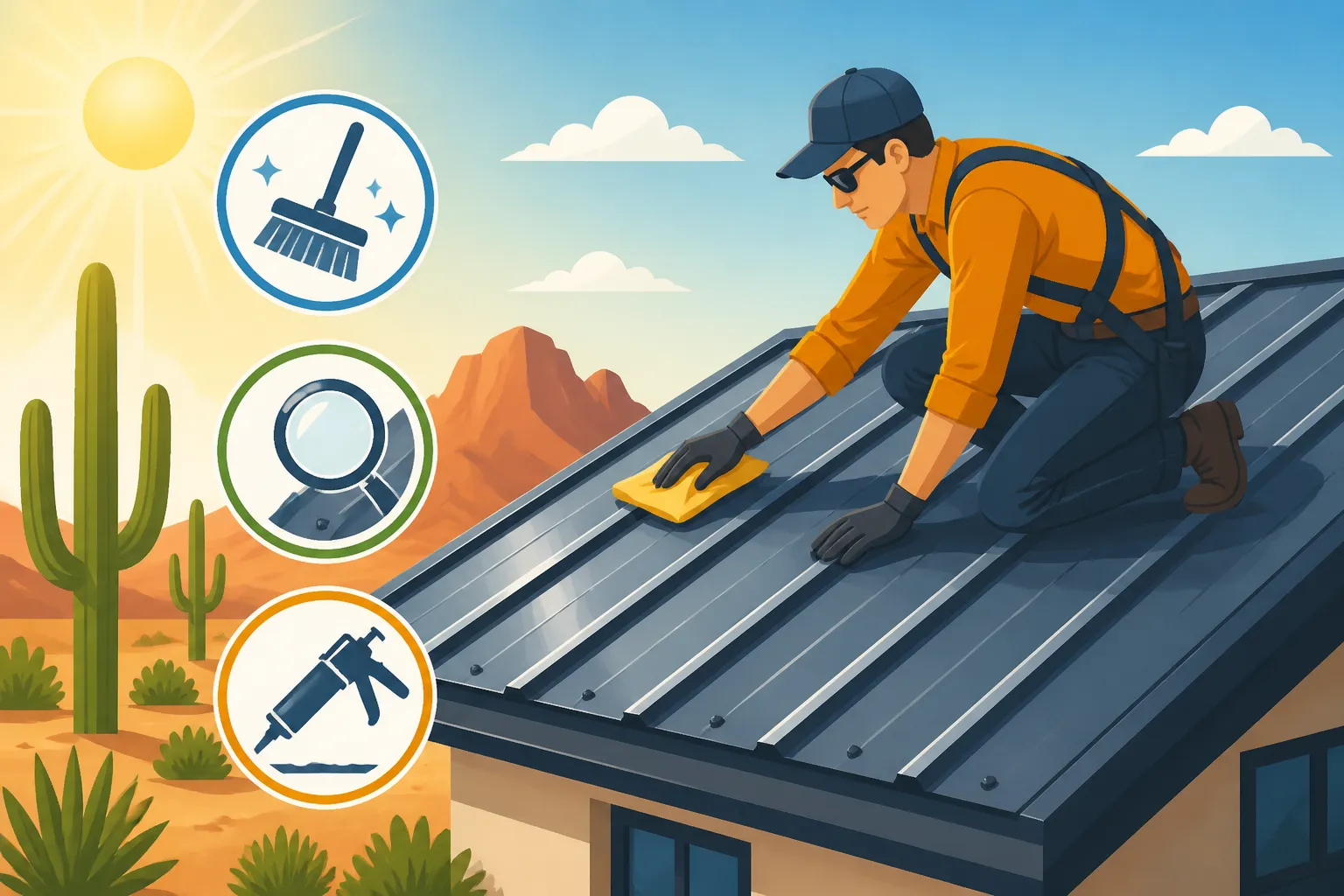
For cleaning, a simple garden hose with good pressure is often sufficient for rinsing off loose dust and dirt. For more stubborn grime or a build-up after a particularly dusty period, a mild, non-abrasive detergent can be used, followed by a thorough rinse. Always work from the ridge down to the eaves to ensure debris is washed away effectively. Avoid using high-pressure washers directly on the panels, especially near seams or fasteners, as this can potentially force water underneath panels or damage coatings. A soft-bristled brush can help with tougher spots, but always use gentle scrubbing motions. Remember that safety is paramount when working on a roof, so ensure you have proper fall protection and non-slip footwear, especially if the roof is wet. If you're not comfortable on ladders or roofs, consider hiring a professional.
Fastener and Sealant Inspection
This is arguably one of the most critical aspects of metal roof maintenance in Arizona. The constant thermal expansion and contraction cycles put tremendous stress on every single point where your roof is penetrated or sealed. Exposed fastener systems, common on many metal roofs, have screws with rubber washers designed to create a watertight seal. Over time, the intense UV radiation and temperature fluctuations can cause these rubber washers to degrade, dry out, crack, or even completely disintegrate. When this happens, water can easily seep through the screw penetrations, leading to leaks, especially during those heavy monsoon downpours.
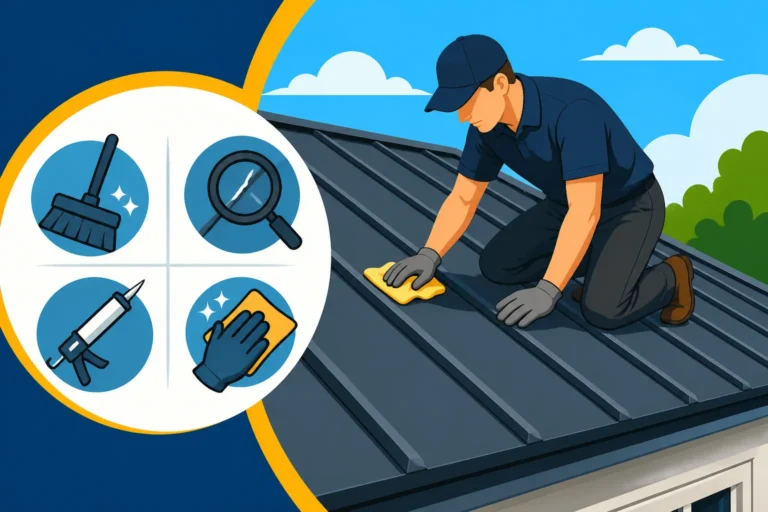
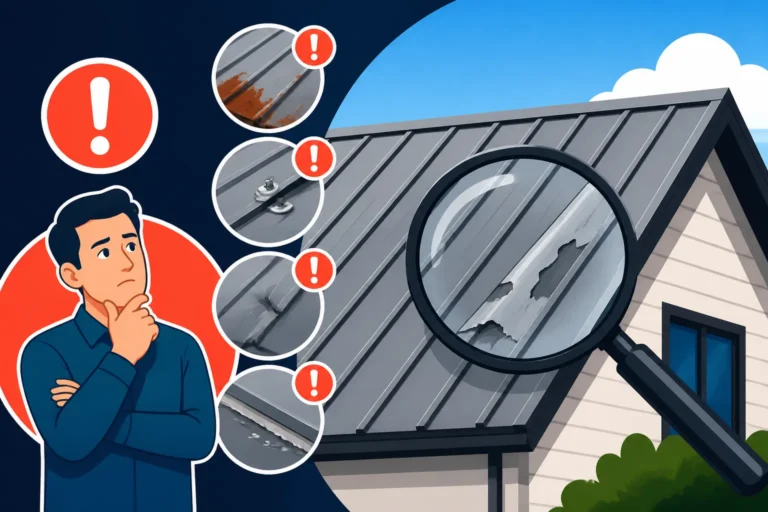
During your inspection, ideally twice a year (before summer and after monsoon season), carefully examine all exposed fasteners. Look for signs of corrosion on the screws themselves, cracks or shrinkage in the rubber washers, or any fasteners that appear to have backed out slightly. For hidden fastener systems, like standing seam roofs, the focus shifts to the seams themselves and any flashing details around penetrations like pipes, vents, or chimneys. Check all sealant lines for cracking, peeling, or separation from the metal surface. These are prime areas for water intrusion. Any compromised fasteners should be replaced with new, high-quality, UV-resistant screws and washers. For failing sealants, the old material should be carefully removed, and a fresh bead of appropriate, high-grade sealant applied. Early detection here can prevent a minor issue from becoming a major Metal Roof Leak Repair Guide. For complex repairs or if you're unsure about the right materials, it's always best to consult with a roofing professional.
Gutter and Downspout Clearing
It might seem obvious, but clean gutters and downspouts are absolutely essential for any roof, and particularly for metal roofs in Arizona. While you might not have the same volume of falling leaves as in a heavily wooded area, Arizona's dust, small pebbles, and debris from windstorms, combined with the occasional leaf or twig, can quickly accumulate. This buildup often goes unnoticed until the monsoon rains hit.
When gutters are clogged, water can't drain properly. Instead, it backs up and sits in the gutter system, potentially overflowing directly onto your home's siding or foundations, or, worse, backing up under the eaves and fascia, creating potential leak paths into your attic or walls. This is especially problematic during intense Arizona monsoons, where a clogged gutter can quickly become a dam, holding a significant amount of water. Furthermore, standing water in gutters can promote rust on the metal gutters themselves, or if it overflows onto the roof edge, can lead to localized corrosion on your roof panels. Regular cleaning, ideally before and after monsoon season, ensures that your roof's drainage system can handle whatever Mother Nature throws at it, directing water safely away from your home. This simple task is a powerful preventative measure against water damage.
Protecting Your Metal Roof's Coatings and Aesthetics
The aesthetic appeal of a metal roof, with its crisp lines and vibrant colors, is a major draw. In Arizona, however, maintaining that appeal requires an understanding of how the harsh climate interacts with modern roof coatings. Protecting these coatings is key to both the look and the long-term performance of your roof.
The Role of High-Performance Coatings
The color and finish you admire on your metal roof aren't just for show; they're a critical line of defense against Arizona's extreme elements. Modern metal roofing panels come with advanced, multi-layer paint systems specifically engineered for durability. The top coat, often a PVDF (Polyvinylidene Fluoride) resin system (commonly known by brand names like Kynar 500 or Hylar 5000) or an SMP (Silicone Modified Polyester) system, is designed to withstand the most aggressive environmental attacks.
In Arizona, a high-performance coating is indispensable for several reasons. Firstly, it offers superior resistance to UV radiation, which is the primary cause of color fading and chalking. These coatings contain special pigments and resins that deflect and resist UV breakdown, keeping your roof's color vibrant for much longer than lesser quality paints. Secondly, these coatings provide an excellent barrier against corrosion. While the underlying metal (like Galvalume steel or aluminum) is inherently resistant to rust, the coating adds an extra layer of protection, especially important if the base metal is scratched or compromised. Thirdly, the smooth, hard surface of these coatings resists dirt accumulation and allows for easier cleaning, which is a huge benefit given Arizona's dusty conditions. When considering a new roof or an upgrade, always inquire about the coating type and its specific warranty for fading and chalking – it's a direct indicator of its suitability for our intense climate.
Addressing Fading, Chalking, and Discoloration
Despite the incredible advancements in roof coatings, the Arizona sun will eventually win a gradual battle against even the best systems. Fading and chalking are natural processes of paint degradation. Fading refers to the loss of original color intensity, while chalking is the appearance of a fine, powdery residue on the surface, which happens as the paint resin breaks down and exposes the pigment. Discoloration might also occur due to environmental factors like mineral deposits from standing water or pollution.
If you start noticing significant fading or chalking, it's important to understand your options. Minor chalking can sometimes be washed away, but if it's persistent, it indicates a more widespread degradation of the coating. For aesthetic reasons, or to extend the protective life of your roof, you might consider repainting or recoating. Repainting a Metal Roof is a specialized process that involves thorough cleaning, potentially light sanding to ensure adhesion, and then applying a high-quality acrylic or elastomeric coating specifically designed for metal roofs. This isn't a DIY job for most homeowners, as proper surface preparation and application are crucial for longevity. A professional recoating can restore your roof's appearance and provide renewed protection, often at a fraction of the cost of full roof replacement. However, it's important to weigh the cost against the remaining lifespan of your roof panels and consider if a professional application of a new coating system is truly worth the investment for your specific situation.
Preventing Rust and Corrosion in Dry Climates
You might think that in a dry desert climate like Arizona, rust and corrosion wouldn't be a major concern for metal roofs. And for the most part, you'd be right – widespread rust across entire panels is rare on modern, coated metal roofs in this region. However, localized corrosion can absolutely still occur and demands attention. The most common culprits are areas where moisture is allowed to persist, even briefly.
Think about places where water might pool after a monsoon, such as in valleys that haven't been properly cleared of debris, around poorly sealed pipe penetrations, or where incompatible metals have been used together (galvanic corrosion). Even a small, persistent puddle of water, evaporating slowly in the sun, can leave behind mineral deposits that can break down coatings and initiate surface rust on exposed steel or Galvalume. Scratches or abrasions in the paint finish, perhaps from falling branches or improper installation, also expose the underlying metal, making it vulnerable. To prevent this, regularly inspect your roof for any areas of standing water or debris buildup, especially in low-slope sections or near flashing. Address any scratches or exposed metal with appropriate touch-up paint specifically designed for metal roofing to prevent rust from taking hold. For any existing rust spots, prompt Metal Roof Rust and Corrosion Treatment is essential, often involving cleaning, rust conversion products, and then repainting. Proactive measures here can prevent small, localized rust from spreading and compromising the integrity of your entire roof.
Long-Term Strategies and Professional Insights
Maintaining a metal roof in Arizona is a long-term commitment that benefits greatly from foresight and professional expertise. While regular DIY cleaning and inspections are crucial, knowing when to call in the pros and understanding the bigger picture will ensure your roof performs optimally for its full intended lifespan.
Professional Inspections and Preventative Maintenance
Even the most diligent homeowner can miss subtle signs of wear and tear or developing issues that require a trained eye. That's where professional inspections come in. While you should certainly be doing your own routine checks, scheduling a professional Metal Roof Inspection: What to Check every few years – or annually if your roof is older or has recently weathered severe storms – is a wise investment.
A qualified metal roofing contractor understands the specific failure points unique to our Arizona climate, such as thermal cycling stress on fasteners, UV degradation of sealants, and the particular ways dust and monsoon rains can compromise a roof. They have the experience to spot issues like early signs of coating failure, subtle panel damage, or flashing problems that might not be visible from the ground or to an untrained eye. A professional inspection often includes checking the integrity of all seams, fasteners, flashing, and penetrations, assessing the condition of the coating, and identifying potential ventilation issues in the attic space that could affect the roof from underneath. These preventative check-ups can catch small problems, like a few failing screws or a crack in the sealant, before they escalate into major leaks or require extensive, costly repairs. Companies like Modernize can help you connect with local, vetted professionals who specialize in metal roofing in Arizona, ensuring you get expert advice and service tailored to our regional conditions.
Smart Upgrades and Replacements
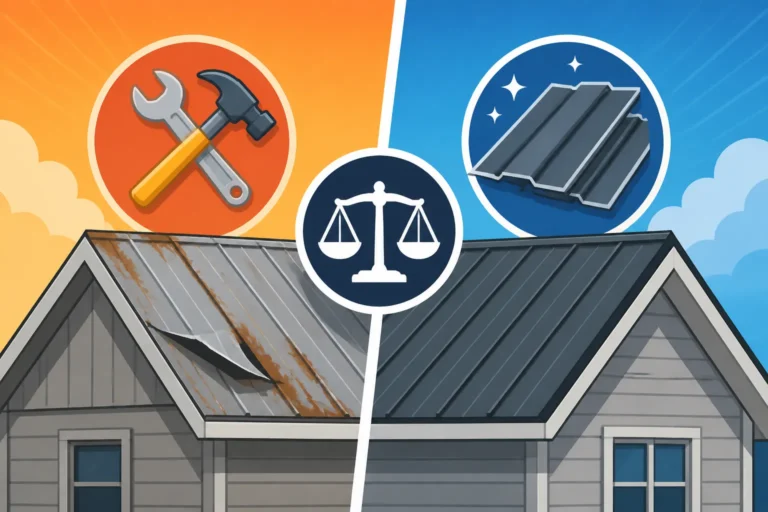
No roof lasts forever, not even a metal one. While metal roofs are known for their exceptional durability and longevity, there comes a point where repairs become less cost-effective than investing in a new system. Knowing when to transition from repair to replacement is a crucial long-term strategy. This decision often hinges on the age of your roof, the extent of damage, and the overall condition of the panels and underlying structure.
If your roof is nearing the end of its projected lifespan (typically 40-70 years for most metal roofs, depending on material and quality), or if you're facing widespread issues like extensive coating failure, multiple leaks, or structural damage, a full replacement might be the most economical choice in the long run. A new roof allows you to take advantage of the latest advancements in metal roofing technology, including improved coatings with better UV resistance for Arizona's sun, more robust panel designs, and enhanced installation techniques. It's also an opportunity to re-evaluate the type of metal roof you have – perhaps upgrading from an exposed fastener system to a Standing Seam Metal Roof Cost for superior long-term performance and aesthetics. Consider the ROI as well; a new, high-quality metal roof can significantly increase your home's value and energy efficiency. Consulting with a few reputable contractors will give you a clear picture of your options, including a detailed Metal Roof Cost Calculator: How to Estimate for a new installation versus the ongoing costs of patching up an aging system.
Understanding Warranties and Insurance
Your metal roof is a significant investment, and understanding its warranties and how it interacts with your home insurance policy is a vital long-term strategy for peace of mind. Most metal roofs come with two main types of warranties: a manufacturer's warranty covering the materials (like the panels and their coatings) and a contractor's warranty covering the installation workmanship.
In Arizona, pay close attention to the specifics of the manufacturer's coating warranty, particularly regarding fading and chalking, as these are common issues due to intense UV exposure. Understand what constitutes a "defect" and what level of degradation is covered. For instance, a small amount of chalking might be considered normal wear, while extensive, uneven fading could be a covered defect. Make sure to keep all warranty documentation in a safe place. Regarding insurance, metal roofs are often considered more resilient to storm damage (wind, hail) and fire than traditional asphalt shingles, which can sometimes lead to Metal Roof Insurance Savings & Discounts. However, it's crucial to understand your specific policy. Some policies, especially in hail-prone areas, may include a "cosmetic damage exclusion" for metal roofs, meaning the insurer won't cover repairs for dents or dings that don't compromise the roof's functional integrity. Review your policy with your insurance agent to clarify coverage for various types of damage that can occur in Arizona, particularly from monsoon season. Always ensure your contractor is licensed and insured, as this directly impacts the validity of your workmanship warranty and helps protect you in case of any issues during or after installation.
Here's a quick look at common maintenance tasks for metal roofs in Arizona:
| Task | Frequency | Key Considerations for Arizona |
|---|---|---|
| Visual Inspection | Bi-annually | Look for chalking/fading, loose fasteners, cracked sealants, debris buildup, particularly post-monsoon and pre-summer. |
| Debris & Dust Removal | Annually/As Needed | Especially after strong winds and monsoon storms. Rinse with a garden hose; use mild detergent for stubborn grime. |
| Gutter & Downspout Cleaning | Bi-annually | Crucial before monsoon season to prevent clogs and water overflow, which can lead to leaks or foundation issues. |
| Fastener & Sealant Check | Bi-annually | Inspect for cracked rubber washers, loose screws, or dried/cracked caulk due to thermal expansion/UV exposure. Replace as needed. |
| Minor Scratch/Abrasion Repair | As Needed | Promptly touch up exposed metal with approved paint to prevent localized rust, even in dry climates. |
| Professional Roof Inspection | Every 2-5 Years | Recommended to catch subtle issues, assess coating health, and ensure overall system integrity. |
| Tree Trimming | As Needed | Keep branches away from the roof to prevent scratching, debris buildup, and potential storm damage. |
Disclaimer
Please note that this guide provides general information on metal roof maintenance in Arizona. Specific recommendations may vary depending on your particular roof type, material, age, and local conditions. Always prioritize safety when working on your roof, or consult with a qualified and licensed metal roofing professional for inspections, maintenance, and repairs. Local building codes and HOA regulations may also apply.