How to Stop an Ice Dam on a Metal Roof
That sinking feeling when you spot a massive ridge of ice creeping up from your gutters, trapping melting snow and pushing water under your beautiful metal roof panels, is something no homeowner wants to experience. Ice dams aren't just an unsightly winter nuisance; they can cause serious, costly damage to your roof decking, insulation, ceilings, and even interior walls. This guide is here to walk you through the precise steps to understand, tackle, and most importantly, prevent these icy invaders from wreaking havoc on your metal roofing system.
Understanding the Enemy: What Exactly Are Ice Dams?
Before we dive into solving the problem, it’s crucial to understand what an ice dam really is and why it forms. It’s not just random ice accumulation; there’s a specific chain of events that leads to this destructive phenomenon, and while metal roofs are incredibly durable, they're not entirely immune.
The Science Behind Ice Dam Formation
Think of your roof as a delicate balance of temperature. An ice dam forms when there's an inconsistent temperature across your roof surface. Here's how it typically plays out:
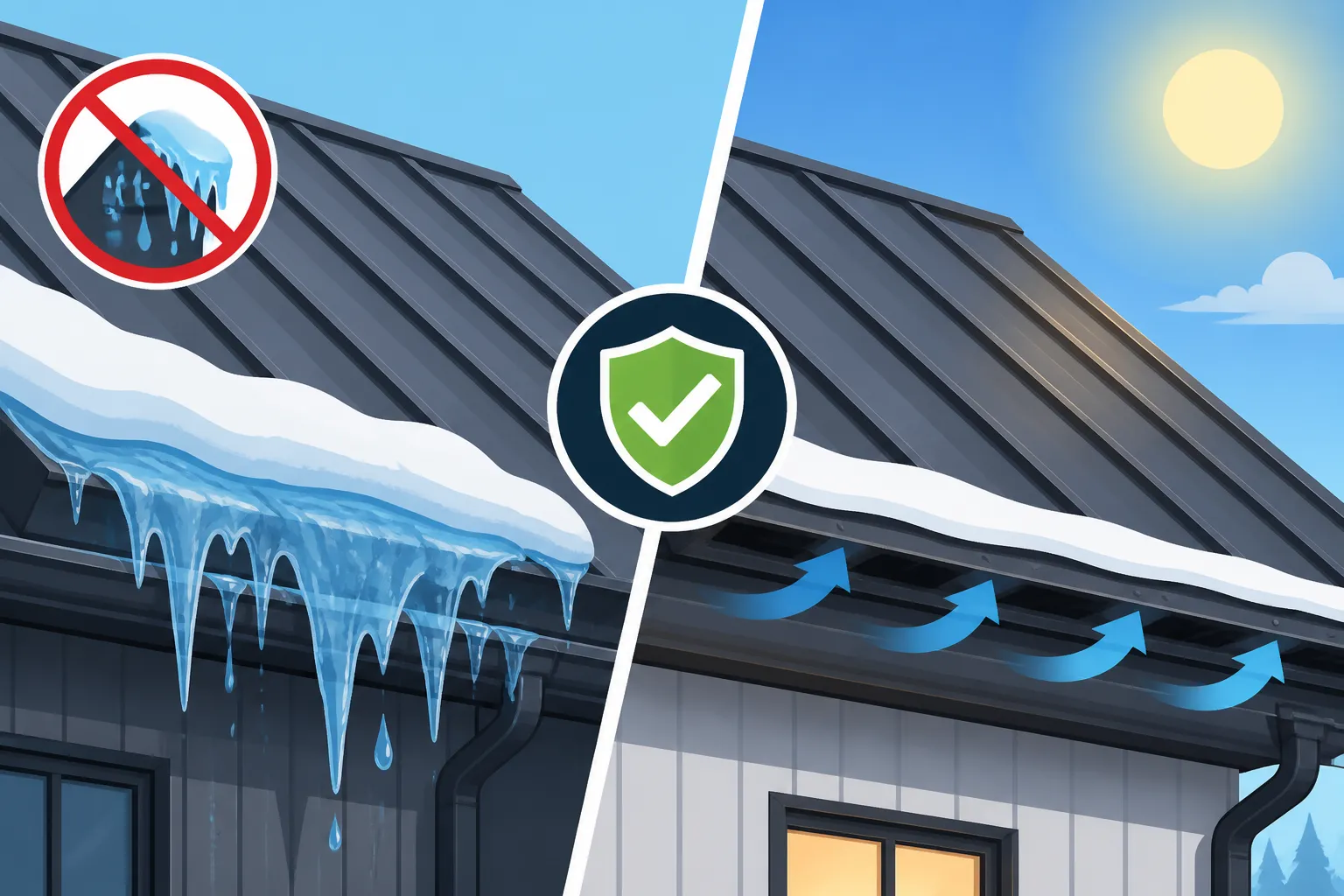
Snow falls and accumulates on your roof. This isn't inherently bad. The problem starts when heat from inside your house escapes into your attic and warms the roof deck, causing the snow on the upper parts of the roof to melt. This meltwater then trickles down the roof slope, beneath the untouched, colder snow. As it reaches the eaves – the parts of your roof that extend beyond the exterior walls, which are usually colder because they're not directly heated by the attic space – the water refreezes.
This refreezing creates a barrier of ice, often at or just above your gutters. More meltwater comes down, hits this icy barrier, and has nowhere to go but to back up. This accumulating water then refreezes, adding to the dam, and crucially, it can get trapped under your metal roof panels. Once water gets under the panels, it can penetrate the underlayment, soak into the roof deck, insulation, and eventually find its way into your living space, causing significant water damage, mold, and rot.
Why Metal Roofs Aren't Immune to Ice Dams
It's a common misconception that metal roofs, with their slick surfaces, simply shed snow and therefore don't get ice dams. While it's true that metal roofs can shed snow more readily than, say, asphalt shingles, they are absolutely not immune. In fact, their excellent thermal conductivity can sometimes exacerbate the issue if proper ventilation and insulation aren't in place.
Here's why:
Firstly, the reflective and often darker colors of many metal roofs can absorb solar radiation, even on cold, sunny days. This can cause the top layer of snow to melt, even if the roof deck below is still cold, leading to runoff that can then refreeze at the colder eaves. Secondly, the fundamental cause of ice dams is heat loss from the house into the attic, warming portions of the roof. If your attic is poorly insulated or ventilated, that escaping heat will warm the metal panels, causing snow to melt on the warmer parts of the roof, regardless of the material. The meltwater will still flow to the colder eaves and refreeze, forming an ice dam. The critical factor isn't just the roofing material itself, but the overall thermal envelope of your home and roof system.
Immediate Fixes for Existing Ice Dams
If you're already staring down an ice dam, immediate action is crucial to prevent further damage. While some methods can be tackled as a homeowner, others absolutely require professional expertise due to safety risks and potential for roof damage.
Gentle Removal Methods
Your primary goal for immediate relief is to create channels for the trapped water to escape. This doesn't necessarily mean removing the entire ice dam, but rather mitigating its destructive potential.
One effective DIY method, if done carefully, is to fill old pantyhose or fabric tubes with calcium chloride ice melt. Lay these tubes horizontally across the ice dam, creating small channels that allow the meltwater to drain through the dam and off the roof. This method is slow but gentle, minimizing the risk of damage to your metal panels or gutters. Avoid using rock salt (sodium chloride) directly on your roof or gutters, as it can be corrosive to some metal types, especially aluminum, and can damage landscaping below.
Another gentle approach involves carefully using a steamer or hot water pressure washer (on a very low setting, from the ground or a secure ladder) to cut channels through the ice. The key here is cutting channels, not trying to blast the entire dam away. Aggressive chipping or prying with tools can easily scratch, dent, or puncture your metal roof panels, leading to future leaks and costly repairs. Always prioritize safety, using a stable ladder and having someone spot you. Never use an axe or chisel, as this is a sure way to damage your roof.
Chemical De-Icers: Use with Caution
Chemical de-icers can offer a quicker solution than passive methods, but they come with caveats. As mentioned, steer clear of sodium chloride. Look for products containing calcium chloride or magnesium chloride. These are generally less corrosive to metals and less harmful to plants than rock salt, but still should be used sparingly.
When applying chemical de-icers, always follow the manufacturer's instructions to the letter. Don't just dump a pile of granules onto the ice dam. Instead, use them strategically to create drainage channels. Apply them carefully to avoid excessive runoff onto sensitive landscaping or direct contact with your skin. While these can provide temporary relief, they don't address the root cause and are not a long-term solution. Think of them as a Band-Aid to get you through an immediate crisis.
When to Call in the Professionals
There are many scenarios where tackling an ice dam yourself is simply too risky or beyond your skill level. If the ice dam is large, extends far up your roof, or if you have a multi-story home, it's time to call in a professional roofing contractor. They have the right equipment, training, and insurance to safely remove ice dams without damaging your roof or injuring themselves.
Professional ice dam removal often involves specialized steam equipment that melts channels through the ice quickly and safely, without the use of harsh chemicals or blunt force. This method is highly effective and minimizes the risk of damaging your metal roof's finish or structural integrity. When searching for a professional, look for companies that specifically advertise ice dam removal services, not just general roofing. Asking for recommendations or using a service like Modernize can connect you with qualified local contractors who understand the nuances of dealing with metal roofs in icy conditions. This ensures that the job is done right and safely, protecting your investment.
Long-Term Prevention Strategies
Dealing with an existing ice dam is reactive; the real game-changer is implementing proactive measures to prevent them from forming in the first place. This involves a multi-pronged approach focusing on heat management in your attic space.
Addressing Attic Ventilation
Proper attic ventilation is arguably the most critical component in preventing ice dams. The goal is to keep your attic space as close to the outdoor temperature as possible, preventing warm air from accumulating and heating the roof deck.
A balanced ventilation system typically involves a combination of intake vents (like soffit or continuous edge vents) and exhaust vents (such as ridge vents, gable vents, or roof vents). Intake vents allow cooler outside air into the attic, while exhaust vents allow warmer, moist air to escape. This creates a continuous airflow that sweeps heat out of the attic, maintaining a consistent, cold temperature across the entire roof surface. Without adequate airflow, warm air gets trapped, leading to uneven roof temperatures and the melting/refreezing cycle that creates ice dams. Ensure that your soffit vents aren't blocked by insulation or debris, and that your ridge vent, if you have one, isn't obstructed by snow. This continuous movement of air is essential to prevent heat buildup. You can learn more about this by reading our guide on Metal Roof Ridge Vent and Ventilation Explained.
Enhancing Attic Insulation
Insulation and ventilation work hand-in-hand. Even the best ventilation system will struggle if your attic is poorly insulated. The primary purpose of attic insulation is to create a thermal barrier, preventing heat from your living space from migrating into the attic.
If your attic insulation is insufficient, heat from your home will easily rise and warm the underside of your roof deck. This is the direct cause of the snow melting on the upper roof sections. Check your attic for proper insulation levels; in many regions, especially those with cold winters, building codes recommend a significant depth of insulation (often R-38 to R-60, depending on your climate zone). Common insulation types include fiberglass batts, blown-in cellulose, or spray foam. A well-insulated attic ensures that the heat stays where it belongs – inside your home – and doesn't contribute to melting snow on your roof. This reduces the temperature differential between the main roof and the colder eaves, a key factor in ice dam formation. For more details on what goes under your metal roof, consider reading What Goes Under a Metal Roof? Layers Explained.
Sealing Air Leaks
Beyond bulk insulation, sealing air leaks is a crucial, yet often overlooked, step. Even with adequate insulation, warm air can bypass it through small gaps and cracks, directly heating the roof deck.
Common culprits for air leaks include gaps around recessed light fixtures, bathroom exhaust fans, plumbing stacks, electrical wiring penetrations, attic hatches, and gaps where interior walls meet the attic floor. Think of your attic as a leaky bucket; even if the bucket is mostly full (well-insulated), small holes will still let water (heat) escape. Use caulk, expanding foam sealant, or weatherstripping to meticulously seal these penetrations. A professional energy audit can help identify major air leakage points in your home. Sealing these leaks not only prevents ice dams but also improves your home's overall energy efficiency, saving you money on heating bills. It's a win-win situation.
Installing Heat Cables or Panels
For stubborn areas prone to ice dams, even after optimizing insulation and ventilation, or for homes with complex rooflines, heat cables (also known as roof de-icing cables) or heat panels can be an effective preventative measure.
Heat cables are typically zigzagged along the eaves, gutters, and downspouts, melting a channel through any forming ice dams to allow water to drain away. They are usually thermostatically controlled, turning on only when temperatures drop and moisture is present, to conserve energy. Heat panels, such as those made by brands like Edge Melt Systems or HotEdge, are more robust, typically installed under the roof edge, melting snow and ice from the bottom up. While an upfront investment and requiring electricity to operate, these systems offer a reliable defense against ice dams, especially in regions with heavy snowfall and consistent freezing temperatures. They provide an active solution where passive methods might still struggle. If you’re considering this route, ensure they are installed by a qualified electrician to prevent electrical hazards and ensure proper function.
Proper Gutter Maintenance
While not a direct cause of ice dams, clogged gutters can significantly worsen the problem by obstructing proper drainage.
Gutters and downspouts are designed to carry meltwater away from your home. If they are packed with leaves, pine needles, or other debris, they can’t do their job. When meltwater encounters a clogged gutter, it pools, and if temperatures drop, it freezes. This frozen water can then serve as the initial anchor for an ice dam, or it can exacerbate an existing one, causing the dam to grow even larger. Regularly cleaning your gutters, especially in late fall after leaves have dropped, is essential. Consider installing gutter guards to minimize debris buildup, though even with guards, occasional cleaning may still be necessary. Ensure downspouts are clear and angled away from your home’s foundation. This simple maintenance step is part of a holistic approach to Metal Roof Maintenance Guide and can significantly help prevent water from backing up.
Strategic Snow Removal
Sometimes, the simplest solution is the most direct: removing the snow from your roof before it has a chance to melt and refreeze.
Using a long-handled roof rake, you can safely remove the snow from the first few feet of your roof, especially over the eaves. This is the area most susceptible to ice dam formation. By removing this snow, you eliminate the material that would melt and refreeze into a dam. While it might seem like a chore, strategic snow removal can be incredibly effective, particularly after heavy snowfalls. Always work from the ground using an extendable rake to avoid climbing onto a slick, snowy roof, which is extremely dangerous. Be careful not to scrape the rake directly against your metal roof panels, as this can damage the finish. Leave a thin layer of snow to protect the surface. This proactive step, along with addressing ventilation and insulation, is a powerful way to mitigate risk. For larger or steeper roofs, consider hiring a professional service, similar to how you might engage a company found via Modernize for other home improvement needs. You can also explore options like How to Install Snow Guards on a Metal Roof to manage snow slide more safely.
Common Misconceptions and Best Practices
When it comes to ice dams, there's a lot of misinformation out there. Knowing what not to do is just as important as knowing what to do.
DIY Dangers and What to Avoid
While some homeowners are tempted to take matters into their own hands with extreme measures, certain DIY approaches can be incredibly dangerous or cause severe damage to your metal roof.
Don't use blunt force: Never, ever hit an ice dam with a hammer, axe, shovel, or any other blunt object. Metal roofs, especially standing seam panels, can be dented, scratched, or even punctured by aggressive impact. This damage isn't just cosmetic; it compromises the roof's watertight integrity, leading to leaks, rust, and significantly shortening its lifespan. Repairing a damaged metal panel can be costly and complicated.
Avoid direct salt application: As mentioned, avoid pouring bags of rock salt (sodium chloride) directly onto your roof or into your gutters. While it might melt some ice, the salt can corrode your metal panels and fasteners, strip paint coatings, and destroy landscaping below. The runoff can also get into your foundation, causing further issues.
Don't climb on icy roofs: This is perhaps the biggest danger. Climbing onto a snow-covered or icy metal roof without proper safety gear and training is a recipe for a serious fall and injury. Metal roofs are incredibly slick when wet or icy. Always use a stable ladder, work from the ground with a roof rake, or call a professional for any work on the roof itself. When considering who to hire for such tasks, remember resources like Modernize can help you vet professionals with the right safety protocols.
The Role of Professional Assessments
For persistent ice dam problems, or if you're unsure about the best long-term solutions, a professional assessment is invaluable. This is especially true for metal roofs, which represent a significant investment and require specialized care.
A qualified roofing contractor or home energy auditor can perform a comprehensive evaluation of your attic's insulation and ventilation system. They can use tools like infrared cameras to pinpoint specific areas of heat loss and air leaks that are contributing to ice dam formation. They can assess your roof pitch, climate, and existing setup to recommend tailored solutions, whether it's adjusting your ventilation system, adding more insulation, sealing specific leaks, or installing de-icing cables. They can also advise on proper Metal Roof Underlayment and Ventilation Guide to ensure everything is working in harmony. Investing in a professional assessment can save you significant money and headaches down the road by addressing the root cause of ice dams rather than just reacting to their symptoms. It's about securing your home for the long haul.
Ice Dam Prevention Methods Comparison
Here's a quick look at the effectiveness, cost, and typical lifespan of various ice dam prevention methods:
| Method | Effectiveness (Prevention) | Cost (Initial) | Cost (Ongoing) | Typical Lifespan | Notes |
|---|---|---|---|---|---|
| Attic Insulation Upgrade | High | Medium-High | Low | 20-50+ years | Crucial for reducing heat loss; significant energy savings. |
| Attic Ventilation Improvement | High | Medium | Low | 20-50+ years | Balances attic temperature; works best with good insulation. |
| Air Sealing (Attic Bypass) | High | Low-Medium | Low | Permanent | Prevents direct heat transfer; also improves energy efficiency. |
| Heat Cables / Panels | High (Active) | Medium-High | Medium (Energy) | 10-20 years | Best for persistent problem areas; requires electricity; thermostatically controlled recommended. |
| Proper Gutter Maintenance | Medium | Low | Low | Ongoing | Prevents water backup; needs regular attention (or gutter guards). |
| Strategic Roof Raking | Medium (Manual) | Low | Low | N/A (as needed) | Manual removal of snow from eaves; requires effort after each snowfall. |
Disclaimer
The information provided in this article is for general guidance and informational purposes only, and does not constitute professional advice. While we strive to offer accurate and up-to-date content, every metal roofing situation is unique. We strongly recommend consulting with a qualified and licensed metal roofing professional or a home energy specialist for specific advice tailored to your property. Improper installation, maintenance, or repair of metal roofing can lead to serious damage, safety hazards, and voided warranties. Always prioritize safety when working on or around roofs.