How to Treat Rust on a Galvalume Roof
Finding rust on your beautiful Galvalume roof can be disheartening, especially when you chose it for its reputation for incredible durability and corrosion resistance. It often leaves homeowners wondering if their investment was a mistake or if something went wrong during installation. This comprehensive guide will help you understand why rust might appear on your Galvalume roof, how to accurately identify the type of rust you're seeing, and most importantly, provide detailed steps for effectively treating and preventing future rust issues, ensuring your roof looks great and lasts for decades.
Understanding Galvalume and Why Rust Appears
Galvalume roofing panels are renowned for their exceptional longevity and resistance to the elements. They consist of a steel core sheet coated with an alloy of 55% aluminum, 43.4% zinc, and a small amount of silicon. This specific coating combines the barrier protection of aluminum with the galvanic protection of zinc, creating a highly effective shield against corrosion. So, when you see rust, it's natural to feel concerned, but it's crucial to understand that not all "rust" is created equal, and often, it's not a failure of the Galvalume itself.
The Science Behind Galvalume's Corrosion Resistance
The magic of Galvalume lies in its protective coating. The aluminum component forms a passive barrier, much like a shield, preventing corrosive elements from reaching the steel core. Think of it like a tough, invisible skin. The zinc, on the other hand, offers galvanic protection. This means if there's a scratch or a tiny pinhole exposing the steel, the zinc will "sacrifice" itself by corroding first, protecting the underlying steel from rust. This dual-action protection is what makes Galvalume so much more resilient than traditional galvanized steel in many environments.
However, even with this robust protection, it's not entirely impervious. Certain conditions or external factors can compromise the coating, leading to the appearance of rust. It's less about the Galvalume failing and more about something interfering with its protective layers. Understanding this distinction is key to proper treatment. For a deeper dive into how this material stands up, you might want to read our article on how long does a Galvalume roof last?
Common Causes of Apparent Rust on Galvalume
Often, what looks like rust on a Galvalume roof isn't the Galvalume itself corroding but rather what's known as "contamination rust" or "surface rust." These are usually superficial issues that, while unsightly, aren't immediately indicative of a major problem.
One of the most frequent culprits is metal filings or grindings. During installation, if a contractor cuts or grinds other metal nearby (like steel framing or even different types of metal roofing components), tiny metal particles can land on your Galvalume roof. When these particles get wet, they rust, creating visible orange or brown spots. It looks like your roof is rusting, but it's actually the foreign metal particles corroding on its surface.
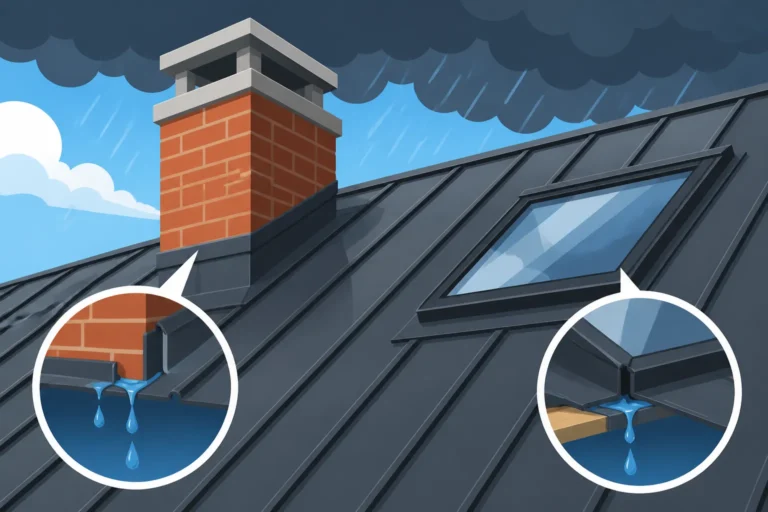
Another common source is runoff from dissimilar metals. If you have an unprotected steel chimney flashing, an old cast iron vent pipe, or even certain types of galvanized fasteners that don't have the same superior corrosion resistance as Galvalume, rust from these elements can leach onto your roof panels. This leaves streaks and stains that can be mistaken for the roof itself rusting. This is why proper installation using compatible materials is absolutely critical. Even something as small as the wrong type of fastener can introduce rust, which is why understanding metal roof screws and fasteners explained is so important.
Finally, scratches or severe abrasion can expose the steel core. While the zinc will try to protect it, deep or continuous exposure, especially in harsh coastal or industrial environments, can eventually overwhelm the galvanic protection, leading to actual rust of the steel substrate. This is why careful handling during installation and avoiding walking on the roof unnecessarily are important preventative measures.
Identifying the Type of Rust on Your Galvalume Roof
Before you grab any harsh chemicals, it's essential to properly identify the type of rust you're dealing with. A superficial stain requires a very different approach than a deep-seated corrosion issue. Misdiagnosing the problem can lead to unnecessary damage to your roof's finish or wasting time on ineffective treatments. This step is crucial for an effective and safe remediation process.
Surface Contamination vs. Actual Coating Failure
The first thing to determine is whether the rust is sitting on the surface or if it's coming from the Galvalume coating itself.
Surface Contamination: This is the most common scenario. You'll typically see small, isolated spots, streaks, or a general reddish-brown discoloration. If you take a damp cloth and gently rub a small, inconspicuous spot, and some of the rust color transfers to the cloth, it's very likely surface contamination. These spots often occur after construction work, near areas where metal was cut, or where water might drip from another metal source. The key here is that the Galvalume coating underneath remains intact, it's just got rusty debris on top of it. This type of rust might also feel slightly gritty to the touch if it's from metal filings.
Actual Coating Failure: This is a more serious issue and less common with well-installed Galvalume. If the rust appears as a widespread patch, bubbling, or peeling of the coating, or if the metal itself feels rough and pitted under the rust, it could indicate a breach in the Galvalume layer. True coating failure means the steel core is exposed and actively rusting. This might happen due to manufacturing defects (rare), severe, deep scratches, or prolonged exposure to aggressive chemicals that degrade the coating. When the underlying steel is rusting, the rust will typically be a deeper, more ingrained red-brown and won't easily rub off the surface. You might also see white rust (zinc corrosion) alongside the red rust, indicating the protective zinc layer has been compromised. For more on what causes metal roof leaks and how to prevent them, which can sometimes stem from coating failures, check out our related content.
Using a Simple Test for Rust Identification
A simple way to test the nature of the rust is with a mild acid solution. You can use a mixture of lemon juice and water or a weak vinegar solution.
- Clean a small, inconspicuous area: Gently wipe away any loose debris or dirt.
- Apply the solution: Dab a small amount of the lemon juice/vinegar mixture onto a rusty spot.
- Observe:
- If the rust begins to dissolve or lighten within a few minutes, and you see the original Galvalume finish underneath (even if slightly dull), it's likely surface contamination. The mild acid is reacting with the iron oxide on the surface.
- If the rust shows no change or if the metal underneath appears damaged or pitted even after wiping away the rust, you're likely dealing with actual coating failure. In this case, proceed with caution and consider professional advice.
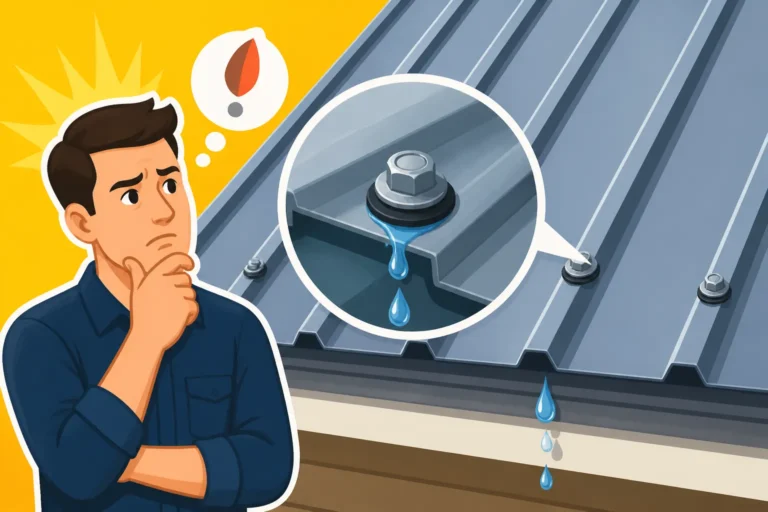
It's also worth noting the location of the rust. Rust forming specifically around fasteners, especially if they weren't designed for metal roofing, points to an issue with the fasteners themselves rather than the panel. Similarly, rust appearing in valleys or eaves might indicate poor drainage or accumulation of corrosive debris.
To help differentiate, here's a quick comparison:
| Feature | Surface Contamination (False Rust) | Coating Failure (True Rust) |
|---|---|---|
| Appearance | Small spots, streaks, light brown | Widespread patches, bubbling, pitting, deep red-brown |
| Feel | Smooth or slightly gritty | Rough, pitted, flaking |
| Rub Test (Damp Cloth) | Rust transfers to cloth | Rust doesn't transfer or leaves deep stain |
| Acid Test (Lemon/Vinegar) | Rust lightens/dissolves | Little to no change, or reveals underlying damage |
| Common Causes | Metal filings, runoff from other metals, airborne particles | Deep scratches, chemical exposure, manufacturing defect (rare) |
Step-by-Step Guide to Treating Rust on a Galvalume Roof
Once you've identified the type of rust, you can proceed with confidence. Remember, the goal is to remove the rust without damaging the Galvalume coating itself. Always work safely on a roof, using appropriate fall protection, and wear gloves and eye protection.
1. Initial Cleaning and Preparation
Before tackling any rust, the first step is to clean the affected area thoroughly. This removes dirt, debris, and loose rust particles, giving you a clear surface to work on.
- Gentle Washing: Start by rinsing the area with plain water using a garden hose. Avoid high-pressure washers, as they can damage the coating.
- Mild Detergent Scrub: Mix a mild household detergent (like dish soap) with water. Using a soft-bristle brush (never wire brushes, which can scratch the coating), gently scrub the rusty areas. For surface grime and very minor contamination rust, this might be all you need. You'd be surprised how much "rust" is just surface dirt. If you're looking for general upkeep, our guide on how to clean a metal roof safely offers more tips.
- Rinse Thoroughly: Rinse the area again with clean water to remove all soap residue. Allow it to dry completely before proceeding to the next step.
2. Treating Surface Contamination Rust
For rust that's proven to be superficial contamination, you'll want to use products that are effective yet gentle on the Galvalume.
- Phosphoric Acid-Based Cleaners: Many common rust removers contain phosphoric acid, which converts iron oxide (rust) into iron phosphate, a black, stable compound that can be rinsed away. Look for products specifically designed for metal roofing or automotive rust removal, such as those by Rust-Oleum or Naval Jelly (though Naval Jelly is stronger and should be used with extreme care, diluted, and tested first). Always read the manufacturer's instructions carefully.
- Application: Apply the chosen cleaner to the rusty spots using a brush or sponge. Allow it to sit for the recommended duration (usually a few minutes). You might see the rust turn darker as it reacts.
- Gentle Agitation: With a non-abrasive pad (like a Scotch-Brite pad or even a firm sponge), gently scrub the area to lift the rust. Do not use steel wool or harsh abrasive scrubbers.
- Rinse and Repeat: Rinse thoroughly with plenty of water. Inspect the area. If some rust remains, you can repeat the process, but avoid over-saturating the area or letting the cleaner sit for too long. Prolonged contact with strong acids can dull or damage the coating.
- Citrus-Based Cleaners: For very light contamination, natural options like strong lemon juice or a paste made from baking soda and vinegar can also be surprisingly effective, offering a milder alternative. Apply, let sit, gently scrub, and rinse.
3. Addressing Deeper Rust and Coating Failure
If you're dealing with actual red rust where the Galvalume coating has been breached, the approach needs to be more targeted and potentially more aggressive, but still with caution. This is where the guide on metal roof rust and corrosion treatment becomes highly relevant.
- Wire Brush (Light Duty) or Sandpaper (Fine Grit): For areas where the steel core is visibly rusting, you'll need to physically remove the loose rust. Use a very light touch with a fine-grit sandpaper (e.g., 220 grit or higher) or a nylon wire brush (not steel) to gently abrade away the red rust. The goal is to get down to clean, bare metal without further enlarging the damaged area. Be exceptionally careful not to scratch the surrounding intact Galvalume.
- Rust Encapsulator/Converter: Once the loose rust is removed, apply a rust encapsulator or converter directly to the exposed steel. These products chemically react with residual rust to create a stable, paintable surface. Brands like Rust-Oleum or Corroseal offer effective options. Follow product instructions meticulously.
- Primer and Touch-Up Paint: After the encapsulator has dried and cured, the area needs to be re-sealed to prevent future rust. Apply a high-quality, corrosion-resistant primer suitable for metal, followed by touch-up paint that matches your roof's color. Many metal roofing manufacturers offer touch-up paint specifically formulated for their panels. This is crucial for maintaining the roof's aesthetic and protective qualities. Ensure the paint is compatible with Galvalume and offers UV resistance.
- When to Call a Professional: If the rust is widespread, deep, causing perforations, or if you're uncomfortable performing these steps, it's always best to consult a professional metal roofing contractor. They can assess the damage, recommend the best course of action (which might include replacing individual panels), and ensure the repair is done correctly. Services like Modernize can help you find local, reputable contractors who specialize in metal roof repair. They can offer insights into whether a repair is feasible or if the extent of the damage warrants a more significant intervention.
Preventative Measures to Keep Your Galvalume Roof Rust-Free
An ounce of prevention is worth a pound of cure, especially when it comes to keeping your Galvalume roof looking pristine and performing optimally. Adopting a proactive approach can significantly extend its lifespan and prevent those unsightly rust spots from ever appearing.
Proper Installation Techniques
The journey to a rust-free Galvalume roof starts with meticulous installation. This is not a corner to cut, as poor installation can lead to a host of problems, including premature corrosion.
- Avoid Dissimilar Metal Contact: This is paramount. Never allow copper, lead, or untreated steel to come into direct contact with your Galvalume panels. These metals can set up a galvanic reaction that will accelerate corrosion of the Galvalume, especially in the presence of moisture. Ensure all flashing, fasteners, and accessories are compatible with Galvalume, typically stainless steel or coated fasteners specifically designed for metal roofing. Understanding metal roof components & accessories explained can help you ensure your contractor uses the right ones.
- Minimize Cutting on the Roof: Metal filings from cutting or grinding on the roof are a major source of contamination rust. Reputable installers will cut panels and trim on the ground or use specialized shears that minimize airborne particles. If cutting must be done on the roof, tarps should be laid down, and all filings meticulously collected and removed immediately. Even a tiny piece of ferrous metal can start rusting and stain your panels.
- Use Proper Fasteners: Exposed fasteners should always be galvanized, Galvalume-coated, or stainless steel, paired with high-quality EPDM washers that create a watertight seal. Inferior fasteners can corrode and leak, leading to rust streaks and potential roof leaks. For standing seam systems, hidden fasteners are a key advantage, as they protect the connection points from direct exposure to the elements.
Regular Maintenance and Inspections
Even the most perfectly installed roof benefits from routine checks and cleaning. Think of it as a health check-up for your roof!
- Annual Inspections: Conduct a visual inspection of your roof at least once a year, preferably in spring or fall. Look for any new stains, scratches, or areas where debris might accumulate. Pay close attention to valleys, around penetrations like chimneys and vents, and the edges of panels. If you spot potential issues, address them promptly. Our guide on metal roof inspection: what to check provides a comprehensive checklist.
- Keep it Clean: Regularly remove leaves, branches, and other organic debris that can trap moisture and foster corrosive environments. A simple rinse with a garden hose is often sufficient. For persistent grime, a mild soap and water solution with a soft brush will do the trick. Avoid abrasive cleaners or stiff brushes that can scratch the coating.
- Address Scratches Immediately: If you notice any deep scratches that have breached the Galvalume coating, clean the area and apply appropriate touch-up paint as soon as possible. Small scratches can quickly turn into rust spots if left exposed.
- Check for Incompatible Runoff: Ensure that runoff from other metal structures (like old gutters, satellite dishes, or poorly maintained HVAC units) isn't constantly dripping onto your Galvalume roof. Reroute water if necessary, or replace incompatible metal components.
Choosing the Right Products for Longevity
When it comes to your roof, quality materials and coatings make a substantial difference in long-term performance and rust prevention.
- High-Quality Coatings: Many Galvalume panels come with additional paint finishes like PVDF (Kynar 500 or Hylar 5000) or SMP. These coatings provide an extra layer of protection against UV degradation, fading, and minor abrasions, further safeguarding the underlying Galvalume. While these coatings add to the initial metal roof cost, they significantly enhance durability and maintain appearance, making the investment worthwhile in the long run.
- Reputable Manufacturers: Opt for Galvalume panels from well-known, established manufacturers. Brands like McElroy Metal, Metal Sales, and Sheffield Metals are recognized for producing high-quality products that adhere to strict industry standards, ensuring the integrity and longevity of the Galvalume coating. These manufacturers often provide robust warranties against corrosion.
- Snow Guards: If you live in a snowy climate, consider installing snow guards. While not directly related to rust, they prevent large sheets of snow and ice from sliding off your roof, which can prevent impact damage that might otherwise scratch the panels and expose them to corrosion. How to install snow guards on a metal roof can give you further details.
By following these preventative steps, you'll not only minimize the chances of rust appearing on your Galvalume roof but also ensure your roof continues to protect your home effectively for many years to come.
Disclaimer
Please note that the information provided in this article is for general guidance only and should not be considered professional advice. Always consult with a qualified metal roofing contractor or a building professional before undertaking any significant repairs or maintenance on your roof. Roofing work can be dangerous, and improper techniques can lead to further damage, injury, or void your roof's warranty.