How to Stop Snow From Sliding Off a Metal Roof
If you live in an area that sees even a moderate amount of snow, you know the heart-stopping moment: that loud THUD as a massive sheet of snow and ice suddenly slides off your metal roof, potentially crushing your prized hydrangeas, blocking your entryway, or even worse, endangering anyone standing below. It's a real and often scary problem for homeowners with these durable roofs. This guide is here to walk you through the effective strategies and solutions available to prevent sudden snow slides, ensuring the safety of your property and loved ones.
The Physics of Snow Slides and Why Metal Roofs Are Different
There’s a good reason why that picturesque blanket of snow on your metal roof can turn into an unexpected avalanche – it all comes down to the unique properties of metal roofing materials. Understanding this is the first step toward finding a lasting solution.
Why Metal Roofs Are Prone to Sliding
The primary culprit behind metal roof snow slides is the inherent smoothness and low friction of the material itself. Unlike asphalt shingles, which have a rough, granular surface that grabs onto snow and slows its descent, metal panels offer very little resistance. This slick surface, whether it's steel, aluminum, or copper, is incredibly efficient at shedding precipitation, which is usually a benefit, but in winter, it can become a hazard. Imagine trying to stand on a sheet of ice – that's essentially what snow tries to do on a metal roof.
What often triggers the sudden slide isn't just gravity acting on accumulated snow, but a subtle warming effect. Even on a cold, sunny day, the dark surface of a metal roof can absorb solar radiation, creating a thin, almost invisible layer of meltwater between the roof surface and the snowpack. This liquid layer acts like a lubricant, drastically reducing any remaining friction and allowing the entire mass of snow to release and slide off rapidly, sometimes with surprising force and speed. It's not just the top layer melting; the entire snow mass can lift and move as one.
This phenomenon is less common with other roofing materials because they typically don't conduct heat as efficiently or have surfaces that can hold onto snow better. For example, a heavy snowfall on an asphalt shingle roof will tend to sit there, slowly melting and dripping over days or even weeks, unless it's a very steep pitch or an unusual warming event. With metal, that release can be instant and unpredictable, making proactive measures absolutely essential for homeowners in snowy regions.
The Dangers of Uncontrolled Snow Movement
The dangers associated with uncontrolled snow slides are far more significant than just a temporary inconvenience. The sheer weight and velocity of a sudden snow and ice dump can cause substantial damage to property and pose a serious threat to personal safety. Many homeowners underestimate the force involved until it's too late.
Picture this: you’ve parked your car near the house, or perhaps your kids are playing in the backyard. A silent accumulation of snow sits on the roof, perhaps a foot or two deep. Then, without warning, that entire load comes crashing down. It can easily bend and tear off gutters, snap decorative porch railings, flatten bushes, destroy landscaping, and even damage or completely crush outdoor structures like gazebos, sheds, or carports. I've even heard stories of HVAC units or propane tanks getting severely damaged by a direct hit. It's not just snow; often, a layer of ice is fused within the snowpack, making the falling mass even heavier and harder.
More critically, uncontrolled snow movement poses a direct threat to people and pets. A large amount of snow falling from even a single-story roof can cause serious injury or even be fatal. Imagine stepping out your front door or walking along a path next to your house just as several hundred pounds of snow and ice plummet downwards. This risk is amplified around entryways, garage doors, and high-traffic areas where people frequently pass. Therefore, managing snow on your metal roof isn't just about protecting your property; it’s fundamentally about ensuring the safety of everyone who lives in or visits your home.
Understanding Snow Retention Systems for Metal Roofs
Thankfully, you don't have to live in fear of a rogue snow avalanche. There are highly effective snow retention systems specifically designed for metal roofs that can mitigate these risks. These systems work by interrupting the smooth slide of snow, allowing it to melt more gradually and safely.
What Are Snow Guards and How Do They Work
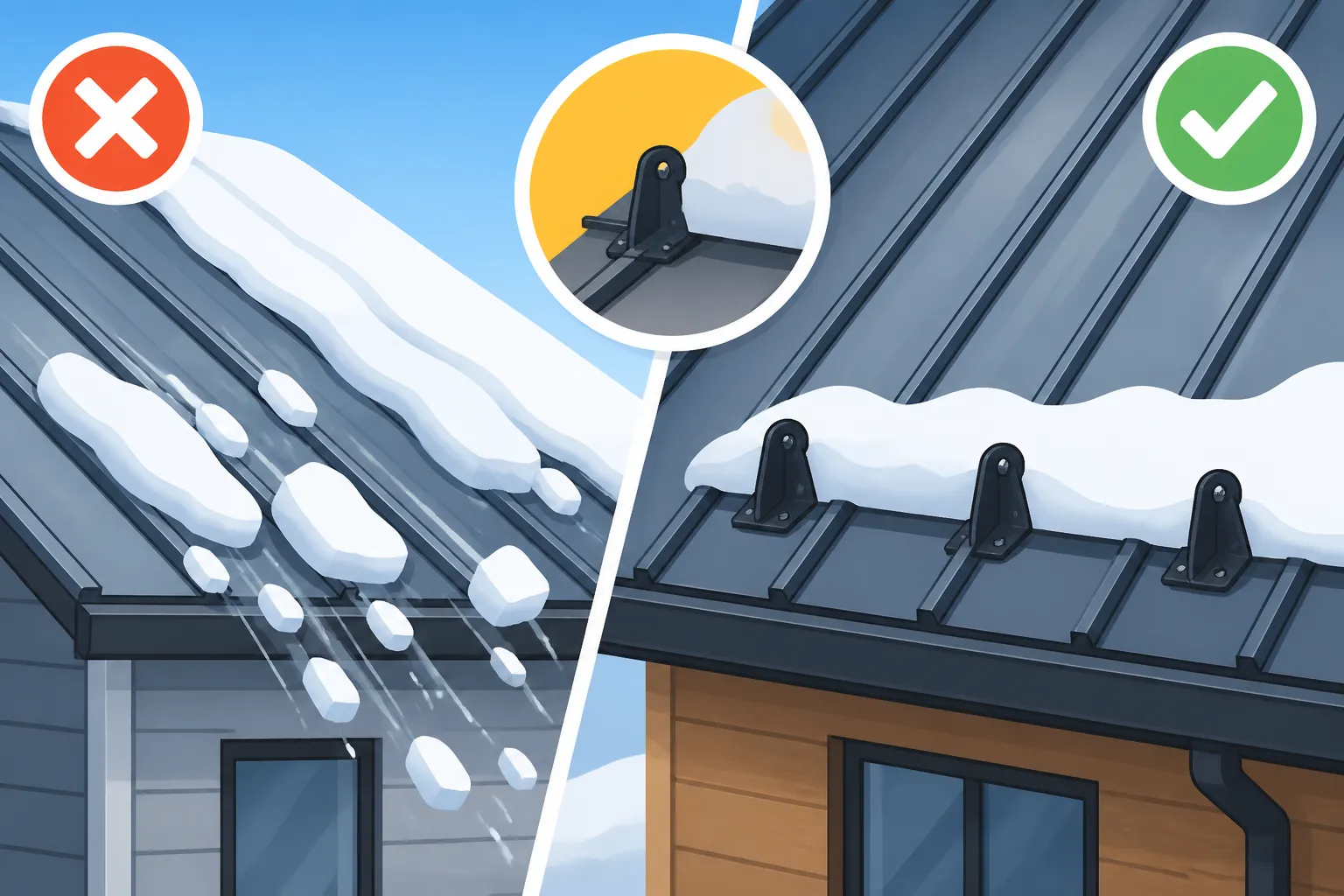
Snow guards are essentially devices installed on your metal roof to prevent the sudden, uncontrolled release of snow and ice. Think of them as tiny, strategically placed barriers that hold the snow in place. They work by increasing the friction on the roof surface, breaking up the continuous sheet of snow, and allowing it to melt and shed gradually in smaller, less dangerous amounts. Instead of a massive, sudden slide, you get a controlled drip or a slow, manageable melt.
There are two main categories of snow guards: pad-style and pipe-style systems. Both aim to achieve the same goal, but they do it in different ways and are suited for different roof types and snow load requirements. The key is that they provide enough resistance to prevent the entire snow mass from lubricating and sliding off as one enormous slab. Without them, a metal roof acts like a giant waterslide for snow, making snow guard installation a crucial part of winter preparedness for any metal roof owner in a snowy climate.
The effectiveness of snow guards largely depends on their correct placement and spacing. It's not just about scattering them randomly; a proper layout ensures that they can collectively withstand the accumulated weight of snow and ice, distributing the load evenly across the roof surface. When installed correctly, they prevent the sudden dangerous "dump" of snow, helping to protect anything or anyone below the eaves from potential harm.
Pad-Style Snow Guards: Discrete and Effective
Pad-style snow guards are individual, often low-profile units that are distributed across the roof surface. They are typically made from durable materials like clear polycarbonate, aluminum, or stainless steel, and are designed to be visually unobtrusive. For homeowners concerned about the aesthetics of their roof, clear polycarbonate options can blend almost seamlessly, allowing the beauty of the metal panels to shine through.
Installation methods for pad-style guards vary depending on the specific product and the type of metal roof. Some are designed for adhesive application, using strong, weather-resistant sealants to bond directly to the metal panels. This method is often preferred for exposed fastener roofs where drilling is less desirable. Other pad-style guards are mechanically fastened, either by screwing them directly into the roof deck (common for corrugated or R-panel roofs) or by clamping onto the seams of standing seam metal roofs. This clamping method for standing seam roofs is particularly advantageous as it avoids piercing the metal panels, thereby preserving the roof’s integrity and warranty. Brands like Sno-Gem and Zaleski offer various pad-style solutions.
While highly effective for many residential applications, especially those with moderate snow loads or lower roof pitches, pad-style guards generally work best when installed in a grid pattern. This distribution helps to equally divide the snow load and prevent isolated areas of snow accumulation and release. For very heavy snow regions or extremely steep roofs, a larger number of individual pad guards or a more robust system might be necessary to adequately handle the considerable weight and potential sliding force of accumulated snow and ice.
Pipe-Style Snow Retention Systems: Robust and Reliable
Pipe-style snow retention systems are a more robust solution, especially favored for roofs with steep pitches or in regions that experience heavy snowfall. These systems consist of one or more continuous pipes or bars that run horizontally along the eave of the roof, held in place by brackets. These brackets are specifically designed for the type of metal roof – clamp-on brackets for standing seam panels (like those from S-5! or AceClamp) and screw-down brackets for exposed fastener systems. The continuous nature of these systems creates a formidable barrier that can hold back significant amounts of snow and ice.
The pipes themselves are typically made from anodized aluminum or galvanized steel, ensuring their durability and resistance to harsh winter conditions. Many systems, such as S-5!'s ColorGard, come with color-matched inserts that blend the system seamlessly with your roof's color, addressing aesthetic concerns that some might have about a more visible solution. This customization allows for a functional yet attractive integration into your home's exterior design.
While the initial cost for a pipe-style system can be higher than individual pad-style guards due to more material and more complex installation, their comprehensive snow retention capabilities often make them a worthwhile investment for maximum protection. They are particularly effective in preventing large, destructive snow avalanches and are often recommended for roofs above critical areas like busy walkways, garage doors, or over lower roof sections that could be damaged by sliding snow. Consulting with an experienced professional to determine the optimal number of pipes and their placement is crucial for ensuring the system's effectiveness and longevity.
| Feature | Pad-Style Snow Guards | Pipe-Style Snow Retention Systems |
|---|---|---|
| Appearance | Discrete, individual units, often clear | More visible, continuous bar or pipe |
| Primary Goal | Break up snow, allow gradual melt | Hold back large snow masses, controlled melt |
| Ideal Use | Moderate snow loads, less steep roofs, aesthetic focus | Heavy snow loads, steep pitches, maximum protection |
| Material | Polycarbonate, aluminum, stainless steel | Anodized aluminum, galvanized steel |
| Installation | Adhesive or mechanical (clamp/screw) | Mechanical (clamp-on for standing seam, screw-down) |
| Coverage | Distributed grid over specific areas | Continuous line along eave(s) |
| Cost (Typical) | Lower per unit, but more units may be needed | Higher initial investment, but comprehensive |
| Strength | Good for lighter loads | Excellent for heavy loads and high velocity |
Factors Influencing Your Snow Retention Choice
Choosing the right snow retention system isn't a one-size-fits-all decision. Several factors, from your roof's unique characteristics to your personal preferences, will play a significant role in determining the best solution for your home. Taking these into account ensures that you select a system that is both effective and appropriate for your specific situation.
Roof Pitch and Snow Load Considerations
The angle of your roof, known as its pitch, is one of the most critical factors influencing the need for and type of snow retention. A steeper roof pitch naturally increases the likelihood and speed of snow slides, as gravity has a greater effect. A roof with a 6/12 pitch, for instance, will shed snow much more aggressively than one with a 2/12 pitch. Therefore, steeper roofs in snowy climates almost always require a more robust snow retention system, such as pipe-style guards, installed in multiple rows to adequately hold back the snow.
Equally important is the local snow load. This refers to the average and maximum amount of snow accumulation your region experiences. If you live in a location like the Rocky Mountains, where several feet of snow can fall in a single storm, your snow retention needs will be drastically different from someone in a region with only occasional light dustings. You’ll need a system designed to handle significant weight and pressure without failing. Understanding your local climate and consulting with a professional who is familiar with Metal Roof Snow Load Requirements is absolutely essential. They can assess your specific roof pitch, local snow averages, and structural capacity to recommend a system that meets or exceeds code requirements and ensures long-term safety.
Failing to consider both roof pitch and snow load can lead to an inadequate system that either doesn't prevent slides effectively or, worse, can be damaged by the very snow it's meant to hold. For example, installing only a few pad-style guards on a very steep roof in a heavy snow region might offer a false sense of security, leading to unexpected and potentially dangerous snow slides when a significant snowpack accumulates. Always err on the side of caution and robust design when it comes to snow retention.
Aesthetics, Budget, and Installation Complexity
Beyond the technical requirements, practical considerations like aesthetics, budget, and installation complexity weigh heavily on decision-making. These personal and financial aspects often dictate the final choice of snow retention system. It’s about finding that sweet spot where functionality meets your personal preferences and financial capabilities.
From an aesthetic standpoint, some homeowners prefer the nearly invisible look of clear polycarbonate pad-style guards, especially on a beautiful standing seam metal roof where they want the roof itself to be the focal point. Others might not mind the more prominent appearance of pipe-style systems, especially if the pipes are color-matched to the roof, like the options from certain manufacturers. The overall visual impact on your home's curb appeal is a valid concern, and thankfully, there are attractive solutions for most situations.
Budget is almost always a factor. Generally, individual pad-style guards might have a lower per-unit cost, making them seem more appealing for a tighter budget. However, a larger roof or heavier snow load might require so many units that a pipe-style system, while having a higher upfront cost, becomes more cost-effective in the long run and provides superior protection. It's crucial to get detailed quotes for different options, including both material and installation costs, to compare them accurately. You might also want to factor in the Cost to Install Snow Guards on a Metal Roof as a separate line item.
Finally, consider the installation complexity. While some adhesive pad-style guards might be a DIY possibility for the very handy homeowner on a low-slope roof, most mechanically fastened systems, and certainly all pipe-style systems, require professional installation. Improper installation can lead to leaks, damage to your roof, or the failure of the snow retention system itself, potentially voiding your roof's warranty. It's often best to leave this work to experienced professionals, especially given the dangers of working at heights in winter conditions.
Warranty Implications and Professional Installation
When you invest in a metal roof, you're buying into its incredible durability and the long-term protection it offers. A significant part of that investment is often tied up in the manufacturer's warranty, which can cover material defects for decades. This warranty is a crucial asset, and it's imperative to protect it. Improper installation of anything on your roof, including snow retention systems, can unfortunately lead to a voided warranty. This is why professional installation isn't just a convenience; it's often a necessity.
Many metal roofing manufacturers specify exact guidelines for what can and cannot be attached to their panels, and how. For example, a standing seam metal roof relies on its hidden fasteners and interlocking panels to prevent moisture intrusion. Drilling directly through these panels in an unauthorized manner could compromise their watertight integrity and immediately void your warranty. Manufacturer-certified installers are trained in the correct attachment methods, often using non-penetrating clamps that grip the seams without puncturing the metal. This ensures that your snow guards are securely installed without jeopardizing your roof's protection or warranty.
If you’re unsure about finding a qualified professional, resources like Modernize can help you connect with vetted local contractors who specialize in metal roofing and snow retention systems. These professionals understand the nuances of various roof types and can ensure that the installation adheres to manufacturer specifications and local building codes. This due diligence not only protects your roof and investment but also ensures that if any issues arise later, your Metal Roof Warranties Workmanship vs Manufacturer remain intact, providing you with peace of mind for years to come.
Practical Tips and Maintenance for Snow Management
Once you've installed a snow retention system, your work isn't entirely over. Effective snow management involves a strategic approach to placement, ongoing maintenance, and knowing when to call in the experts. These practical tips will help ensure your system performs optimally throughout the winter season.
Planning and Placement Strategy
Simply installing a few snow guards haphazardly isn't enough to guarantee safety. A thoughtful planning and placement strategy is key to effective snow management. Before installation, take the time to observe your roof and property. Where does snow typically accumulate? Which areas below the eaves see the most foot traffic, or are home to valuable landscaping, outdoor furniture, or vehicles? These are your priority zones for robust snow retention.
For comprehensive protection, especially in heavy snow areas, consider continuous snow guard coverage along all eaves. This might mean multiple rows of pipe-style guards or a dense grid of pad-style guards. Don't forget areas over lower roofs, skylights, vents, and any ground-level utility connections like gas meters or outdoor electrical panels, as these can also be damaged by falling snow. A common mistake is to only protect the front door, leaving other vulnerable areas exposed to potential damage.
It's also important to remember that snow guards are designed to hold snow, not necessarily to shed it faster. This means snow will accumulate on your roof until it melts or gradually breaks apart. Therefore, ensure your roof structure can handle the maximum potential snow load, especially if you're installing a robust retention system. Working with a professional during this planning phase can provide invaluable insights into optimal placement and ensure your system is tailored to your specific roof and climate, preventing issues further down the line.
Regular Maintenance and Inspection
Even the most robust snow retention system benefits from regular maintenance and inspection to ensure its continued effectiveness. Before the first snowfall each year, it’s a good practice to give your roof and snow guards a thorough check-up. Look for any loose or damaged components – are all the clamps tight? Are any pad-style guards showing signs of wear or detachment? Are the pipe elements securely in place? Addressing these small issues proactively can prevent larger problems later.
Part of this routine should also include ensuring your gutters are clear of leaves and debris. Clogged gutters can lead to ice dams, which can interact negatively with snow guards, potentially causing further issues with water runoff and even leading to leaks. While metal roofs are excellent at shedding water, proper drainage is still critical. You might find our Metal Roof Maintenance Guide helpful for overall roof care.
Throughout the winter, keep an eye on how snow is accumulating and melting. If you notice any areas where snow is still sliding uncontrollably or if the guards seem to be under unusual strain, it might indicate a need for additional guards or a re-evaluation of your system. Remember, consistency in maintenance is what helps extend the life of your metal roof and its associated components, ensuring peak performance season after season.
When to Seek Professional Help
While some homeowners are comfortable with DIY projects, dealing with roof work, especially in winter conditions or at height, can be hazardous. There are several clear indicators for when it’s time to call in the professionals for your snow retention needs. If you have a particularly steep roof, or if you’re uncomfortable working on ladders, safety should always be your number one priority. A professional roofer has the right equipment, training, and insurance to perform the work safely and correctly.
Moreover, determining the correct type, spacing, and installation method for snow guards can be complex. Different metal roof profiles (like standing seam, corrugated, or R-panel) require specific attachment methods, and an inexperienced installer might inadvertently damage your roof or void its warranty. If you’re unsure about which system is best for your specific roof pitch and local snow loads, or if you've already tried a solution that isn't working, an expert can provide a comprehensive assessment and recommendation. This is where services like Modernize become incredibly useful, helping you easily find experienced and reputable metal roofing contractors in your area who understand the intricacies of snow retention.
Finally, professional installation ensures that the snow retention system is properly integrated with your entire roofing system, preventing issues like leaks or premature wear. They can also advise on other winterization strategies, such as proper attic ventilation to prevent ice dams. Don't hesitate to reach out to a trusted contractor; their expertise is an investment in the long-term safety and integrity of your home, and they can answer any lingering questions, even about things like Metal Roof Labor Cost Per Square for a project like this.
Disclaimer
Please note that this guide provides general information and recommendations regarding metal roof snow retention. Local building codes, climate conditions, and specific roof characteristics can vary widely. Always consult with a qualified, licensed, and insured roofing professional for personalized advice and installation services tailored to your specific needs and local regulations.