Metal Roof Cost by Material: Steel vs Aluminum vs Copper vs Zinc
Deciding on a new roof is already a huge undertaking, but when you start diving into metal roofing, the sheer variety of materials can make your head spin – and your wallet ache with uncertainty. I remember feeling completely overwhelmed trying to figure out if steel, aluminum, copper, or zinc was the right fit for my home, not just aesthetically, but financially too. This guide is here to untangle the complexities, offering a deep dive into the costs and characteristics of each major metal roofing material so you can make an informed decision without the guesswork.
Understanding the Big Picture of Metal Roof Costs
When you're looking at metal roofing, it's easy to get caught up in the initial sticker price, especially when some materials seem so much more expensive than traditional options. But trust me, that's only part of the story. A metal roof isn't just a purchase; it's an investment in your home's future, and understanding the nuances of its cost means looking at both the upfront expenditure and the long-term benefits.
Initial Investment vs. Long-Term Value
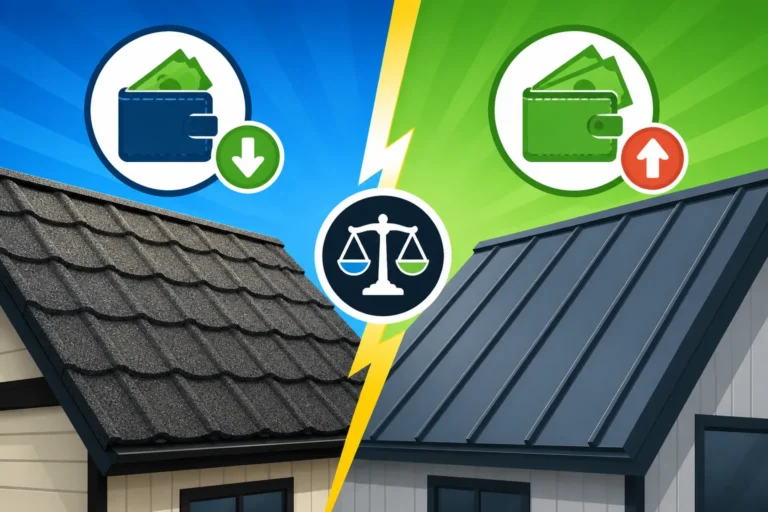
Let's be real: metal roofs generally have a higher upfront cost than, say, asphalt shingles. This is often the first hurdle for many homeowners. You might see a quote for a beautiful standing seam copper roof and think, "There's no way!" However, this initial investment is balanced by a significantly longer lifespan and lower maintenance needs. While an asphalt shingle roof might need replacing every 15-20 years, a quality metal roof can easily last 50-70 years, or even longer for materials like copper and zinc. This means you're potentially installing one roof for the rest of your time in the home, avoiding multiple replacements that add up over decades.
Beyond sheer longevity, consider the energy savings. Many metal roofs, especially those with lighter colors or reflective coatings, can significantly reduce cooling costs by reflecting solar radiant heat. I've heard from folks in warmer climates, like Florida, who've seen their AC bills drop noticeably after installing a metal roof. Plus, let's not forget the potential insurance discounts you might qualify for, particularly in hail or high-wind prone areas, because of metal's superior durability. When you factor in fewer repairs, energy efficiency, and potential insurance savings, the long-term value often far surpasses the initial outlay, making it a sound financial decision over your home's lifetime. If you're wondering, "Is a Metal Roof Worth It? ROI, Resale & Payback", it's usually a resounding yes.
Key Factors Influencing Material Costs
The cost of your metal roof isn't just about the material itself; it's a dynamic equation influenced by several other factors. First, the type of metal you choose (steel, aluminum, copper, zinc) is the most significant driver. Each metal has its own inherent market price, which can fluctuate with global demand and supply. For example, copper is a commodity with a higher base price than steel, influencing its cost from the get-go.
Next, the profile of the panels plays a huge role. Are you looking at a classic standing seam system, which generally involves more complex fabrication and installation, or a more economical corrugated panel? The gauge, or thickness, of the metal also matters. Thicker gauges (lower numbers like 24-gauge) are more durable and thus more expensive than thinner ones (like 29-gauge). The coating and finish, especially for steel and aluminum, can add to the cost, offering enhanced protection, specific colors, and aesthetic appeal. Lastly, your geographical location impacts material costs due to transportation expenses and local market demand. What Affects Metal Roof Cost: Gauge, Pitch, Complexity & Tear-Off delves deeper into these aspects.
Steel Metal Roofing: The Workhorse of the Industry
Steel is, without a doubt, the most popular choice for residential metal roofing, and for good reason. It strikes an excellent balance between durability, affordability, and versatility. When people think of a "metal roof" often, it's steel they're picturing, whether it's a traditional standing seam or a more rustic corrugated style.
Galvalume and Galvanized Steel Options
Within the realm of steel roofing, you'll primarily encounter two main types: galvanized steel and Galvalume steel. Both involve coating a steel core to protect it from rust and corrosion, but they use different coating materials.
Galvanized steel is coated with a layer of pure zinc. This zinc acts as a sacrificial layer, corroding before the steel beneath it, offering good protection against the elements. It's been a reliable option for decades and is often chosen for agricultural buildings or for homeowners seeking a more industrial aesthetic. While effective, the zinc coating can eventually wear down, especially in highly acidic or salty environments.
Galvalume steel, on the other hand, is coated with a blend of zinc and aluminum (typically 55% aluminum, 43.4% zinc, and 1.6% silicon). This aluminum-zinc alloy offers superior corrosion resistance compared to galvanized steel, making it an excellent choice for a wide range of climates, including coastal areas. The aluminum provides a barrier protection, while the zinc offers galvanic protection. Most modern residential steel roofing, particularly standing seam and stone-coated steel, utilizes Galvalume because of its enhanced longevity and performance. Many manufacturers, like Metal Sales and McElroy Metal, extensively use Galvalume for their products.
Advantages and Disadvantages of Steel Roofs
Steel roofing boasts a long list of advantages that make it a compelling choice for many homeowners. Its most significant benefit is its incredible strength and durability. Steel panels can withstand extreme weather conditions, including high winds, heavy snow loads, and hail, often earning a Class 4 impact resistance rating. This robustness translates into a longer lifespan, typically 40-70 years, and often leads to lower homeowners insurance premiums.
From an aesthetic perspective, steel is incredibly versatile. It comes in a vast array of colors, finishes, and profiles, from the sleek lines of a standing seam to the traditional look of metal shingles or shakes. This means you can achieve almost any architectural style you desire. Environmentally, steel is a highly recyclable material, making it a sustainable choice.
However, steel also has its disadvantages. While generally more affordable than other metal options, it's still more expensive upfront than asphalt shingles. Without proper coatings (like Galvalume), it can be susceptible to rust, particularly if scratched or installed incorrectly. Some homeowners also report noise during heavy rain or hail, though this can largely be mitigated with proper underlayment and installation techniques. You can learn more about specific profiles like Corrugated Metal Roof Cost or Standing Seam Metal Roof Cost to get a clearer picture.
Cost Breakdown for Steel Roofing
The cost of steel roofing can vary significantly based on the specific type, gauge, coating, and profile. Generally, you can expect to pay anywhere from $6.50 to $16.00 per square foot installed for steel roofing.
- Corrugated or Exposed Fastener Steel (e.g., R-Panel, 5V Crimp): These are typically the most budget-friendly steel options. Materials might run $2.50 to $6.00 per square foot, with installation bringing the total to $6.50 to $11.00 per square foot. They're often 26-gauge or 29-gauge, which are thinner but still durable for many applications.
- Standing Seam Steel: This premium profile, often 24-gauge or 26-gauge Galvalume steel, commands a higher price. Material costs can range from $4.00 to $9.00 per square foot, and installed prices typically fall between $10.00 and $16.00 per square foot. The specialized manufacturing and installation methods for Standing Seam Metal Roof Cost contribute to its higher price point.
- Stone-Coated Steel: These panels, which mimic the look of traditional tiles, shakes, or shingles, are typically made of 26-gauge Galvalume steel with a stone granule coating. Material costs are often in the $3.50 to $7.00 per square foot range, with installed prices from $8.00 to $14.00 per square foot. They offer excellent durability and a wide variety of aesthetics.
Keep in mind these are averages. Factors like your roof's pitch, complexity, and the specific contractor you choose will influence the final Metal Roof Cost Per Square Foot.
Aluminum Metal Roofing: Lightweight and Rust-Resistant
Aluminum is another fantastic metal roofing material, particularly well-suited for specific environments where other metals might struggle. It's often chosen for its incredible rust resistance and light weight, making it a preferred option in many coastal regions.
Benefits and Considerations for Aluminum
The standout advantage of aluminum roofing is its inherent resistance to rust and corrosion. Unlike steel, aluminum does not contain iron and therefore will not rust, making it an ideal choice for homes in salty coastal environments or areas with high humidity. This natural corrosion resistance means its protective qualities are not reliant on a coating, though most aluminum roofing still features high-quality paint finishes like Kynar 500 (PVDF) for color retention and added durability.
Aluminum is also incredibly lightweight, which can be a significant benefit during installation. It reduces the structural load on your home, potentially simplifying installation and sometimes even allowing it to be installed over existing shingles without needing a full tear-off. Its light weight also makes it easier to transport and handle, which can sometimes lead to slightly lower labor costs. Like steel, aluminum is fully recyclable, contributing to its environmental appeal.
However, there are considerations. Aluminum is generally softer than steel, which means it can be more prone to denting from severe hail or falling debris. While resilient, it might not offer the same absolute rigidity as a heavy-gauge steel panel. It also tends to expand and contract more with temperature changes, necessitating proper installation techniques to accommodate this movement. The cost of aluminum is typically higher than steel, putting it in a more premium price bracket. If you're comparing "Steel vs Aluminum Metal Roof: Which Is Better?", it often comes down to budget and specific environmental factors.
Durability and Performance in Various Climates
Despite being softer than steel, aluminum roofing is remarkably durable and performs exceptionally well across a diverse range of climates. Its rust resistance makes it unparalleled in coastal regions where salt spray is a constant threat. In these areas, galvanized or even Galvalume steel might eventually show signs of corrosion, but aluminum will hold strong for decades. It's also an excellent choice for humid, tropical climates for the same reason.
In colder climates, aluminum stands up well to snow and ice, as its smooth surface allows snow to slide off easily (though this might necessitate snow guards in certain areas). While dents can be a concern from large hail, many aluminum roofing systems are designed to minimize this, and the overall longevity in terms of resisting degradation from the elements is superb. Aluminum roofs often carry impressive wind ratings, capable of withstanding hurricane-force winds when properly installed, making them a top contender for homes in storm-prone areas.
Pricing for Aluminum Roof Systems
Aluminum roofing typically falls into a higher price bracket than most steel options, but it’s still more accessible than copper or zinc. On average, you can expect aluminum roofing to cost between $8.00 and $20.00 per square foot installed.
- Aluminum Shingles or Tiles: These products are designed to mimic traditional roofing materials but offer the benefits of metal. Materials might cost $5.00 to $10.00 per square foot, with installed prices ranging from $10.00 to $18.00 per square foot. They're popular for their aesthetic flexibility and performance.
- Aluminum Standing Seam Panels: Similar to steel standing seam, aluminum standing seam offers a sleek, modern look with hidden fasteners. The material cost can be $6.00 to $12.00 per square foot, with installation bringing the total to $12.00 to $20.00 per square foot. The higher end of this range is usually for heavier gauges or specialized finishes.
While the upfront cost for Aluminum Roof Cost can be higher, its unparalleled rust resistance and long lifespan make it a sound investment, especially for homeowners in challenging environments.
Copper Metal Roofing: The Timeless and Premium Choice
Copper roofing is the epitome of luxury and timeless elegance. It’s a material that speaks volumes about craftsmanship and quality, developing a stunning patina over time that many homeowners find irresistible. When you see a copper roof, you know it’s something special.
The Allure of Copper and Its Unique Properties
What makes copper so alluring? Beyond its initial radiant shine, it's the way it ages. Copper doesn't rust or corrode in the traditional sense. Instead, it develops a protective layer called a patina – a beautiful blue-green oxidation that shields the metal underneath from further degradation. This patina can take anywhere from 5 to 20 years to fully develop, depending on environmental factors like humidity and salt exposure, transforming the roof’s appearance over time into a truly unique masterpiece. This living finish is a major draw for historic homes, custom builds, and homeowners looking for a distinctive, natural aesthetic.
Functionally, copper is incredibly durable. It's impervious to fire, hail, and mildew, and it stands up exceptionally well to high winds. Unlike other metals that can eventually break down or require recoating, copper’s natural properties ensure an astonishingly long lifespan, often exceeding 100 years. It’s also incredibly ductile, meaning it can be easily formed and shaped, which allows for intricate architectural details that might be difficult with other materials. This workability, combined with its resistance to biofouling, makes it a truly unique roofing material.
Installation Complexities and Craftsmanship
Installing a copper roof is not a job for just any roofing crew. It requires specialized skills, extensive experience, and a deep understanding of copper's unique characteristics. Because copper is so ductile and responsive to temperature changes, installers must be meticulous in their approach to ensure proper sealing, flashing, and fastening that accommodates its expansion and contraction without causing buckling or leaks.
Many copper roofing systems, particularly standing seam, involve soldering seams and intricate custom fabrication on-site, which demands a high level of craftsmanship. Flashings around chimneys, skylights, and valleys are often custom-made from copper to ensure a seamless and durable installation. The precision required for these details significantly contributes to the higher labor costs associated with copper roofing. You'll want to find a contractor who specializes in this material, someone with a proven track record of successful copper installations, perhaps even a "How to Find a Copper Roof Installer" expert.
Copper Roofing Investment Details
Let’s not mince words: copper roofing is a significant investment, often the most expensive option among metal roofing materials. The cost of copper itself is a major factor, as it’s a precious metal with a high market value. Due to its premium status and the specialized labor involved, expect to pay a premium. The average installed cost for a copper roof typically ranges from $25.00 to $60.00 per square foot, but can go even higher for highly complex roofs or custom architectural features.
- Copper Standing Seam: This is the most common and visually striking application. Material costs alone can be $15.00 to $35.00 per square foot, with the total installed cost reaching $35.00 to $60.00+ per square foot. The gauge of copper (typically 16-20 oz, which refers to weight per square foot, rather than gauge numbers like steel) and panel width will influence the material price.
- Copper Shingles or Tiles: For a different aesthetic, copper can be formed into shingles or tiles. These often have material costs in the $12.00 to $25.00 per square foot range, leading to installed prices from $25.00 to $45.00 per square foot.
While the Copper Roof Cost is substantial, its unparalleled longevity (often outlasting the home itself), minimal maintenance, and the stunning visual evolution of its patina make it an aspirational choice for many. It's a roof that truly adds value and character, a legacy material that is passed down through generations.
Zinc Metal Roofing: Elegant, Durable, and Self-Healing
Zinc roofing is another premium choice, revered in Europe for centuries and gaining increasing popularity in North America. It shares some similarities with copper in its longevity and evolving aesthetic, but offers its own distinct set of advantages and a subtle, sophisticated charm.
Understanding Zinc's Patina and Longevity
Like copper, zinc develops a protective patina over time, but its transformation is typically a softer, muted grey rather than green. This natural passivation layer, formed by a reaction with carbon dioxide and moisture in the air, makes zinc incredibly durable and resistant to corrosion. This patina also has a unique "self-healing" property: minor scratches or abrasions on the surface will gradually blend away as the patina reforms over the damaged area. This is a huge benefit for long-term aesthetics and minimal maintenance.
The lifespan of a properly installed zinc roof is truly remarkable, often exceeding 80 to 100 years, and sometimes even longer in ideal conditions. This incredible longevity makes it a sustainable and cost-effective solution over its entire lifecycle, as it's unlikely you'll ever need to replace it. Its resistance to UV radiation, mold, and mildew further contributes to its exceptional durability and low maintenance profile.
Environmental Benefits and Material Characteristics
Zinc is an exceptionally environmentally friendly material. It's 100% recyclable, and its production process requires less energy than many other metals. Its long lifespan means fewer resources are consumed in manufacturing and replacement cycles, reducing its overall environmental footprint. The runoff from a zinc roof is also largely neutral, making it safe for rainwater harvesting systems, a popular choice for eco-conscious homeowners.
From a material standpoint, zinc is naturally soft and malleable, similar to copper. This malleability allows for intricate architectural designs and smooth curves, giving architects and designers immense flexibility. It’s also resistant to fire and offers excellent performance in a wide range of climates, from harsh winters to scorching summers. Its thermal properties help regulate indoor temperatures, contributing to energy efficiency. Companies like RHEINZINK and VMZINC are well-known producers of high-quality architectural zinc.
Cost Implications of Zinc Roofing
Zinc roofing is a premium product, and its pricing reflects its advanced material properties, longevity, and the specialized installation required. It typically falls into a similar price range as copper, making it one of the more significant investments in metal roofing. The average installed cost for a zinc roof can range from $20.00 to $45.00 per square foot.
- Zinc Standing Seam Panels: This is the most common application, providing a sleek, modern, or traditional European look. Material costs for pre-patinated or natural zinc panels often range from $12.00 to $25.00 per square foot. With specialized labor, the installed price can be anywhere from $25.00 to $45.00 per square foot, depending on the panel type, gauge, and roof complexity.
- Zinc Shingles or Tiles: While less common, zinc can also be formed into shingle or tile profiles, offering a different aesthetic. These typically fall into a similar price range as standing seam, with installed costs from $20.00 to $40.00 per square foot.
The Zinc Roof Cost is high, but when you consider its century-long lifespan, self-healing properties, minimal maintenance, and unique aesthetic, it becomes clear why it's a coveted material for those seeking ultimate durability and sophistication. It represents a commitment to enduring quality and timeless design.
A Side-by-Side Look: Comparing Metal Roofing Materials
Choosing the right metal roofing material can feel like a daunting task, especially when each option brings its own set of advantages and disadvantages. To help make your decision a little clearer, let's lay out a direct comparison of steel, aluminum, copper, and zinc across key metrics. This isn't just about the numbers; it's about understanding how each material aligns with your home's needs, your budget, and your long-term vision.
Cost Comparison Table
To give you a quick overview, here's a table summarizing the approximate installed costs, lifespan, and key characteristics of each material. Remember, these are averages, and actual costs can fluctuate based on your specific project details, location, and chosen contractor.
| Material | Average Installed Cost (per sq. ft.) | Typical Lifespan | Key Characteristics |
|---|---|---|---|
| Steel | $6.50 – $16.00 | 40 – 70 years | Versatile, strong, wide range of colors/profiles, Galvalume for corrosion resistance. |
| Aluminum | $8.00 – $20.00 | 50 – 80 years | Lightweight, excellent rust/corrosion resistance (especially coastal), good for hot climates. |
| Copper | $25.00 – $60.00 | 100+ years | Premium, develops distinctive green/blue patina, highly durable, low maintenance, excellent for historic homes. |
| Zinc | $20.00 – $45.00 | 80 – 100+ years | Premium, develops elegant grey patina, self-healing properties, extremely durable, eco-friendly. |
This table provides a helpful starting point for understanding the general price tiers. You can dive deeper into "Metal Roof Cost by Material: Steel vs Aluminum vs Copper vs Zinc" to see more detailed breakdowns.
Performance and Aesthetic Differences
Beyond raw cost, how do these materials actually perform and look on your home?
- Steel: As the most robust option for its price, steel offers excellent impact resistance and can withstand significant wind loads. Aesthetically, it's a chameleon, available in everything from industrial corrugated panels to sophisticated standing seam systems and even stamped profiles mimicking tile or slate. The color choices are nearly endless thanks to modern paint systems, but these colors can eventually fade over many decades.
- Aluminum: Its lightweight nature means it puts less stress on your home's structure, and its superior rust resistance makes it the go-to for coastal properties. While generally durable, it's slightly softer than steel, potentially more prone to minor denting from very large hail. Visually, aluminum also comes in a wide range of colors and profiles, often featuring high-performance Kynar 500 finishes that retain their vibrancy for decades without fading.
- Copper: Performance-wise, copper is in a league of its own. It's incredibly durable against all elements, virtually maintenance-free, and its malleability allows for truly custom architectural details. Its aesthetic evolution is its signature feature. Starting as a shiny, new penny color, it gradually darkens to browns before settling into a beautiful green or blue-green patina. This living finish is what most people desire when they choose copper, making each roof unique over time.
- Zinc: Also boasting exceptional performance and longevity, zinc's "self-healing" patina sets it apart. It handles expansion and contraction well and is remarkably resistant to corrosion. Aesthetically, zinc develops a sophisticated, matte grey patina that can be quite varied based on environmental conditions. It offers a more subdued, contemporary elegance compared to the vibrant transformation of copper, and like copper, allows for intricate detailing.
Understanding these differences is crucial for choosing a roof that not only fits your budget but also performs optimally for your local climate and achieves the aesthetic you envision for your home.
Deciding Which Material is Right for Your Home
Making the final decision involves weighing all these factors against your personal priorities and circumstances.
If budget is your primary concern but you still want the longevity and benefits of metal, steel is likely your best bet. Especially Galvalume steel in a standing seam or stone-coated profile, it offers excellent value for money and a long lifespan. It's a great all-around performer for most climates and home styles.
If you live in a coastal area with significant salt exposure or high humidity, aluminum should be at the top of your list. Its rust-proof nature provides peace of mind where other metals might falter, justifying its slightly higher cost. It's also fantastic for energy efficiency in hot climates due to its reflective properties.
If you're seeking a legacy roof, an unparalleled aesthetic statement, and willing to invest significantly, then copper or zinc are your premium options.
- Choose copper if you adore its iconic green patina and desire a vibrant, classic transformation that adds historical charm and prestige.
- Opt for zinc if you prefer a more understated, elegant grey patina, appreciate its self-healing capabilities, and value a highly sustainable material with exceptional longevity for a modern or architectural design.
Consider your home's architectural style, your local climate, and your long-term financial goals. Don't be afraid to talk to multiple experienced contractors. Getting several quotes, as advised in "How Many Metal Roof Quotes Should You Get", and discussing the pros and cons of each material for your specific situation can provide invaluable insights.
Beyond Material: Other Factors Shaping Your Final Bill
While the choice of metal material is a monumental decision, it's only one piece of the puzzle when calculating the final cost of your new metal roof. Several other critical factors contribute to the overall project expense, and understanding them will help you budget more accurately and avoid any nasty surprises down the line.
Installation Labor and Project Complexity
The cost of labor is often a significant portion of your total metal roofing bill, and it’s highly variable. Expert installation is paramount for metal roofs, particularly for complex systems like standing seam, copper, or zinc, which require specialized skills and tools. A contractor with extensive experience in metal roofing might charge more per hour, but their expertise can save you money in the long run by preventing costly mistakes and ensuring the roof performs as expected for its full lifespan. You can also explore "Metal Roof Labor Cost" to get specific numbers.
The complexity of your roof also plays a huge role. A simple, low-pitch gable roof on a single-story house will naturally cost less to install than a multi-level roof with steep pitches, numerous dormers, skylights, valleys, and chimneys. Each penetration and change in plane requires intricate flashing and sealing, demanding more time and specialized labor. If your existing roof needs a complete tear-off, that adds another layer of labor and disposal costs. Furthermore, if you’re trying to compare DIY Metal Roof Installation: What to Know vs. hiring a professional, know that the complexities often outweigh the perceived savings for homeowners.
Geographical Location and Market Rates
Where you live significantly impacts the cost of your metal roof. Labor rates, material availability, and even local building codes can vary wildly from one region to another, and even from city to city within the same state.
- Labor Rates: In areas with a high cost of living, like major metropolitan areas such as Los Angeles, Seattle, or New York, labor rates for skilled roofers will naturally be higher than in rural areas or regions with lower living expenses.
- Material Availability and Shipping: If you're selecting a less common material like zinc, or a specific profile that isn't readily stocked by local suppliers, shipping costs can add substantially to your material bill. This is particularly true for custom-fabricated panels.
- Permitting and Inspections: Local municipalities have different requirements and fees for roofing permits and inspections. Some areas, especially those prone to severe weather, might have stricter building codes that necessitate specific installation methods or higher-grade materials, further influencing the overall cost. For example, coastal Florida has stringent "Florida Metal Roof Codes: FBC, HVHZ & Approvals" due to hurricane risks.
- Local Market Demand: In areas where metal roofing is highly popular, competition among contractors might lead to more competitive pricing. Conversely, in areas where it's a niche product, fewer specialized installers could mean higher prices due to limited options.
Always get quotes from local contractors to understand the Metal Roof Cost by State and City, as this will give you the most accurate picture for your specific project.
Disclaimer
The information provided in this guide is for general informational purposes only and does not constitute professional advice. Roofing costs can vary widely based on numerous factors including location, specific materials, labor rates, roof complexity, and market conditions. It is essential to obtain multiple detailed quotes from qualified, licensed, and insured metal roofing contractors in your area before making any decisions. Always consult with a professional for advice tailored to your specific situation.