What License Does a Roofer Need in Washington
Navigating the world of home renovations, especially something as significant as a new roof, can feel like trying to solve a puzzle with half the pieces missing. One of the biggest stressors homeowners face is knowing who to trust with such a crucial investment, and a major part of that trust comes down to proper licensing. This comprehensive guide will pull back the curtain on exactly what licenses a roofer needs to operate legally and reputably in Washington State, empowering you to make informed decisions and protect your home and wallet.
Understanding Roofing Contractor Licensing in Washington State
When you’re looking to replace your roof, it’s not just about finding someone who can swing a hammer. It’s about hiring a legitimate business that adheres to state regulations, ensuring your safety, the quality of the work, and financial protection. In Washington, this isn't just a suggestion; it's the law, and it's designed specifically to safeguard consumers like you.
Why Licensing Matters for Your Peace of Mind
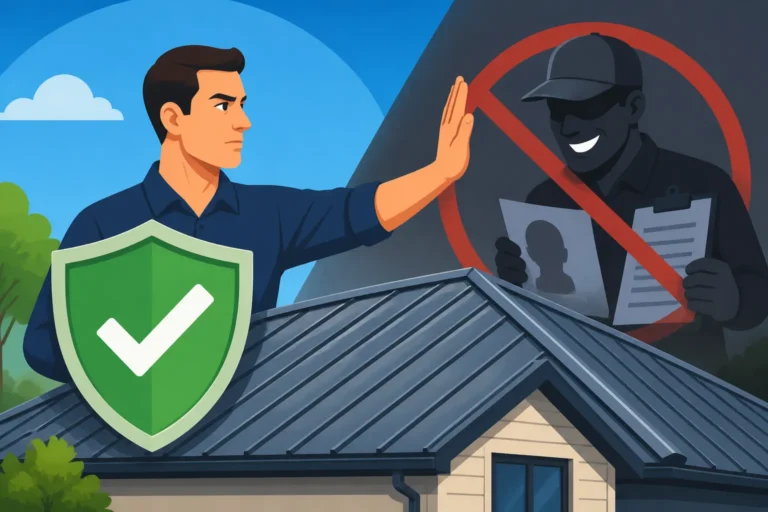
Let's be real, embarking on a major home project like a roof replacement can be daunting. You're entrusting a significant portion of your home's structural integrity, not to mention your hard-earned money, to a third party. That's where licensing steps in as your silent protector. A properly licensed contractor has met specific state requirements, which often include proving their technical competence, carrying adequate insurance, and posting a surety bond. These aren't just bureaucratic hurdles; they're layers of consumer protection designed to ensure accountability. If something goes wrong—whether it's shoddy workmanship, damage to your property, or even a worker injury—a licensed contractor provides avenues for recourse that an unlicensed one simply doesn't. Without these safeguards, you could find yourself in a very expensive and frustrating predicament, footing the bill for repairs or even medical expenses for an on-site accident.
Beyond the immediate financial and legal protections, hiring a licensed professional speaks volumes about the quality of work you can expect. Licensed contractors are typically more experienced, understand local building codes, and are committed to maintaining a professional reputation. They have a vested interest in doing the job right, not just for your satisfaction but also to avoid potential complaints that could jeopardize their license. This commitment to quality and professionalism often translates into a more durable, code-compliant, and worry-free roof for your home, protecting your investment for decades to come.
The Washington Department of Labor & Industries L&I
In Washington State, the primary authority overseeing and regulating contractors, including roofers, is the Department of Labor & Industries, affectionately known as L&I. They're the gatekeepers, ensuring that anyone performing contracting work in the state meets the necessary standards to protect consumers and workers alike. L&I provides comprehensive resources and a public database where you can easily verify a contractor's status. It’s a vital tool that every homeowner in Washington should be familiar with before hiring anyone to work on their home.
The role of L&I extends beyond simply issuing licenses. They enforce compliance with labor laws, safety regulations, and contractor registration requirements. This means they are responsible for investigating complaints against contractors and ensuring that businesses maintain their bonds and insurance. Think of them as the state's watchdog for construction projects, making sure everyone plays by the rules. Their oversight is crucial for maintaining fair practices and upholding construction quality standards across the state, giving you a reliable resource when you need to confirm a roofer's legitimacy.
Specific License Types for Washington Roofers
When you're dealing with contractors, it's easy to get lost in the terminology. But understanding the different types of licenses is key to ensuring your roofer is properly credentialed for the job at hand. In Washington, roofers typically fall under specific categories, each with its own set of requirements designed to protect you.
General Contractor vs. Specialty Contractor
In Washington State, contractors generally fall into one of two main categories: general contractors and specialty contractors. A general contractor is registered to perform work in more than one building trade. This means they can take on a wide variety of projects, often overseeing multiple subcontractors for different aspects of a larger build or renovation. For example, a general contractor might manage a home addition that includes framing, plumbing, electrical, and then, yes, roofing.
A specialty contractor, on the other hand, is registered to perform work only in one specific building trade. This is where most dedicated roofing companies come in. A roofer in Washington typically holds a specialty contractor registration specifically for roofing work. This specialization often means they have deep expertise, specialized equipment, and extensive experience in their particular trade. While a general contractor can perform roofing work, often they will subcontract it out to a specialty roofing contractor. For a dedicated roof replacement, hiring a specialty roofing contractor can often ensure you're getting experts whose entire business revolves around roofs, leading to more focused and efficient work. It's often a good idea to seek out a specialist who truly understands the nuances of various roofing materials and installation methods, whether you're considering a traditional asphalt shingle or a modern metal roof. If you're pondering a "What Is a Standing Seam Metal Roof?" installation, for instance, you'll want a specialist.
Essential Requirements for a Licensed Roofer in Washington
It's not enough for a roofer to just say they're "licensed." There are several specific components that make up a legitimate contractor's registration in Washington State, each serving a critical purpose. When you're asking a potential contractor, "Questions to Ask a Metal Roofing Contractor Before You Hire," these are the details you'll want verified.
Registration
First and foremost, every legitimate roofing contractor in Washington State must be registered with the Department of Labor & Industries (L&I). This registration provides them with a unique contractor registration number. This isn't just a fancy ID; it signifies that they have gone through the official process with the state, agreeing to abide by Washington's contractor laws. An active registration is the absolute baseline for any professional you hire. Without it, they're operating illegally, and you're essentially hiring someone off the street with no official oversight. When you're gathering bids, always ask for this registration number upfront.
Bond
A key component of a legitimate contractor's registration is a surety bond. Think of a bond as a financial guarantee that protects you, the homeowner, if the contractor fails to complete the job as agreed, performs shoddy work, or doesn't pay their suppliers or subcontractors. In Washington, general contractors are typically required to carry a $12,000 bond, while specialty contractors (like most roofers) need a $6,000 bond. This bond acts as a financial safety net. If a dispute arises and the contractor is found to be at fault, you can file a claim against their bond to recover damages. It provides a layer of financial protection that is completely absent when you hire an unlicensed contractor, leaving you exposed to significant financial risk. This is a critical aspect of "Metal Roof Contractor Licensing, Bonding & Insurance."
Insurance
Equally as vital as the bond, if not more so, is proper insurance coverage. A licensed roofing contractor in Washington must carry two main types of insurance: liability insurance and workers' compensation insurance. General liability insurance protects you and your property from damage caused by the contractor or their crew during the course of the work. Imagine a worker accidentally drops a tool, damaging your landscaping or breaking a window; liability insurance covers the cost of repairs.
Workers' compensation insurance is absolutely crucial for protecting you from financial responsibility if a worker is injured on your property. If an unlicensed contractor's employee falls off your roof and breaks an arm, you, the homeowner, could potentially be held liable for their medical bills and lost wages. This is a nightmare scenario no one wants to face. Licensed contractors, by law, must carry workers' comp, transferring that risk from your shoulders to their insurance provider. Always verify both types of insurance are active and sufficient before any work begins on your property.
Business License
Beyond the L&I contractor registration, bonds, and insurance, most roofers will also need a general business license from the State of Washington, often obtained through the Department of Revenue. This allows them to legally operate as a business entity within the state. Additionally, depending on your specific city or county, the contractor might need local business licenses or permits. For instance, a roofer working in Seattle might need a specific Seattle business license in addition to their state registration. While these are more about business operations than direct consumer protection for a specific project, they are another indicator of a legitimate, law-abiding company. It shows they are fully committed to operating above board and following all necessary regulations.
How to Verify a Roofer's License in Washington
Knowing what licenses a roofer needs is one thing, but actually verifying them is where the rubber meets the road. This step is non-negotiable and will provide you with immense peace of mind. Luckily, Washington State has made this process relatively straightforward.
Using the L&I Website for Verification
The Washington Department of Labor & Industries (L&I) website is your best friend when it comes to checking on a contractor. It's an easily accessible public database that allows you to look up any contractor registered in the state. Don't rely solely on what a contractor tells you or shows you on a piece of paper; verify it yourself.
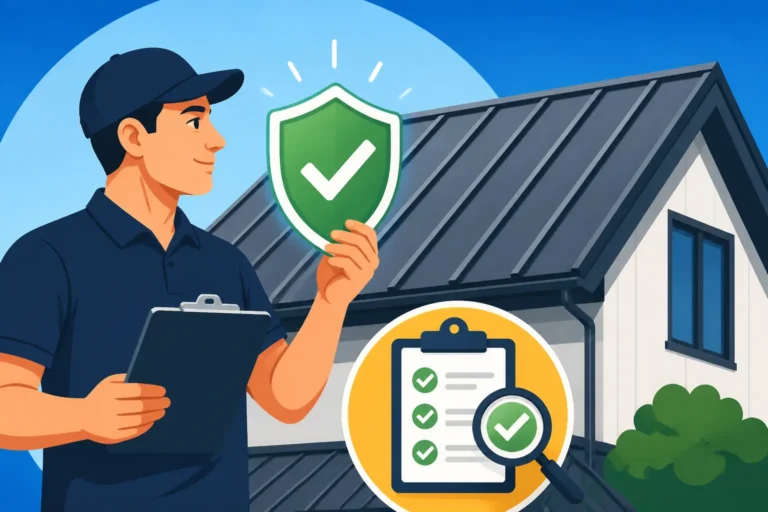
To do this, head to the L&I website and navigate to their "Verify a Contractor" tool. You'll typically be able to search using the contractor's registration number (which you should always ask for), their business name, or even their personal name if they operate as a sole proprietor. Once you input the information, the system will display their current status. Look for an "Active" status. This confirms their registration is current. The details shown will also include their bond amount and whether their liability and workers' compensation insurance are active. You can even see their license history, including any previous complaints or violations, which can be incredibly telling. If their status is "Inactive," "Suspended," or "Revoked," or if no record is found, run, don't walk, in the other direction. This simple online check is a powerful tool to protect yourself from a "How to Spot an Underqualified Metal Roofer" scenario. For added convenience, platforms like Modernize can help streamline this entire process, connecting you with pre-vetted, licensed contractors in your area, taking some of the guesswork out of the initial search.
Beyond the L&I Check: Additional Due Diligence
While the L&I website is crucial, it's just one piece of the puzzle. A thorough vetting process involves a few more steps to ensure you're hiring the best possible team for your metal roof project. Remember, you're making a significant investment, so a little extra legwork now can save you major headaches and expenses later.
First, always ask for references. Speak to previous clients about their experience with the contractor. Ask about communication, adherence to timelines, quality of work, and how any issues were handled. A reputable contractor will be proud to share a list of satisfied customers. You might even want to drive by some of their completed projects to see their work firsthand. Next, check online reviews on platforms like Google, Yelp, and the Better Business Bureau (BBB). While individual reviews can sometimes be subjective, a pattern of positive or negative feedback is a strong indicator of a contractor's reliability and quality. Be wary of contractors with no online presence or a slew of generic, overly positive reviews that seem fake.
Finally, always confirm that they will pull the necessary permits for your roofing project. In Washington, most significant roof replacements require a permit from your local building department to ensure the work meets local building codes and safety standards. A legitimate contractor will handle this process for you. If a contractor suggests skipping the permit, consider it a massive red flag. No permit means no official inspection, leaving you vulnerable to substandard work and potential issues when you try to sell your home. It’s also wise to get multiple estimates, allowing you to compare "How to Read and Compare Metal Roof Quotes" apples to apples, and to understand the "Metal Roof Cost: Complete 2026 Guide" for your specific project.
The Risks of Hiring an Unlicensed Roofer
It might seem tempting to go with the lowest bid, especially if it comes from an unlicensed individual. They often offer significantly cheaper rates because they bypass the costs associated with licensing, bonding, insurance, and proper business operations. However, this seemingly "cheaper" option is almost always a false economy that can lead to catastrophic financial and structural consequences for your home.
Financial Vulnerability and No Recourse
The most immediate and severe risk of hiring an unlicensed roofer is your complete financial vulnerability. If the work is substandard, damaging your property or leading to leaks, you'll have virtually no legal recourse. Without a bond, there's no financial protection to claim against. If the contractor disappears midway through the job or refuses to fix shoddy work, you'll be left holding the bag, paying another contractor to finish or fix the original mess, essentially paying twice.
Even worse, if a worker is injured on your property, you, the homeowner, could be held personally liable for their medical expenses, lost wages, and pain and suffering. This is a common and terrifying scenario. Unlicensed contractors often don't carry workers' compensation insurance, meaning their injured employees can come after your homeowners' insurance, or even your personal assets. This risk alone should be enough to deter anyone from hiring an unlicensed individual. It’s not just about the roof; it’s about protecting your entire financial future. When considering the "Normal Deposit and Payment Schedule for a Roof," be extra cautious with requests for large upfront payments from unknown entities.
Substandard Workmanship and Warranty Voiding
Unlicensed roofers often lack the necessary training, expertise, and commitment to industry standards. This frequently translates into substandard workmanship. They might cut corners, use inferior materials, or employ improper installation techniques, all of which compromise the integrity and lifespan of your new roof. A roof installed incorrectly might leak, succumb to wind damage, or fail prematurely, necessitating expensive repairs or even a full replacement much sooner than anticipated. This negates any initial savings you thought you were getting.
Furthermore, manufacturer warranties for roofing materials often stipulate that the product must be installed by a licensed and certified professional. If an unlicensed roofer installs your metal roof, the manufacturer's warranty could be completely voided from day one. This means if the materials themselves fail, you have no recourse with the manufacturer. Add to that the fact that an unlicensed contractor typically offers no "Metal Roof Warranties: Workmanship vs Manufacturer" of their own, and you're left with zero protection. Your significant investment in a durable material like metal could be completely unprotected, turning your dream roof into a costly nightmare.
Key Washington State Roofing Contractor Requirements
To help you keep track, here's a quick overview of the essential requirements for roofing contractors in Washington State.
| Requirement | Description | Why It Matters for You |
|---|---|---|
| L&I Registration | Contractors must register with the Washington State Department of Labor & Industries, receiving a unique UBI (Unified Business Identifier) or contractor registration number. This confirms their legal right to operate. | Ensures the contractor is officially recognized by the state and is subject to state oversight and regulations. |
| Surety Bond | General contractors typically need a $12,000 bond, while specialty contractors (including roofers) require a $6,000 bond. This bond is held by a third-party bonding company. | Provides financial protection for homeowners if the contractor fails to complete work, performs poor quality work, or doesn't pay sub-contractors or suppliers. You can file a claim against this bond. |
| General Liability Insurance | Minimum coverage amounts vary, but contractors must carry commercial general liability insurance to cover property damage or injuries to third parties during the project. | Protects your property from accidental damage caused by the contractor or their crew during the roofing project. It also covers injuries to non-employees (e.g., a visitor to your home). |
| Workers' Compensation Insurance | If the contractor has employees, they must carry workers' compensation insurance through L&I or a self-insured program. | Absolutely critical. Protects you from being financially liable if a contractor's employee gets injured on your property. This ensures the injured worker's medical bills and lost wages are covered by the contractor's insurance, not yours. |
| Business License | In addition to L&I registration, contractors typically need a general business license from the State of Washington and may require specific local city or county business licenses. | Indicates that the business is operating legally at all levels, not just for contracting work. |
| Permits | For most major roof replacements or new installations, a permit from the local city or county building department is required. (This is usually pulled by the contractor.) | Ensures the roofing project adheres to local building codes and standards, and will undergo inspection, validating the quality and safety of the "Metal Roof Installation Process: Step by Step." |
It's a lot to take in, I know, but these requirements are truly there for your benefit. Don't let anyone convince you otherwise.
Disclaimer
Please remember that while this guide provides comprehensive information on what license a roofer needs in Washington State, licensing requirements and regulations can change. Always verify the most current information directly with the Washington Department of Labor & Industries (L&I) or consult with a legal professional before making any hiring decisions. This content is intended for informational purposes only and does not constitute legal advice.