Metal Roofing Contractors in Denver
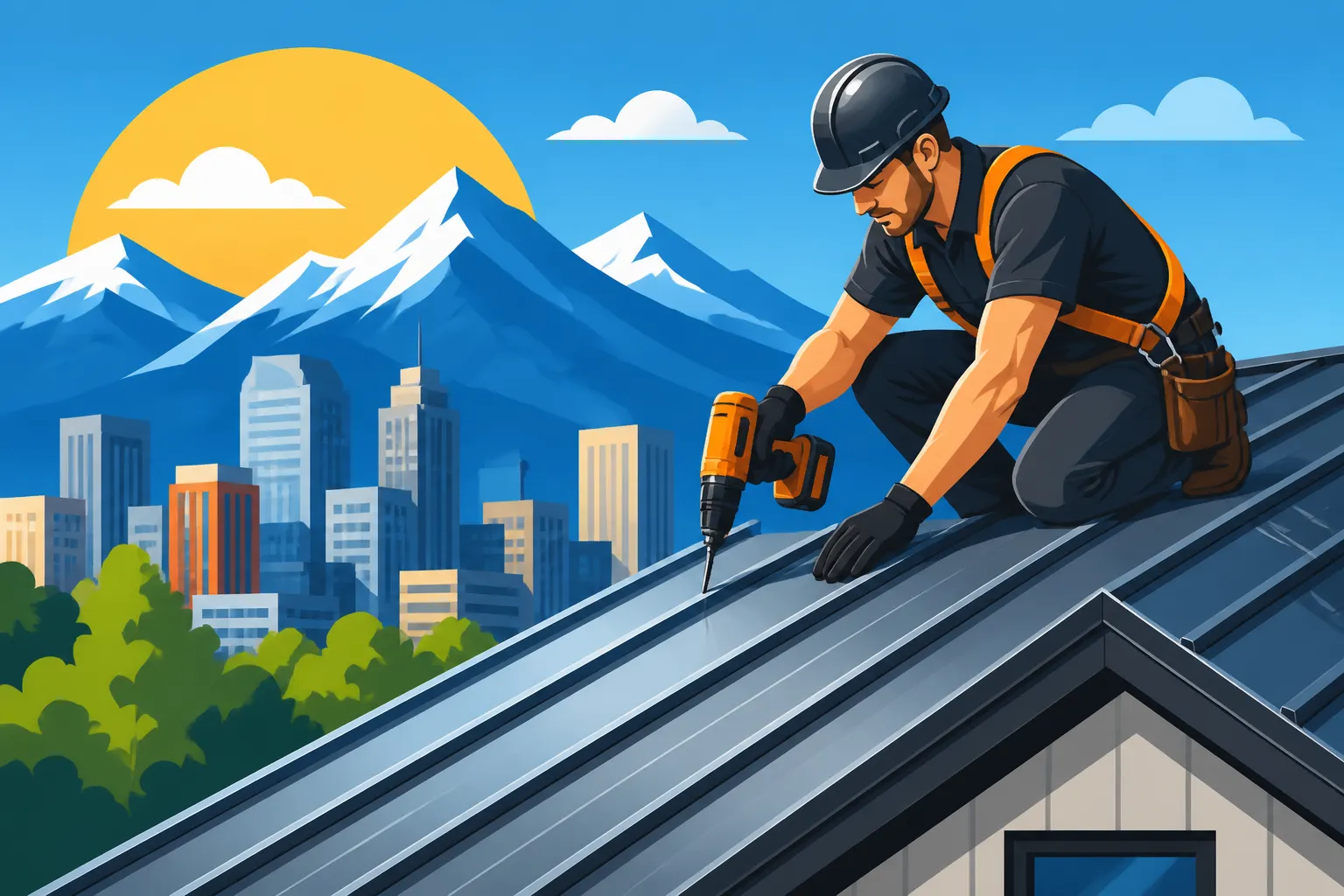
Homeowners in the Denver metro area deal with a unique cocktail of weather-related stress, from nickel-sized hail in July to heavy snow loads in January that can make a standard shingle roof fail years before its time. This guide breaks down everything you need to know about finding reliable metal roofing contractors in Denver, ensuring your home is protected against Colorado’s unpredictable elements.
Why Denver Homeowners Are Switching to Metal
If you’ve lived in Denver for more than a few seasons, you know the drill: a late afternoon thunderstorm rolls off the Rockies, and suddenly your neighborhood sounds like a war zone of ice hitting rooftops. Denver sits right in the heart of "Hail Alley," and the frequency of these storms is driving a massive shift toward metal roofing. Unlike traditional asphalt shingles, which lose their protective granules every time a storm passes, metal is designed to take a beating and keep the attic dry.
Battling Front Range Hail and Snow
The specific challenge for a Denver roof is the temperature swing. We can have a 60-degree day followed by a 10-degree night. This causes roofing materials to expand and contract rapidly. In neighborhoods like Washington Park or the Highlands, older homes often struggle with this thermal movement. A metal roof, when installed correctly with the right fasteners, handles this "thermal shock" far better than almost any other material.
Snow is the other big factor. In areas like Littleton or Highlands Ranch, heavy, wet spring snow can sit on a roof for days. If you have an asphalt roof, that moisture can seep into the shingles and freeze, causing them to crack. Metal roofs are naturally "shedding" roofs. With a proper pitch, the snow slides right off before it has a chance to turn into a massive ice dam that destroys your gutters and leaks into your drywall. When you are looking for local pros, platforms like Modernize can be a great starting point to find specialists who understand these high-altitude snow load requirements.
Long-term ROI in the Colorado Market
While the upfront cost is higher, the resale value in Denver’s competitive real estate market is significant. Buyers in neighborhoods like Cherry Creek or Stapleton are increasingly looking for "hardened" homes—properties that won't require a full roof replacement every seven to ten years due to hail claims. In fact, many homeowners find that they can recoup a large portion of the installation cost through increased home value and reduced maintenance.
Beyond just the sale price, you have to look at the Metal Roof vs Asphalt Shingles: Full Comparison to see the lifespan difference. In Denver’s dry, high-UV environment, asphalt shingles can dry out and become brittle in as little as 15 years. A quality metal roof can easily last 50 years or more, essentially making it the last roof you’ll ever buy for that property.
What to Look for in a Denver Metal Roofing Contractor
Finding a guy with a truck is easy in Denver; finding a master craftsman who specializes in metal is a different story. Metal roofing requires a completely different skill set than "nailing down shingles." It involves precision cutting, specialized flashing, and a deep understanding of how metal breathes and moves.
Understanding Local Licensing and Insurance
In Colorado, roofing contractors aren't licensed at the state level; it’s done at the city or county level. This is a critical distinction. A contractor licensed in Aurora might not have the proper credentials to pull a permit for a job in the City and County of Denver. Before you sign anything, you must verify that they hold a Supervisor Certificate and a valid contractor license for your specific municipality.
You also need to verify their insurance. Because metal roofing involves high-reaching equipment and often steeper pitches, the liability is higher. Ensure they have both general liability and workers' compensation. If a worker gets injured on your property in Thornton and the contractor isn't covered, that liability could land on your doorstep. Using a service like Modernize can help filter for contractors who have already been vetted for basic credentials, saving you hours of phone calls.
Experience with High-Altitude Installations
Denver’s altitude means the sun’s UV rays are significantly more intense than at sea level. This intensity can break down inferior paint finishes on metal panels in just a few years. You want a contractor who recommends PVDF (Kynar 500) coatings rather than cheaper SMP finishes. A contractor who mainly works in the Midwest might not realize that a finish that lasts 30 years in Ohio might only last 15 years in the intense Denver sun.
Ask potential hires about their experience with "ice and water shield" membranes. In Denver, building code requires this protection to extend from the eave's edge to a point at least 24 inches inside the exterior wall line. An experienced local roofer will know this by heart, whereas a "storm chaser" from out of state might try to cut corners to save on material costs. Make sure you check out Questions to Ask a Metal Roofing Contractor Before You Hire to ensure you're digging deep enough into their technical expertise.
The Denver Roofing Permit and Regulation Landscape
Navigating the bureaucracy of Denver's building department can be a headache, but it’s a necessary step to ensure your roof is legal and insurable. If you replace a roof without a permit, you could face massive fines when you go to sell the house, or worse, your insurance company could deny a future claim.
Navigating City and County of Denver Requirements
The City and County of Denver has strict requirements for "reroofing." One of the most important rules to know is the "two-layer rule." In many jurisdictions, you can put a new roof over an old one, but Denver is increasingly strict about this. Most metal roofing pros will tell you that a full "tear-off" is the only way to go, especially if you're switching from shingles to metal. This allows the contractor to inspect the decking for rot and ensure the new metal panels have a solid foundation.
You should also be aware of the Do You Need a Permit for a Metal Roof in Denver? process. Usually, the contractor handles this, but the homeowner is ultimately responsible. Ensure the permit is posted clearly on your property before the first panel is delivered. Once the job is done, a city inspector will need to come out and sign off on the work. Don't make the final payment to your contractor until that green "passed" tag is in your hand.
HOA Hurdles in Denver Neighborhoods
If you live in a master-planned community like Green Valley Ranch or Central Park, your Homeowners Association (HOA) likely has a say in what your roof looks like. Many Denver HOAs have historically been resistant to metal roofs, fearing they would look too "industrial" or "barn-like." However, modern metal shingles and stone-coated steel options can mimic the look of wood shakes or slate perfectly.
Before you fall in love with a specific copper standing seam, get the "Architectural Review Committee" guidelines from your HOA. Often, they will require a specific color palette—think "earth tones" like slate gray or forest green—to maintain the neighborhood aesthetic. A local contractor who has worked in your specific subdivision will often have a portfolio of "HOA-approved" installs they can show you to help speed up the approval process.
Estimating Your Metal Roofing Project in the Mile High City
Let’s talk numbers. Denver is not a cheap place to build, and roofing is no exception. Between the cost of specialized labor and the price of high-grade steel or aluminum, you need to have a realistic budget.
Labor vs. Material Costs in Colorado
In Denver, labor often accounts for 50% to 60% of your total bill. Why? Because the labor market here is tight, and skilled metal smiths are in high demand. Furthermore, the complexity of Denver's architecture—with its many Gables, dormers, and steep pitches in older neighborhoods—requires more time-intensive work.
Material costs fluctuate based on global steel prices, but for a standard 2,000-square-foot home in a suburb like Lakewood, you can expect to pay a premium compared to asphalt. To get a better sense of the numbers, look at the Metal Roof Cost for a 2,000 Sq Ft House guide.
| Metal Type | Est. Price per Sq. Ft. (Installed) | Best Denver Neighborhood Fit |
|---|---|---|
| Corrugated Steel | $7.00 – $12.00 | Barns, detached garages, modern ADUs |
| Standing Seam | $12.00 – $20.00 | Modern builds in LoHi, mountain-facing homes |
| Stone-Coated Steel | $10.00 – $16.00 | Suburban homes in Highlands Ranch, Centennial |
| Copper/Zinc | $25.00+ | Luxury custom builds in Cherry Hills Village |
Comparing Bids and Avoiding Scams
After a big hail storm, Denver is swamped with "door knockers." These are often sales teams from out-of-state companies that follow the storms. While some are legitimate, many are looking for a quick payout. Always get at least three bids. If one bid is significantly lower than the others, it’s a red flag—they are likely using lower-gauge metal or skipping the high-quality underlayment required for our climate.
Using a platform like Modernize allows you to compare professionals who have a steady presence in the Colorado market. A reputable contractor will provide a detailed line-item estimate that includes the "tear-off" of old materials, disposal fees, the specific gauge of the metal (24-gauge is preferred for Denver's wind speeds), and the type of ventilation they plan to install.
Specific Metal Profiles Best Suited for Denver
Not all metal roofs are created equal. Depending on where your home is located in the metro area, one style might be significantly better for you than another.
Standing Seam for Heavy Snowfall
If you are located in the foothills or an area like Genesee where snow lingers, a standing seam roof is the gold standard. In this design, the fasteners are hidden under the panels. This is crucial for Denver because it prevents "fastener back-out." As snow slides down the roof, it can catch on exposed screw heads on cheaper corrugated roofs, eventually loosening them and creating leaks.
A standing seam roof allows the metal to expand and contract freely without putting stress on the holes. It’s also the most "leak-proof" option available. You can learn more about this by reading What Is a Standing Seam Metal Roof? to see if it fits your home's aesthetic and your budget.
Stone-Coated Steel for Historic Charm
For those living in historic bungalows in Park Hill or Congress Park, a sleek standing seam might look out of place. Stone-coated steel is a fantastic middle ground. These are steel panels coated with stone granules to look like traditional shingles, clay tiles, or wood shakes. They provide the Metal Roof Insurance Savings & Discounts that come with a Class 4 impact rating while preserving the architectural integrity of an older home.
These systems are also incredibly quiet. One of the biggest myths about metal roofs is that they are noisy in the rain. Because stone-coated steel and standing seam systems use heavy-duty underlayment and are often installed over solid decking, they are actually as quiet—if not quieter—than asphalt shingles during a Denver downpour.
Maximizing Your Investment with Maintenance and Insurance
Once your new roof is on, you aren't quite done. To make sure that investment pays off, you need to be proactive with both your insurance company and your maintenance schedule.
Securing Your Insurance Discount
Before the contractor leaves the site, ask for a "Certificate of Completion" and the specific manufacturer’s documentation stating the roof's impact rating. Most metal roofs installed in Denver are Class 4 rated. Take this document straight to your insurance agent. In Colorado, many insurance providers offer a significant discount (sometimes up to 25-30%) on your premiums because the likelihood of a hail claim is so much lower.
This is where the Best Metal Roof for Snow and Cold Climates really shines. By proving to your insurer that you’ve "hardened" your home against the most common local peril, you turn your roof into a recurring savings account.
Denver-Specific Maintenance Tips
Even a "permanent" roof needs a little love. In Denver, the biggest threat to your metal roof isn't the metal itself, but the debris. Pine needles from our evergreen trees can trap moisture against the metal or clog the gutters, leading to "back-flow" under the eaves.
Twice a year—once after the spring "mud season" and once after the leaves fall in autumn—get up on a ladder (or hire a pro) to clear out the valleys and gutters. Check the flashing around your chimney and vent pipes. The sealant used in these areas can dry out in the Denver sun much faster than the metal will. A quick five-minute inspection can prevent a thousand-dollar repair down the road. Use How to Hire a Metal Roofing Contractor to find someone who offers annual maintenance packages if you aren't comfortable on a ladder.
Metal Roof Contractor Disclaimer
This guide is for informational purposes only. Roofing costs, building codes, and contractor availability in the Denver area can change rapidly due to local regulations and market conditions. Always verify a contractor's current license, insurance, and references before signing a contract or making a deposit. Individual results regarding insurance discounts and home value increases may vary based on your specific provider and neighborhood.