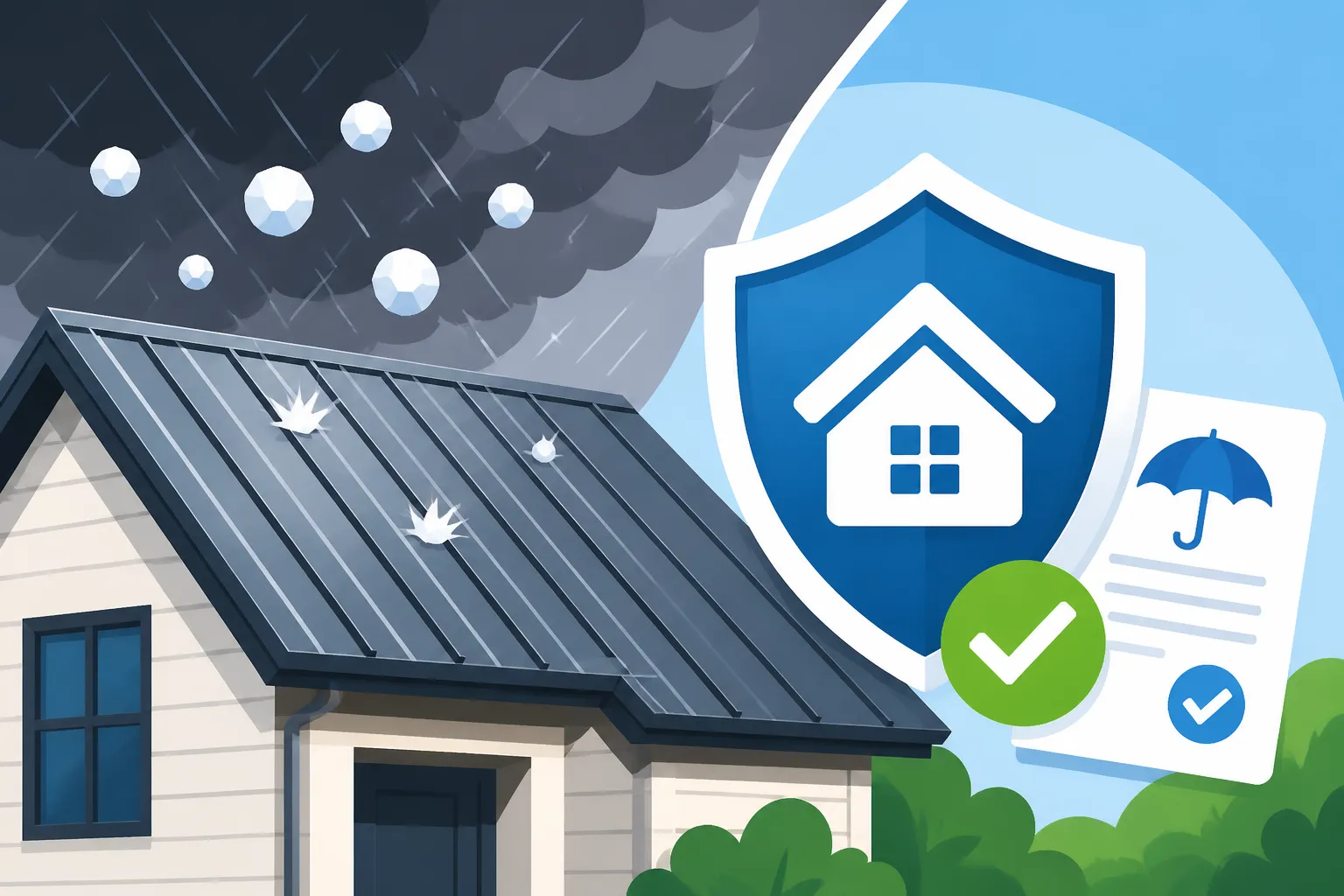
Do Metal Roofs Lower Insurance in Hail States?
Living in a hail-prone state can feel like you're constantly bracing for impact, especially when it comes to your home's most vulnerable defense: its roof. The worry about the next storm, the hassle of insurance claims, and the dreaded spike in premiums are real frustrations many homeowners face. This comprehensive guide will dive deep into whether investing in a metal roof can actually bring some peace of mind and lower your homeowners insurance costs in areas frequently hit by hail.
The Hail State Headache: Why Insurance is a Big Concern
If you've ever lived through a serious hailstorm, you know the sound of those icy projectiles hammering down on your roof is enough to make your heart sink. For folks in states like Texas, Colorado, Oklahoma, or even parts of the Midwest, hail isn't just an occasional nuisance; it's a regular, destructive force that can wreak havoc on homes and wallets alike. The constant threat of hail means that insurance companies view these regions as high-risk, leading to higher premiums and stricter policies.
Understanding Hail Damage and Traditional Roofs
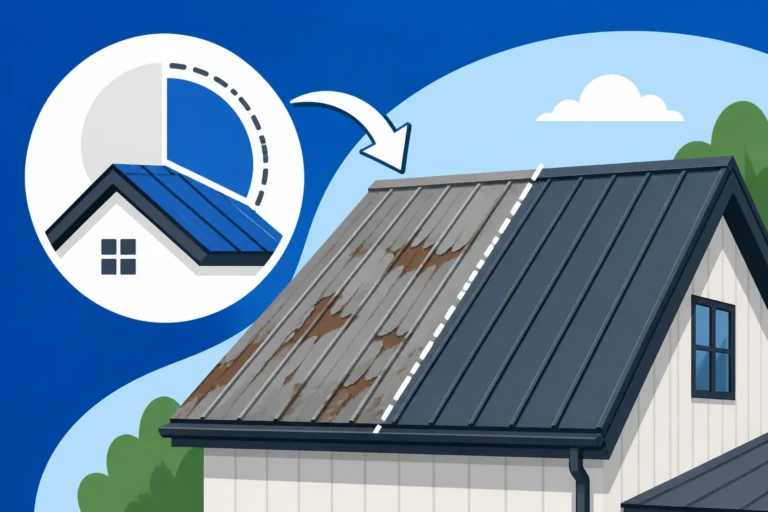
Let's be honest, traditional asphalt shingle roofs, while ubiquitous, are often no match for a good hailstorm. When hail hits shingles, it can cause granules to dislodge, create bruises or cracks in the matting, and even puncture the surface. What might look like minor cosmetic damage can actually compromise the shingle's ability to protect your home from water, drastically shortening its lifespan.
Imagine living in a suburb of Denver, Colorado, where hailstorms are a regular occurrence, sometimes several times a year. Your asphalt shingle roof, barely a few years old, might already be accumulating damage from successive storms. Each time, you're faced with the decision: file a claim and potentially see your premiums rise, or pay for repairs out of pocket, knowing another storm is likely around the corner. It's a frustrating cycle that many homeowners are desperately trying to break. The cost to repair an old roof can quickly add up, making replacement seem more appealing, but then you're back to square one with a vulnerable roof.
The Rising Cost of Homeowners Insurance in Hail-Prone Regions
Insurance companies are in the business of assessing risk, and when a region becomes known for frequent, severe weather events like hailstorms, that risk calculation changes. They track claims data meticulously, and if they see a high frequency of roof replacements due to hail, they adjust their rates accordingly. This means that homeowners in hail-prone areas often face some of the highest insurance premiums in the country.
Consider a homeowner in Dallas, Texas, or perhaps Oklahoma City, Oklahoma. Their insurance policy might have specific clauses for hail damage, higher deductibles, or even exclusions for "cosmetic" damage that doesn't affect the roof's structural integrity. These policies are designed to reduce the insurer's payout, but they can leave homeowners feeling exposed and financially burdened. It’s a constant battle to find affordable coverage that genuinely protects your investment, and it makes you wonder if there's a better, more resilient option out there for your home.
How Metal Roofs Stand Up to Hail
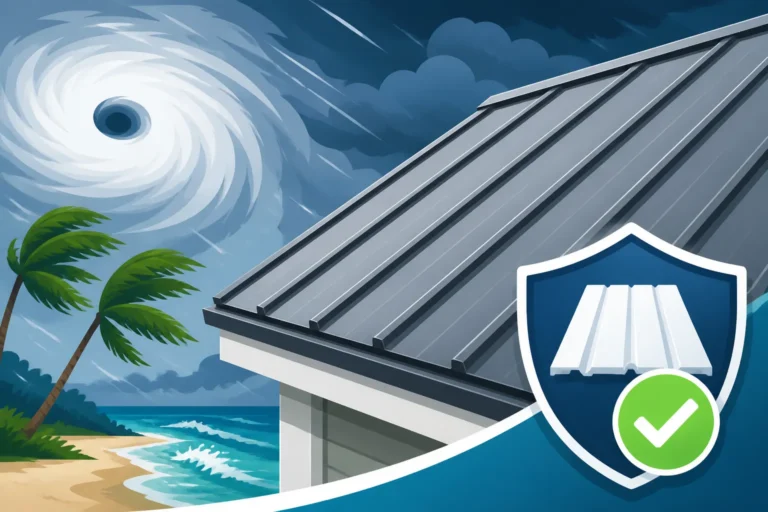
When you start looking for alternatives to traditional roofing materials, metal roofs quickly rise to the top of the list, especially if hail resistance is a primary concern. The very nature of metal — its strength, density, and flexible yet durable properties — makes it inherently more capable of shrugging off impacts that would devastate other roof types. This resilience is a huge factor in the conversation around insurance savings.
Inherent Durability and Impact Resistance of Metal
Unlike asphalt shingles that rely on granular surfacing for protection, metal roofs offer a solid, continuous surface that is far less susceptible to tearing, cracking, or granular loss. Different metal materials, like steel, aluminum, and copper, each bring their unique strengths to the table. Steel, particularly heavier gauge steel (think 24 or 26 gauge), is incredibly robust. Aluminum offers excellent resistance to corrosion, which is a big plus, and while softer than steel, it's still far tougher than shingles against impact.
One of the most significant indicators of a metal roof's hail resistance is its Class 4 Impact Resistance rating. This is a classification developed by Underwriters Laboratories (UL 2218) after rigorous testing, where a two-inch steel ball is dropped from twenty feet onto the roofing material. For a roof to earn a Class 4 rating, it must withstand two successive impacts in the same spot without cracking, puncturing, or splitting. Many metal roofing systems, especially those made from heavier gauge steel or stone-coated steel, achieve this rating, signaling their superior ability to endure severe hail. This rating alone can be a game-changer when discussing your insurance premiums.
Cosmetic Damage vs. Structural Integrity
Now, let's address the elephant in the room: dents. Yes, metal roofs can dent from large, severe hail. Nobody wants a dinged-up roof, and it's a valid concern. However, here's where the crucial distinction between cosmetic damage and structural damage comes into play. A dent in a metal panel, while perhaps aesthetically displeasing, typically does not compromise the watertight integrity of the roof. The panel is still there, still shedding water, and still protecting your home.
This is a stark contrast to an asphalt shingle roof where a hail impact might not look as dramatic as a dent but can create unseen damage (like fracturing the fiberglass mat) that leads to leaks and premature failure. Many insurance policies, especially in hail-prone states, now include "cosmetic damage exclusions" for metal roofs. This means that if your metal roof sustains dents but is still fully functional and watertight, your insurer might not cover the cost of replacing the panels for aesthetic reasons. While this can be frustrating, it also underscores the durability of metal—it's still doing its job even with a few battle scars. It's really important to understand the specifics of your policy, so don't be afraid to ask your agent about how they handle cosmetic damage to metal roofs.
The Link Between Metal Roofs and Insurance Premiums in Hail States
So, does all this talk about durability actually translate into lower insurance costs? For many homeowners in hail states, the answer is a resounding yes, though it's not always a straightforward path. Insurance companies are ultimately looking to mitigate their risk and reduce payouts, and a roof that stands up to hail better means fewer claims for them to process.
Potential Discounts and Savings
Because metal roofs often boast superior impact resistance, they represent a lower risk profile for insurers. This reduced risk frequently translates into discounts on your homeowners insurance premiums. The most common and impactful discount in hail states comes from having a Class 4 Impact-Resistant Roof Insurance Discount. If your metal roof system is certified to meet this standard, your insurance company sees you as significantly less likely to file a major roof damage claim after a hailstorm.
Beyond impact resistance, metal roofs also offer excellent wind resistance, especially systems like standing seam where fasteners are hidden and panels interlock. This can qualify you for further discounts, often linked to Wind Mitigation and Roof Premium Credits. While the exact savings vary widely by state, insurer, and even specific policy, it's not uncommon for homeowners with Class 4 rated metal roofs to see their annual premiums drop by 5% to 20% or even more. In states like Texas or Florida, where insurance costs can be exorbitant, these savings can really add up over the lifespan of your roof, which, let's remember, can be 50 years or more for a metal roof. For example, some homeowners in Dallas have reported savings of 10-15% annually after installing a standing seam metal roof.
Factors Influencing Insurance Savings
It's crucial to understand that not all metal roofs are created equal when it comes to insurance savings. Several factors play a significant role:
- Metal Type and Gauge: A thinner, more pliable metal (like 29-gauge steel often used on barns) will generally offer less hail resistance than a robust 24-gauge steel or a stone-coated steel product. Your insurer will likely consider the specific materials and thickness. You can learn more about What Affects Metal Roof Cost: Gauge, Pitch, Complexity & Tear-Off.
- Installation Quality: A properly installed metal roof, adhering to manufacturer specifications and local building codes, is paramount. Even the toughest metal won't perform if it's poorly installed. Insurers know this and may ask for proof of professional installation.
- Local Building Codes and Certifications: Some regions have specific requirements for roofing materials, especially in hurricane or hail zones. Meeting these codes and having your roof certified (e.g., UL 2218 Class 4) is key to unlocking discounts.
- Insurance Provider: This is a big one! Different insurance companies have different underwriting guidelines. Some are far more proactive in offering discounts for resilient roofing materials than others. It really pays to shop around and get quotes from multiple providers. What one company considers a minor benefit, another might see as a significant risk reduction worthy of a substantial discount.
The table below illustrates how different roofing materials typically fare against hail and their general impact on insurance in hail-prone regions.
| Roofing Material | Typical Hail Resistance | Insurance Impact (Hail States) | Common Damage from Hail |
|---|---|---|---|
| Asphalt Shingles | Low to Moderate | High premiums, few discounts | Granule loss, bruising, cracking, punctures |
| Metal (Exposed Fastener) | Moderate | Some discounts possible, lower than hidden fastener | Dents, fastener damage |
| Metal (Hidden Fastener) | High | Significant discounts, Class 4 eligibility | Dents (cosmetic), rare structural |
| Stone-Coated Steel | Very High | Significant discounts, Class 4 eligibility | Minimal dents, coating chips possible |
| Clay/Concrete Tile | Moderate to High | Moderate discounts | Cracking, breaking |
Navigating Insurance Policies and Hail Exclusions
As mentioned earlier, the "cosmetic damage exclusion" is a critical point for metal roof owners in hail states. Some policies will explicitly state that dents or dings on a metal roof that do not compromise its functional integrity are not covered. This means if a hailstorm leaves your metal roof looking a bit like a golf ball but it's still perfectly watertight, you might not get a payout for a full replacement based on appearance alone.
While this can feel like a raw deal, it's important to weigh it against the alternative: a shingle roof that might get replaced after every moderate hail event, leading to constant claims and escalating premiums. With a metal roof, you might not get a new roof for cosmetic dents, but you're also less likely to experience leaks, structural damage, or the need for constant repairs. This long-term stability is part of the overall value proposition.
Before you even think about installing a metal roof, have a frank conversation with your current insurance agent and explore options with other companies. Ask pointed questions about their specific policies regarding metal roofs and hail damage, especially concerning cosmetic exclusions. Getting this information upfront will help you make an informed decision and avoid surprises down the road. You should also inquire about Metal Roof Insurance Savings & Discounts.
Getting the Best Insurance Outcome for Your Metal Roof
Installing a metal roof is a significant investment, and maximizing your insurance benefits is a smart way to enhance your return on that investment. It’s not enough to simply have a metal roof; you need to proactively engage with your insurance provider and ensure you're taking all the necessary steps to secure those hard-earned discounts.
Essential Documentation and Communication
One of the biggest mistakes homeowners make is not communicating effectively with their insurance company before and after a major home improvement project like a new roof. Here’s what you need to do:
- Inform Your Insurer Pre-Installation: Before any work begins, contact your insurance agent. Let them know you're considering a metal roof, especially one with a Class 4 impact rating. Ask them about potential discounts, specific requirements they have for documentation, and any changes to your policy that might occur. This proactive step can prevent headaches later.
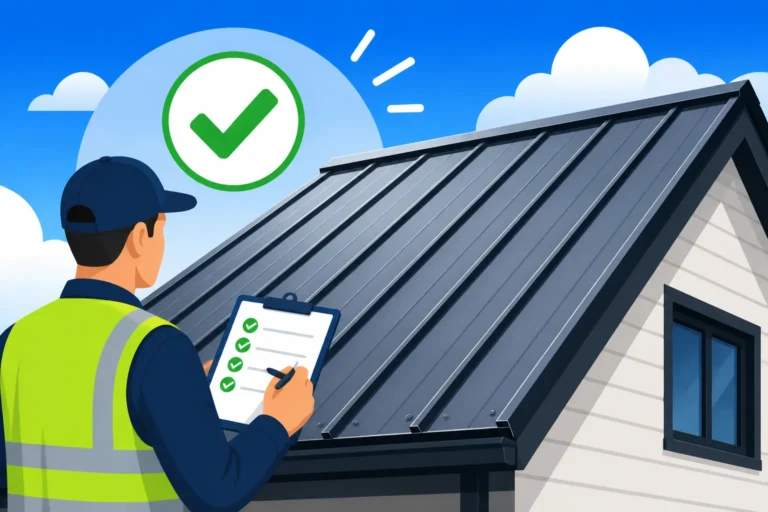
- Gather All Certifications and Documentation: Once your metal roof is installed, ensure you receive all relevant paperwork. This includes manufacturer warranties, proof of the metal's gauge and material, and critically, documentation of any certifications like the UL 2218 Class 4 Impact Resistance rating. Keep these documents in a safe place. Your contractor should provide these. Understanding Metal Roof Warranties: Workmanship vs Manufacturer is also key.
- Request a Wind Mitigation Inspection: Even if hail is your primary concern, wind mitigation inspections can often uncover features of your new metal roof (like proper fastening and underlayment) that qualify for additional discounts. These inspections are typically performed by certified professionals and can result in significant premium reductions, especially in coastal regions.
- Take Photos: Before and after photos of your new roof can serve as valuable proof of the installation and condition of your roof, should any questions arise later with your insurance company.
Choosing the Right Insurance Provider
Not all insurance companies view metal roofs through the same lens. While some have embraced the durability and longevity of metal roofing, offering attractive discounts, others may still be slower to adapt or have more restrictive policies. This means that shopping around is absolutely essential.
Don't just stick with your current provider out of habit. Get quotes from several different insurance companies. Specifically ask each one:
- "What discounts do you offer for Class 4 impact-resistant metal roofs?"
- "How do you handle cosmetic hail damage to a metal roof in your policies?"
- "Are there any specific metal roof profiles (e.g., standing seam, stone-coated steel) that qualify for better rates or additional discounts?"
You might find a significant difference in premiums and policy language between companies. For example, a company like State Farm or Farmers Insurance might have different offerings than a regional provider. It’s worth taking the time to compare How to Read and Compare Metal Roof Quotes not just for installation, but also for insurance implications. The difference in annual savings could easily outweigh any loyalty discount you receive from your current carrier. Remember, the goal is to protect your home and your finances for the long haul, and a metal roof coupled with the right insurance policy can do just that.
Disclaimer
Please note that this guide provides general information about metal roofs and insurance. Insurance policies and local regulations vary significantly by state, county, and individual insurance provider. It is always recommended to consult directly with your insurance agent or a qualified professional for advice tailored to your specific situation and location.