Metal Roof Cost vs Cost to Repair Old Roof
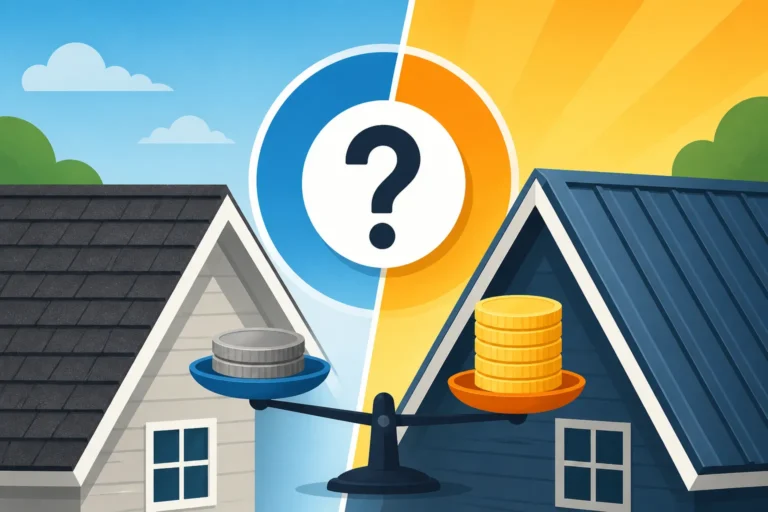
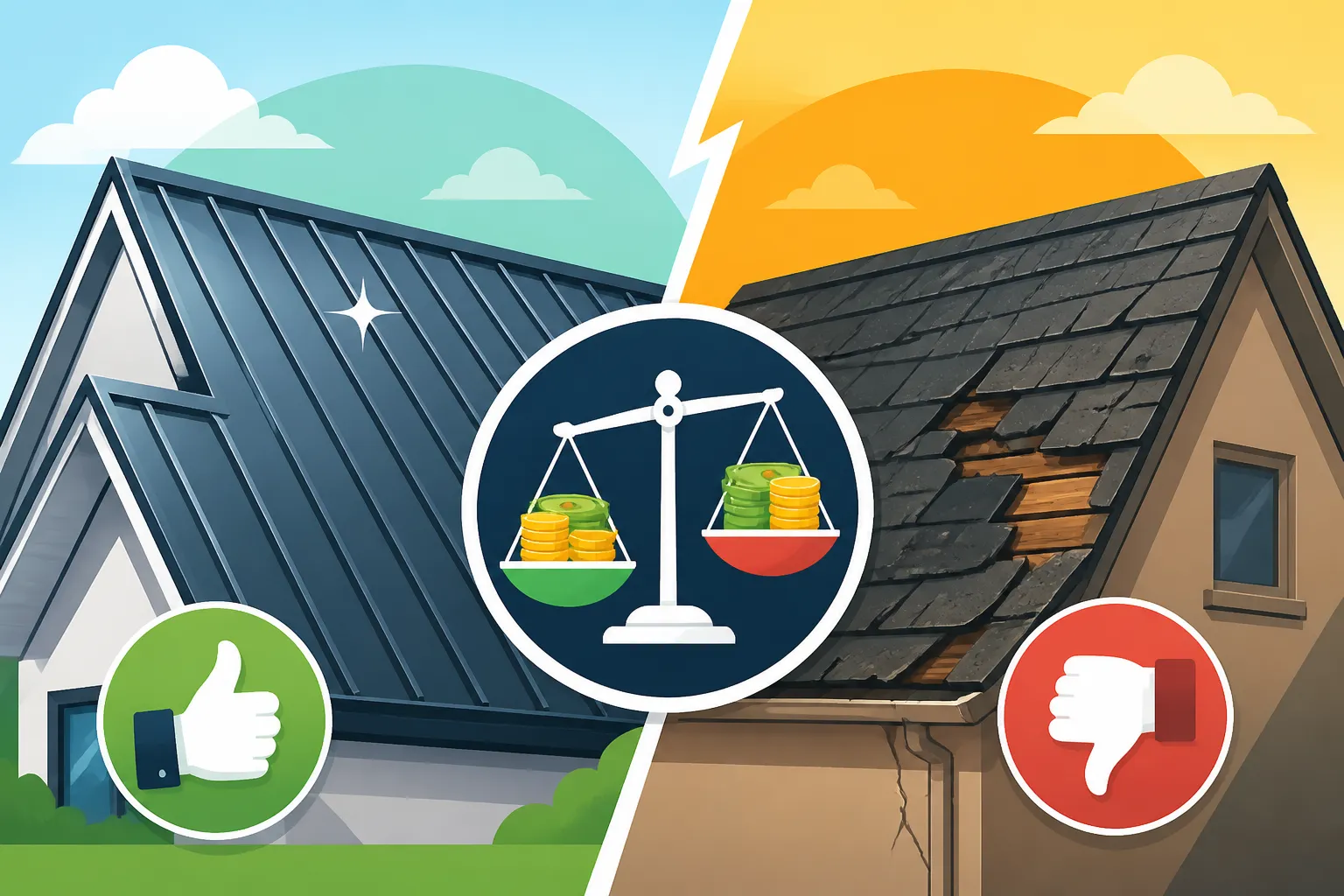
That nagging feeling when you look up at your roof and see that missing shingle or that mysterious stain on the ceiling? It’s a common homeowner headache, isn't it? The big question always looms: do I throw more money at repairs, or is it finally time to bite the bullet and invest in a whole new roof, especially a metal one? This guide is here to walk you through that tough decision, helping you weigh the metal roof cost against the cost to repair an old roof, so you can make the smartest choice for your home and your wallet.
Understanding Your Old Roof's Condition: When Repairs Just Aren't Enough
We've all been there. A small leak, a few missing shingles after a storm, and you think, "Okay, a quick fix, and we're good to go." But sometimes, those small issues are just the tip of a much larger, more expensive iceberg. It's crucial to realistically assess your existing roof's health before pouring good money after bad.
Common Warning Signs of a Failing Roof
Your roof has a way of telling you it's tired, if you know what to look for. One of the most obvious signs, especially with asphalt shingles, is curling or buckling shingles. This usually means they’re losing their granules and integrity, becoming brittle and less effective at shedding water. If you see shingles that look like little potato chips, it's a definite red flag. Another common issue is missing granules, which often appears as bald spots or excessive grit in your gutters. Those granules are your roof's first line of defense against UV rays and weather; once they're gone, the asphalt underneath is exposed and rapidly deteriorates.
Beyond the shingles themselves, look at your flashing around chimneys, skylights, and vents. If it's rusted, bent, or pulling away, it's an open invitation for water. I’ve seen countless leaks that trace back to faulty flashing, turning a seemingly minor issue into significant interior water damage. Sagging sections of your roof deck, rot, or mold growth in the attic are more severe indicators that you have significant moisture intrusion, which can compromise the structural integrity of your entire roof system. Don't forget the gutters! If they're constantly overflowing or detached, they aren't effectively moving water away, which can lead to fascia rot and foundation issues.
The Tipping Point: When Repair Costs Approach Replacement Costs
It’s easy to get caught in a cycle of repairs, especially if each individual fix seems affordable. You might pay a few hundred dollars to replace a patch of shingles this year, another few hundred for a flashing repair next year, and then a grand to fix a leak around a vent the year after that. Each time, it feels manageable. However, if your roof is older, say 15-20 years for a typical asphalt shingle roof, these sporadic costs can quickly add up. Think about it: if your roof is pushing its typical lifespan and you're looking at a repair bill of, say, $1,500 to $3,000, that’s a significant chunk of change.
Consider a scenario: a homeowner in Oklahoma City is facing extensive hail damage on a 17-year-old asphalt shingle roof. The insurance adjuster might offer a payout for repairs totaling $8,000. While that sounds like a lot for repairs, if a full replacement with a durable metal roof costs $18,000, that $8,000 repair check suddenly becomes a substantial down payment on a much longer-lasting solution. At what point do these repair costs become so substantial that they essentially just delay the inevitable, costing you more in the long run? Many experts suggest that if repair costs exceed 25-30% of the cost of a full replacement, it’s time to seriously consider replacing the entire roof. You can use a Metal Roof Cost Calculator to help estimate these figures for your home.
The Hidden Costs of Continual Repairs
Beyond the direct cash outlay for patching up your old roof, there are often hidden expenses that most homeowners don't consider until it's too late. First, there's the time and hassle of repeatedly finding and vetting contractors, scheduling repairs, and dealing with the disruption to your daily life. It's not just money; it's your valuable time. Every time a storm rolls through, you're on edge, wondering if this will be the one that finally breaks the camel's back. That stress has a cost.
Then there's the potential for escalating interior damage. A small leak that goes undetected or unrepaired for too long can lead to damaged drywall, stained ceilings, ruined insulation, and even hazardous mold growth. Fixing these interior issues often costs far more than the initial roof repair would have. Imagine having to replace a section of your living room ceiling and repaint half the room because of a leak you thought was minor. Furthermore, constant repairs can sometimes mask underlying issues with the roof deck or structural components, which only come to light during a full tear-off, making the eventual replacement even more complex and expensive. And let’s not forget the potential for reduced curb appeal or even lower resale value if potential buyers see a roof that looks like a patchwork quilt of different repairs.
Breaking Down Metal Roof Costs: What You'll Really Pay
When people hear "metal roof," they often imagine a huge price tag. While it's true that the initial investment can be higher than traditional asphalt shingles, it's essential to understand what contributes to that cost and the immense value you get in return. It’s not just a roof; it’s an asset.
Initial Material and Installation Expenses
The cost of a new metal roof is influenced by several factors, including the type of metal, the panel profile, the roof's complexity, and labor rates in your area. Generally, you can expect to pay anywhere from $8.50 to $16.00 per square foot for a new metal roof, fully installed. This range encompasses popular options like standing seam, corrugated, and metal shingle profiles. For a typical 2,000 square foot home, this could mean an investment of $17,000 to $32,000.
Materials: Different metals come with different price points. Steel is often the most budget-friendly, followed by aluminum. More premium options like copper and zinc can be significantly more expensive due to their unique properties and aesthetic appeal. The gauge, or thickness, of the metal also plays a role; a lower gauge number (e.g., 24-gauge) means thicker, more durable, and generally more expensive metal compared to a higher gauge (e.g., 29-gauge). For a deeper dive into these materials, check out our guide on Metal Roof Cost by Material: Steel vs Aluminum vs Copper vs Zinc.
Installation: This is often the largest portion of your overall cost. Metal roofing installation requires specialized skills and equipment. It's not a job for just any roofer; you want someone experienced in metal. The labor cost per square will vary depending on the local market and the complexity of your roof. Steep pitches, multiple valleys, dormers, and complex architectural features will naturally drive up labor costs as they require more time and precision. For instance, a simple gable roof will be much less expensive to install than a complex Tudor-style roof with many peaks and valleys.
Factors Influencing Metal Roof Pricing
Beyond the basic materials and labor, several other elements can significantly impact the final price of your metal roof. Understanding these helps you anticipate the total investment.
Gauge and Coating: We touched on gauge, but it's worth reiterating. Thicker metal (lower gauge) offers superior durability and dent resistance, which is a major plus, especially in areas prone to hail. The coating on your metal panels is also critical. High-performance coatings like PVDF (Kynar 500 or Hylar 5000) offer excellent color retention and fade resistance for decades, but they do add to the cost compared to simpler SMP (Silicone Modified Polyester) coatings. These coatings are what protect your roof from the elements and keep it looking fantastic year after year.
Roof Complexity and Pitch: Imagine trying to install large panels on a flat, easy-to-access roof versus a towering, multi-gabled roof with a 12/12 pitch. The latter requires more safety equipment, more specialized cutting, more flashing details, and significantly more time, all of which contribute to a higher Metal Roof Labor Cost. The presence of numerous skylights, chimneys, or other penetrations also increases complexity, as each one needs meticulous flashing to prevent leaks.
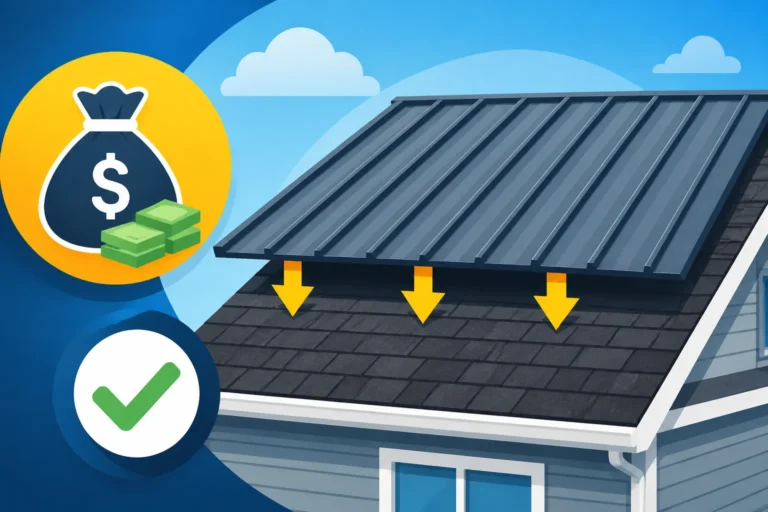
Tear-Off vs. Metal Over Shingles: If you’re replacing an existing roof, you’ll have to decide whether to tear off the old material or install the metal roof directly over it. A tear-off adds costs for labor and disposal but can be necessary if your old roof is severely damaged, has too many layers, or has structural issues. Installing over existing shingles can save on tear-off costs and even add an extra layer of insulation, but it's not always an option. Our guide on Tear-Off vs Metal Over Shingles: Cost Difference can give you more insights.
Long-Term Value and ROI of Metal Roofing
While the upfront cost might seem daunting, the long-term value and return on investment (ROI) of a metal roof are incredibly compelling. This is where metal roofing truly shines. A well-installed metal roof can last 40 to 70 years, sometimes even longer, which is 2-3 times the lifespan of traditional asphalt shingles. This extended lifespan means you might never have to replace your roof again, saving you the expense and hassle of multiple future replacements.
Consider the energy efficiency. Many metal roofs come with cool pigment technology and highly reflective finishes, which can reduce your cooling costs by reflecting solar radiant heat. This is especially beneficial in warmer climates like Florida or Arizona. You can read more about this in our guide on Metal Roof Cost vs Lifespan Value. Furthermore, metal roofs are incredibly durable. They are highly resistant to fire, rot, mildew, insects, and extreme weather, including high winds and hail. This durability often translates into insurance savings, with some companies offering discounts for impact-resistant or fire-resistant metal roofs. Check out Metal Roof Insurance Savings & Discounts to learn more. And when it comes to selling your home, a metal roof is a major selling point, often increasing home value and curb appeal, leading to a strong return on your investment.
The Financial Deep Dive: Comparing Repair vs. Replacement Scenarios
Now that we understand both sides of the coin – the immediate relief of repairs versus the long-term investment of a new metal roof – let's crunch some numbers and see how these scenarios play out financially over time. This isn't just about today's bill; it's about your financial well-being for decades to come.
Short-Term Savings vs. Long-Term Investments
The most obvious appeal of repairing an old roof is the immediate cost savings. A repair might set you back a few hundred or a couple of thousand dollars, which is far less than the tens of thousands a new metal roof might cost upfront. This can be a lifesaver if funds are tight, or if you're planning to move within the next year or two and just need a temporary fix to get by. It’s like putting a band-aid on a wound – it works for a little while.
However, this "short-term savings" often comes with a hidden premium in the long run. If your roof is nearing the end of its life, those periodic repairs become more frequent and more extensive. You might save $10,000 this year by repairing instead of replacing, but if you end up spending $2,000 every other year for the next five years, and then still need a full replacement for $20,000, you’ve actually spent $30,000 in total over that period, plus endured five years of roofing headaches. A metal roof, while a larger initial outlay, is a one-time investment that can span 50 years or more. Over that half-century, you would likely replace an asphalt shingle roof 2-3 times, costing you significantly more in cumulative replacement expenses.
Calculating the Break-Even Point
The "break-even point" is that magical moment when the cumulative cost of repeated repairs finally surpasses the cost of a full replacement, or when the long-term savings of a metal roof (like energy efficiency and avoided future replacements) make its initial higher cost worthwhile. This calculation depends heavily on the lifespan of your current roof, the projected frequency and cost of future repairs, and the specific cost of a new metal roof.
Let's imagine you have a 15-year-old asphalt shingle roof with an expected lifespan of 20 years. A new metal roof costs $25,000.
- Scenario 1 (Repair): You decide to repair a leak for $1,500. Two years later, you have another issue, costing $2,000. Another year, a storm hits, $3,000 in damage. By year 20, you've spent $6,500 in repairs, and your roof is still failing. You then need a full replacement for $25,000. Total cost: $31,500 over five years, plus another $25,000 for the subsequent roof.
- Scenario 2 (Replace): You invest $25,000 in a metal roof now. Assuming it lasts 50 years, your annual cost is $500.
The table below illustrates a hypothetical comparison over 30 years for a 2,000 sq ft home:
| Factor | Old Asphalt Shingle Roof (Repair + Replace) | New Metal Roof (Initial Install) |
|---|---|---|
| Initial Cost (Year 0) | $2,500 (major repair) | $20,000 (installed) |
| Year 5 Repair (minor) | $1,000 | $0 |
| Year 10 Replacement | $18,000 (average asphalt replacement) | $0 |
| Year 15 Repair (minor) | $1,000 | $0 |
| Year 20 Repair (minor) | $1,000 | $0 |
| Year 25 Replacement | $22,000 (another asphalt replacement) | $0 |
| Total Cost Over 30 Years | $45,500 | $20,000 |
| Estimated Lifespan | 30 years (2 roofs + repairs) | 50-70 years (1 roof) |
Note: These are illustrative figures. Actual costs will vary by location, roof size, material, and contractor.
As you can see, the break-even point for a metal roof can come surprisingly quickly when factoring in the inevitable cycle of repair and replacement for traditional materials. Many homeowners find that a metal roof becomes the more economical choice within 10-15 years, especially considering the added benefits. For those who plan to stay in their home long-term, the investment is almost always justified.
Real-World Examples and Case Studies
Let's look at a couple of scenarios. Sarah, a homeowner in Dallas, had an asphalt shingle roof that was 18 years old. She had been dealing with persistent leaks around a skylight and a few areas of granule loss. Her repair quotes ranged from $2,500 to $4,000 to address the immediate issues, with no guarantee that other problems wouldn't crop up next year. A local contractor, a specialist in Metal Roofing Contractors in Dallas, provided a quote of $28,000 for a new standing seam metal roof. Initially, $28,000 felt like a massive jump from $4,000. However, Sarah factored in that her current roof would likely need full replacement in another 2-5 years anyway, costing her another $15,000-$20,000 then. By choosing the metal roof now, she eliminated the immediate repair cost, avoided a future asphalt replacement, and gained a roof that offered a 50-year warranty, knowing she wouldn't have to worry about roofing for the rest of her time in the home.
Another example is David in Houston, who owned a home with a low-slope roof that was constantly getting damaged by standing water and high winds. He was looking at expensive, specialized flat roof repairs every few years, each costing him between $3,000 and $5,000. After considering the cumulative repair costs and the stress, he opted for an R-panel metal roof, which is excellent for low-slope applications. While the initial investment was around $15,000 for his 1,500 sq ft house, he immediately saw a reduction in his insurance premiums and gained peace of mind knowing the metal could easily handle Houston's torrential rains and strong hurricane-force winds. The switch effectively turned a recurring expense into a one-time, durable solution.
Beyond the Dollars: Other Factors to Consider
While cost is a massive driver in any home improvement decision, especially something as significant as a roof, it's really just one piece of the puzzle. When weighing metal roof cost vs. cost to repair old roof, you need to consider the broader implications for your home, your lifestyle, and even the planet.
Durability and Lifespan
This is where metal roofs truly pull ahead. Most asphalt shingle roofs, even the good architectural ones, have a lifespan of 20-30 years, often less if you live in an area with extreme weather like intense sun, heavy snow, or frequent hailstorms. You might find yourself replacing them every 15-20 years. In contrast, a properly installed metal roof can last 40-70 years, with some materials like copper potentially lasting over 100 years. That's right, 100 years! This incredible longevity means a metal roof is often the last roof you'll ever buy for your home.
Think about the sheer resilience. Metal roofs are virtually impervious to fire, a huge safety benefit. They stand up to high winds like a champion, often rated to withstand gusts of 140 mph or more, making them ideal for coastal areas prone to hurricanes. Hail damage, while possible with thinner gauges, is often just cosmetic and doesn't compromise the roof's integrity, especially with robust options like 24-gauge standing seam panels. When you opt for a metal roof, you're investing in unparalleled protection and peace of mind for decades. If you're comparing options, our guide on Metal Roof Lifespan: How Long Do They Last? offers an in-depth look.
Energy Efficiency and Environmental Impact
Many homeowners are surprised to learn how energy-efficient metal roofs can be. Traditional dark asphalt shingles absorb a lot of solar radiation, transferring that heat into your attic and home, forcing your air conditioner to work harder. Metal roofs, especially those with lighter colors or specialized reflective coatings (like cool pigment technology), are designed to reflect a significant portion of the sun's energy. This can lead to substantial savings on your cooling bills, especially in hot climates. Some studies suggest a metal roof can reduce cooling costs by 10-25%.
From an environmental perspective, metal roofing is an incredibly green choice. Most metal roofing materials, like steel and aluminum, contain a high percentage of recycled content, often 25% to 95% depending on the material and manufacturer. At the end of their exceptionally long life, metal roofs are 100% recyclable, unlike asphalt shingles, which contribute billions of pounds of waste to landfills annually. Choosing metal means you’re reducing your carbon footprint and making a sustainable choice for your home and the planet. Plus, if you're ever interested in adding solar, solar panels on a metal roof are a fantastic combination.
Aesthetics and Home Value
Let's be honest, how your home looks matters, and the roof plays a huge role in that curb appeal. While older corrugated metal roofs might bring to mind barns, modern metal roofing has come a long, long way. Today's metal roofs come in an incredible array of styles, colors, and finishes that can mimic traditional materials like slate, tile, and wood shakes, or offer sleek, contemporary lines with a standing seam profile. You can find options to complement any architectural style, from classic colonial to modern minimalist.
This enhanced aesthetic appeal, combined with the proven durability and energy efficiency, significantly boosts your home's value. When it comes time to sell, a metal roof is a premium feature that immediately signals quality, longevity, and low maintenance to potential buyers. Real estate studies often show that homeowners can recoup a very high percentage of their metal roof investment, sometimes even over 100%, through increased resale value. It's not just a home improvement; it's a home asset that pays dividends. Consider checking out Is a Metal Roof Worth It? ROI, Resale & Payback to delve deeper into these financial benefits.
Navigating the Decision: Getting the Right Quotes and Advice
The decision to repair or replace your roof with metal is a big one, and it's essential to approach it systematically. You need accurate information, reliable estimates, and trustworthy professionals to guide you.
Why Multiple Bids are Crucial
Never, ever settle for just one estimate, whether you're looking at a repair or a full replacement. Getting at least three detailed quotes is absolutely crucial. Different contractors might have varying expertise, preferred materials, and pricing structures. One contractor might specialize in affordable corrugated metal roof systems, while another is a wizard with high-end standing seam. By comparing multiple bids, you gain a clearer understanding of the fair market value for the work, the different options available, and the scope of work each company proposes.
When reviewing bids, don't just look at the bottom line. Scrutinize what's included and excluded. Is tear-off included? What type of underlayment is specified? What are the warranty terms? Are all flashing and ventilation components listed? A low bid might seem appealing but could be cutting corners on materials or labor, leading to headaches down the road. Conversely, a higher bid might include superior materials, a longer warranty, or a more experienced installation crew. Comparing apples to apples is key. Our article on How to Read and Compare Metal Roof Quotes can really help you with this.
Questions to Ask Potential Contractors
Choosing the right contractor is paramount, especially for a significant investment like a metal roof. Here are some essential questions to ask:
- Are you licensed, bonded, and insured? This is non-negotiable. Request proof of all three. A licensed contractor adheres to industry standards. Bonding protects you if they fail to complete the job, and insurance protects you from liability if a worker is injured on your property. For details, refer to Metal Roof Contractor Licensing, Bonding & Insurance.
- How much experience do you have with metal roofing specifically? Metal roofing requires different skills and equipment than asphalt. You want a contractor who specializes in it. Ask to see examples of their past metal roof installations.
- Can you provide references? Speak to previous clients about their experience with the contractor’s communication, professionalism, and quality of work.
- What type of warranty do you offer? This includes both the manufacturer’s warranty on the materials and the contractor’s workmanship warranty. Understand the terms, duration, and what situations void the warranty. Check out Metal Roof Warranties: Workmanship vs Manufacturer.
- What is your process for handling unexpected issues? Sometimes, during a tear-off, dry rot or other structural damage is discovered. How will they communicate this, and how will it affect the timeline and cost?
- Who pulls the permits? Typically, the contractor should handle all necessary permits. This ensures the work meets local building codes and passes inspection.
Understanding Warranties and Guarantees
Warranties for metal roofs are often a huge advantage, but they can be complex. You'll generally encounter two types:
- Manufacturer's Warranty (Material Warranty): This covers the integrity of the metal panels and their coatings. These warranties are usually very long, often 20 to 50 years, and sometimes even lifetime. They protect against issues like rust-through, excessive fading, chalking, or cracking of the paint finish. It's important to understand what voids these warranties, such as improper installation or using incompatible materials. Many reputable manufacturers like Sheffield Metals, McElroy Metal, or Englert offer robust warranties.
- Workmanship Warranty (Contractor's Warranty): This covers the installation itself. Even the best materials won't perform if installed incorrectly. A good contractor will offer a workmanship warranty, typically ranging from 5 to 25 years. This guarantees that if issues arise due to their installation error (like leaks from improper flashing), they will fix it at no additional cost.
Always get all warranty information in writing and understand the conditions. A strong warranty package provides significant peace of mind and protection for your investment.
Disclaimer
Please note that the information provided in this article is intended for general informational purposes only and does not constitute professional advice. Roofing costs, material availability, local building codes, and contractor rates can vary significantly based on your geographic location, the specific characteristics of your home, and market conditions. We strongly recommend consulting with multiple qualified, licensed, and insured roofing professionals in your area for personalized estimates and advice tailored to your specific situation. Always verify contractor credentials and review all contracts and warranties carefully before making any decisions.