How Long Does a Corrugated Metal Roof Last?
It's completely normal to wonder how long a major investment like a roof will truly last, especially when you're looking at something as durable-sounding as a corrugated metal roof. There’s a lot of conflicting information out there, and you want to ensure you're making a wise choice that stands the test of time, not just for a few years, but for decades. This comprehensive guide will break down exactly what you can expect from a corrugated metal roof's lifespan, exploring the various factors that either help it endure or cause it to falter, and how you can maximize its longevity.
Understanding Corrugated Metal Roofing
When you hear "corrugated," your mind might immediately go to older barns or industrial buildings, and for good reason! This profile has been a workhorse for a long time, celebrated for its practical design and robust nature. But modern corrugated metal roofing has evolved significantly, offering aesthetic appeal and enhanced performance for residential homes, too.
What is Corrugated Metal Roofing?
At its heart, corrugated metal roofing is characterized by its distinctive wavy, rippled, or fluted pattern. This series of alternating ridges and grooves isn't just for looks; it's a structural design that adds incredible strength and rigidity to thin metal sheets. Imagine trying to bend a flat piece of paper versus a folded, corrugated one – the latter is much harder to deform, right? That's the principle at play here.
Most commonly, corrugated panels are made from steel, specifically galvanized or Galvalume steel, which we'll dive into more depth on shortly. You'll also find aluminum corrugated options, especially in coastal regions where salt air is a concern. The manufacturing process involves cold-rolling flat metal sheets through a series of dies to create the signature wavy profile. These panels are then typically coated with protective layers, including paint finishes, to enhance their durability, aesthetics, and resistance to the elements. Their lightweight nature combined with their strength makes them a popular choice for a variety of structures, from sheds and agricultural buildings to modern homes and commercial properties.
Key Advantages of Corrugated Panels
The popularity of corrugated metal roofing isn't just a fluke; it's built on a foundation of solid advantages that make it a compelling choice for many homeowners. One of its primary benefits is its exceptional strength-to-weight ratio. The corrugated shape distributes stress evenly, meaning a relatively thin, lightweight panel can withstand significant loads, whether it's heavy snow or strong winds. This often translates to less stress on your home's underlying structure and can sometimes simplify installation, as crews don't need to haul extremely heavy materials.
Another significant advantage is its cost-effectiveness. Generally speaking, corrugated metal roofing tends to be one of the more affordable metal roofing options available, particularly when compared to higher-end choices like standing seam. This is often due to simpler manufacturing processes and quicker installation times, which can reduce labor costs. The exposed fastener system, while having its own considerations, contributes to the ease and speed of installation, making it a favorite for those looking for a durable solution without breaking the bank. Its versatility means it can adapt to various architectural styles, offering both a traditional, rustic look and a more contemporary industrial aesthetic, depending on the finish and color chosen.
Typical Lifespan Expectations for Corrugated Metal Roofs
Now for the burning question: how long does a corrugated metal roof really last? The honest answer is, it depends! While the corrugated profile is incredibly robust, the actual lifespan is heavily influenced by the material it's made from and the quality of its protective coatings.
The Average Lifespan Range
When properly installed and maintained, you can generally expect a corrugated metal roof to last anywhere from 20 to 70 years, and sometimes even longer. That's a huge range, right? To put that into perspective, traditional asphalt shingle roofs typically last between 15 and 30 years. So, even at the lower end of the metal roofing spectrum, you're usually getting double the life of a standard shingle roof. The reason for this broad range lies predominantly in the core material used and the specific protective layers applied during manufacturing. Thinking about replacing your existing shingles with metal? You might find our guide on the "Cost to Replace Shingles With a Metal Roof" helpful for understanding the investment.
Factors Influencing Longevity by Material
Let's break down the common materials used for corrugated panels and what you can expect from each:
-
Galvanized Steel: This is often the most budget-friendly option and has been around for ages. Galvanized steel has a protective coating of zinc applied to the steel core, which acts as a sacrificial layer, corroding before the steel itself. The lifespan of galvanized corrugated panels varies widely based on the thickness of this zinc coating. Thicker coatings, measured in designations like G60 or G90 (meaning 0.60 or 0.90 ounces of zinc per square foot), will last longer. Generally, you can expect a galvanized corrugated roof to last 20 to 40 years. Over time, especially in harsher environments, the zinc coating will deplete, leading to visible rust if not maintained.
-
Galvalume Steel: A step up in protection and longevity from traditional galvanized steel, Galvalume is a steel sheet coated with an alloy of 55% aluminum and 45% zinc. This combination offers the best of both worlds: the galvanic protection of zinc and the barrier protection of aluminum. The aluminum-zinc alloy provides superior corrosion resistance, especially against rust. Galvalume corrugated roofs typically last 30 to 60 years, with many lasting much longer in favorable conditions. It's an excellent balance of cost and performance.
-
Aluminum: If you're looking for maximum rust resistance, particularly in coastal areas or regions with high humidity and rainfall, aluminum is a fantastic choice. Aluminum is naturally corrosion-resistant; it doesn't rust in the same way steel does. Instead, it forms a protective oxide layer when exposed to air. Corrugated aluminum roofs are lightweight and incredibly durable, often lasting 50 to 70+ years. The main drawback is typically a higher initial material cost compared to galvanized or Galvalume steel.
-
Copper and Zinc: While less common for standard corrugated profiles due to their premium cost, copper and zinc are also used in some high-end metal roofing applications and offer exceptional longevity, often exceeding 100 years. They develop a beautiful, distinctive patina over time, which further protects the metal. If you're interested in the ultimate in durability and aesthetic appeal, you might explore "Copper Roof Cost" or "Zinc Roof Cost" to see if these materials are right for you. For typical corrugated installations, though, steel and aluminum are the prevalent choices.
Critical Factors Affecting Corrugated Metal Roof Durability
Beyond the basic material, several other crucial elements play a significant role in determining how long your corrugated metal roof will stand up to the elements. Ignoring these can drastically shorten even the highest-quality roof's life.
Material Quality and Gauge
The old adage "you get what you pay for" holds particularly true with metal roofing materials. The quality of the metal itself, and specifically its thickness (or gauge), are paramount.
-
Gauge Explained: Metal roofing gauge refers to the thickness of the metal. Counterintuitively, the lower the gauge number, the thicker the metal. So, a 24-gauge panel is thicker and more robust than a 29-gauge panel. For residential corrugated roofing, you'll most commonly find 29-gauge, 26-gauge, and sometimes 24-gauge options.
- 29-gauge is typically the thinnest and most economical. It's common for agricultural buildings or light commercial use, but for residential applications, it may be more susceptible to denting from hail or heavy impacts. Its lifespan might be on the lower end of the spectrum if not paired with excellent coatings and ideal conditions.
- 26-gauge offers a good balance of cost and durability for most residential projects. It provides better resistance to hail, wind uplift, and general wear compared to 29-gauge.
- 24-gauge is the thickest and most durable option for corrugated panels, offering superior impact resistance and longevity. It's often chosen for commercial applications or homes in areas prone to severe weather.
Choosing the right gauge is a balance of budget and expected performance. A deeper dive into this can be found in our article "24 vs 26 Gauge Metal Roof: Cost Difference".
-
Coating Systems and Paint Finishes: The protective paint system applied to galvanized or Galvalume steel panels is just as important as the metal itself. These coatings shield the metal from UV radiation, moisture, and pollutants, preventing fading, chalking, and premature corrosion.
- PVDF (Polyvinylidene Fluoride) coatings, often branded as Kynar 500 or Hylar 5000, are considered the industry gold standard. They offer excellent color retention, chalk resistance, and durability, often carrying warranties of 30-40 years against fading and chalking.
- SMP (Siliconized Modified Polyester) coatings are a more economical option. While good, they typically don't perform as well as PVDF in terms of color retention and chalk resistance over the very long term, often having 20-25 year warranties.
A high-quality coating system is crucial for a corrugated roof to reach its maximum potential lifespan, as it's the first line of defense against the elements. If these coatings fail prematurely, the underlying metal is exposed, accelerating deterioration.
Installation Quality and Workmanship
Even with the best materials, a corrugated metal roof is only as good as its installation. This is where the skill and experience of your roofing contractor truly shine, or unfortunately, where corners can be cut that lead to early failures.
-
Improper Fastening: Corrugated metal roofs primarily use exposed fasteners – screws that go directly through the panel and into the roof deck or purlins. Each screw has a washer, usually made of neoprene or EPDM, that creates a watertight seal. Common installation mistakes include:
- Over-tightening: This can crush the washer, making it ineffective and prone to cracking, or even dimple the metal panel itself, creating a water trap.
- Under-tightening: This leaves the washer too loose, allowing water to seep past it.
- Incorrect screw placement: Screws should be placed on the flats of the corrugated panel, not the ridges, for proper sealing and structural integrity.
- Using wrong screws: Non-UV-resistant washers or screws that aren't galvanized or coated for corrosion resistance will fail prematurely, leading to leaks and rust streaks. The article "Why Is My Metal Roof Leaking at the Screws?" details these issues.
-
Incorrect Overlap and Flashing: Corrugated panels need proper side and end laps to prevent water intrusion. If panels aren't overlapped sufficiently or if sealants aren't correctly applied at these seams, leaks are inevitable. Similarly, flashing around chimneys, vents, skylights, and valleys must be meticulously installed. Poor flashing is one of the most common sources of roof leaks, regardless of roofing material.
-
Lack of Proper Underlayment: While some may argue it's less critical with a metal roof, a high-quality underlayment is essential for a complete roofing system. It acts as a secondary water barrier, protecting your home if any moisture bypasses the metal panels, especially during heavy rains or ice dams. It also helps protect the panels during installation and can reduce noise. You can learn more about this in our "Metal Roof Underlayment and Ventilation Guide".
Hiring an experienced contractor specializing in metal roofing is critical. A reputable professional will ensure these details are handled correctly, safeguarding your investment. Websites like Modernize can be a great starting point for finding vetted, local roofing contractors who understand the nuances of metal roof installation and ensure it's done right the first time. They help homeowners connect with professionals who prioritize quality workmanship.
Environmental Conditions and Maintenance
No matter how well-built your corrugated roof is, its environment and how well you care for it will heavily influence its ultimate lifespan.
-
Climate Extremes:
- High UV exposure: Intense sunlight can accelerate the breakdown of paint coatings, leading to fading and chalking, even on high-quality finishes.
- Heavy rain and humidity: Constant moisture can exploit any small gaps or failing fasteners, leading to leaks and potential rust, especially on galvanized steel.
- Hail and snow: While metal roofs are excellent at shedding snow, heavy snow loads can stress the structure, and severe hail can cause denting, particularly on thinner gauge panels. Large dents can sometimes compromise coatings or create areas where water pools.
- High winds: Improperly fastened or installed panels can be ripped off by strong winds.
- Coastal environments: Salt spray is highly corrosive. Even Galvalume can eventually show signs of wear in extreme coastal conditions, making aluminum a preferred choice for maximum longevity in these areas.
-
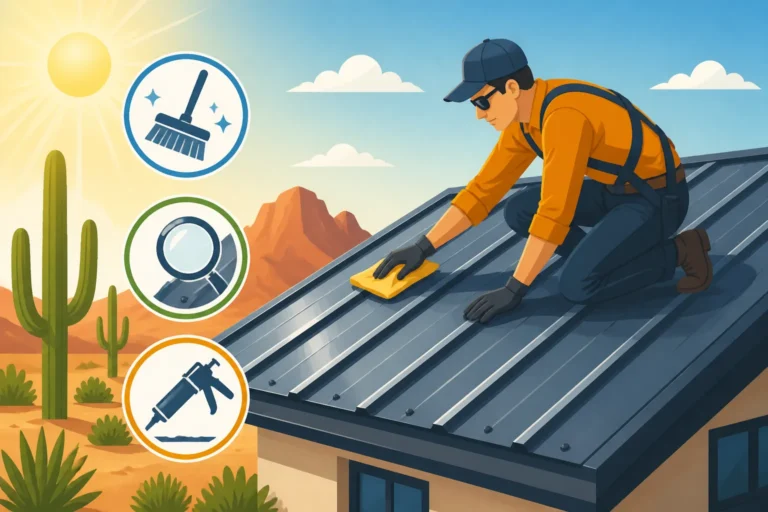
Maintenance Practices: This is where homeowners can really make a difference. A proactive maintenance routine can extend the life of your corrugated metal roof by decades.
- Regular Inspections: Periodically (at least once a year, and after any major storm) inspect your roof from the ground with binoculars, or safely from a ladder. Look for loose screws, failing washers, signs of rust, accumulated debris, or damaged panels. Our "Metal Roof Maintenance Guide" provides a detailed checklist.
- Cleaning: Keep the roof free of leaves, branches, and other debris, especially in valleys and around penetrations, as these can trap moisture and accelerate corrosion. Algae or moss growth, though less common than on shingles, can also occur and should be gently cleaned.
- Gutter Maintenance: Ensure gutters are clean and free-flowing. Clogged gutters can cause water to back up onto the roof, leading to premature deterioration along the eaves.
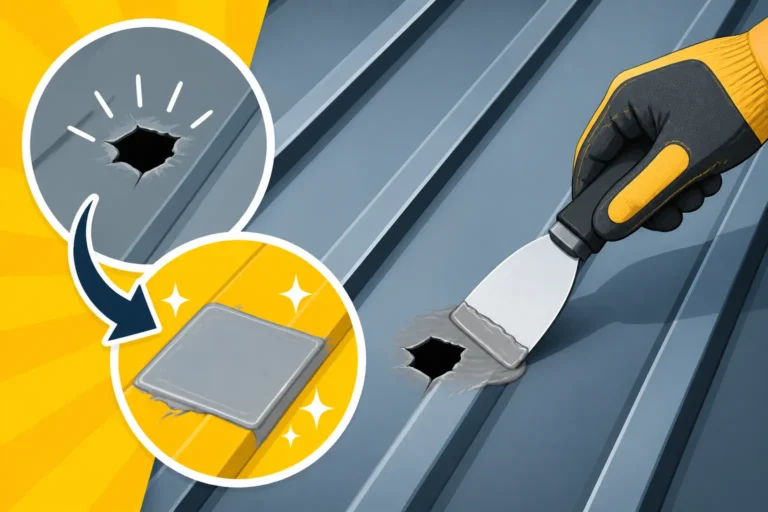
- Addressing Issues Promptly: Don't ignore small problems. A loose screw today can become a leak tomorrow. Rust spots can be treated with rust converters and specialty paints before they become widespread. Early intervention is key to preventing minor issues from escalating into costly repairs or premature replacement.
Recognizing Signs of Wear and When to Consider Replacement
Even the most durable corrugated metal roof will eventually show signs of its age. Knowing what to look for can help you determine if it's time for a repair or if a full replacement is on the horizon.
Common Warning Signs of a Deteriorating Corrugated Roof
Keeping an eye out for these indicators can save you from bigger problems down the line:
-
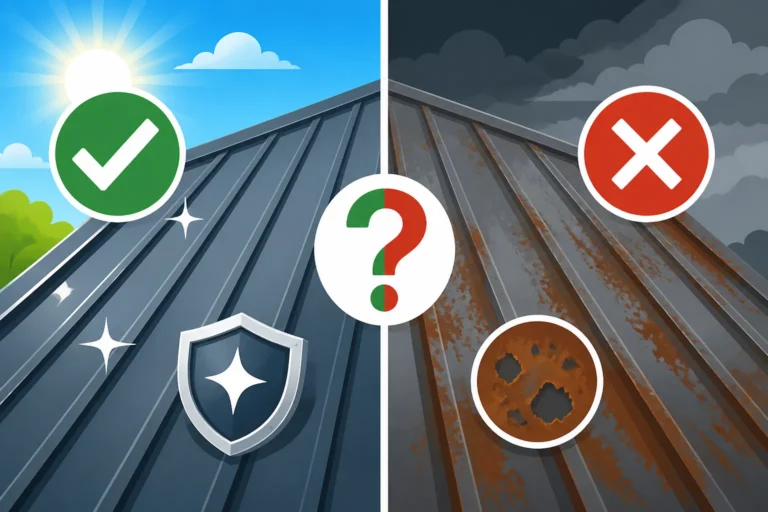
Widespread Rust and Corrosion: While isolated surface rust might be treatable, widespread rust, especially deep pitting or rust on the main panels rather than just fasteners, is a major red flag. For galvanized roofs, this indicates the zinc coating has been compromised. For Galvalume, it usually means the coating was damaged or scratched, exposing the steel core. Rust significantly weakens the metal and can eventually lead to holes and leaks. This is especially true if you notice rust on the underside of panels in your attic or crawl space, indicating prolonged moisture exposure.
-
Significant Fading, Chalking, or Peeling Coatings: The beautiful color of your roof should last for decades thanks to those advanced paint systems. If you notice severe fading, the color is chalking off when you touch it, or the paint itself is peeling or blistering, it means the protective coating has failed. Once this happens, the underlying metal (especially steel) is vulnerable to UV degradation and corrosion, drastically shortening its life. Not only does it look bad, but it compromises the roof's integrity.
-
Loose, Missing, or Failing Fasteners: Remember those exposed fasteners? They are often the first point of failure. If screws are backing out, if the washers are cracked, brittle, or completely missing, then your roof's watertight seal is compromised. You'll likely see streaks of rust running down the panels from these failing screws. This is a very common source of leaks on corrugated roofs.
-
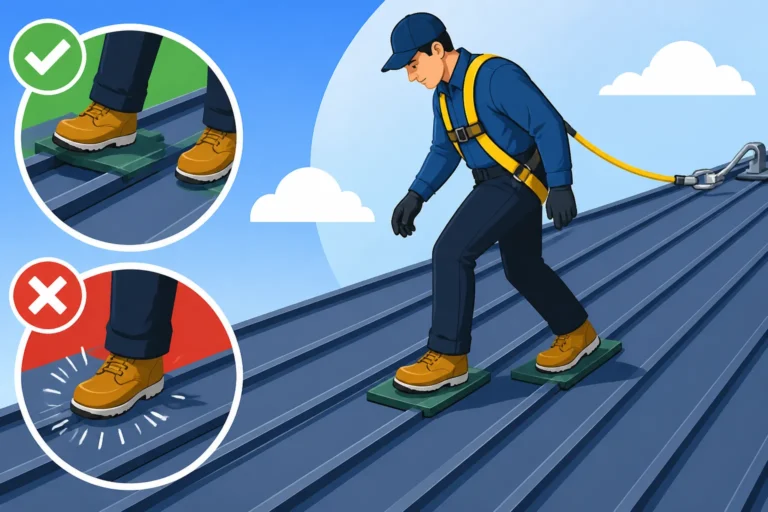
Bent, Dented, or Warped Panels: While metal roofs are tough, extreme hail, falling branches, or improper walking can dent or deform panels. Minor cosmetic dents usually aren't an issue, but significant damage that compromises the panel's profile, creates water-pooling areas, or cracks the coating means the panel's integrity is compromised. Warping, where panels lift or buckle, can indicate improper installation, fastener failure, or excessive thermal expansion/contraction without proper allowance.
-
Water Stains, Leaks, or Mold in Your Home: This is the most obvious and urgent sign. If you see water stains on your ceilings, walls, or insulation in the attic, or notice dripping water, your roof is leaking. Don't delay in addressing this! Leaks can lead to mold growth, rot in your roof deck and framing, and damage to your home's interior. Often, leaks can be traced back to failing fasteners, flashing, or damaged panels. Our guide on "Metal Roof Leak Repair Guide" might be a lifesaver in such situations.
Deciding Between Repair and Replacement
Once you identify issues, the next step is determining whether a repair is sufficient or if it's time for a full replacement.
-
When Repair is Viable:
- Localized Damage: If the damage is confined to a few panels (e.g., from a fallen tree limb), or if only a handful of fasteners need replacement and the rest of the roof is in good condition, repair is usually the most cost-effective option. Replacing a few panels or resealing/replacing screws can extend the life of an otherwise healthy roof.
- Newer Roof: For a relatively new roof (under 15-20 years old for galvanized, or under 30 for Galvalume/aluminum) with only minor, isolated issues, repairs are almost always the way to go. You want to get the full value out of your initial investment.
- Minor Leaks: If a leak is identified early and is due to a simple issue like a loose screw or a small flashing problem, a targeted repair can resolve it.
-
When Replacement is the Better Option:
- Widespread Deterioration: If you're seeing widespread rust, extensive paint failure, multiple dented panels, or a systemic issue with fasteners across a large portion of the roof, repairs can become a never-ending cycle, costing more in the long run than a full replacement.
- Structural Damage: If the roof deck or underlying structure has been significantly damaged by prolonged leaks or rot, a full replacement is often necessary to ensure the structural integrity of your home.
- Age: If your corrugated metal roof is nearing the end of its projected lifespan (e.g., a galvanized roof approaching 40 years, or a Galvalume roof past 50 years and showing significant signs of wear), continued repairs are often just delaying the inevitable. The money spent on patching up an old roof might be better invested in a new one.
- Energy Efficiency or Upgrade Desired: Sometimes homeowners opt for replacement not just due to failure, but to upgrade to a more energy-efficient system, a different material (like upgrading from galvanized to Galvalume or aluminum), or to improve curb appeal.
Ultimately, a professional metal roofing contractor can provide the most accurate assessment. They can inspect your roof thoroughly and give you an honest opinion on the condition and the best course of action. They can also offer options if you're deciding between a "Metal Roof Repair vs Replacement".
Maximizing the Life of Your Corrugated Metal Roof
You’ve invested in a durable roofing solution, and with a little intentionality, you can help it reach the upper limits of its potential lifespan. It all comes down to careful choices during installation and consistent, proactive care afterward.
Best Practices for Installation
A significant portion of your corrugated metal roof's longevity is baked in (or rolled in!) during the installation phase. This isn't an area to cut corners.
-
Choosing the Right Contractor: This cannot be stressed enough. Metal roofing, especially corrugated with its exposed fastener system, requires specific knowledge and tools. You need a contractor with a proven track record of installing metal roofs, not just asphalt shingles. Look for those who are experienced with the specific materials and profiles you're considering. They should be licensed, insured, and able to provide references for past metal roofing projects. Companies like Modernize specialize in connecting homeowners with qualified, pre-vetted contractors, taking some of the guesswork out of the hiring process. Getting "How Many Metal Roof Quotes Should You Get" is also a smart strategy to compare options.
-
Proper Underlayment: Always insist on a high-quality, synthetic underlayment. While metal itself is waterproof, the underlayment provides a critical secondary barrier against moisture intrusion, helps protect the roof deck during installation, and can offer a layer of insulation and sound dampening. Ice and water shield membrane should be used in critical areas like eaves, valleys, and around penetrations, especially in colder climates prone to ice dams.
-
Correct Fastener Selection and Application: Ensure your contractor uses high-quality, galvanized or stainless steel screws with long-lasting EPDM or neoprene washers. These washers are crucial for creating a watertight seal and must be UV-resistant to prevent premature degradation. Confirm that the installers are trained to apply screws at the correct torque – neither too tight (which crushes the washer) nor too loose (which allows leaks). Remember, screws should be installed on the flats of the corrugated panel for maximum effectiveness.
-
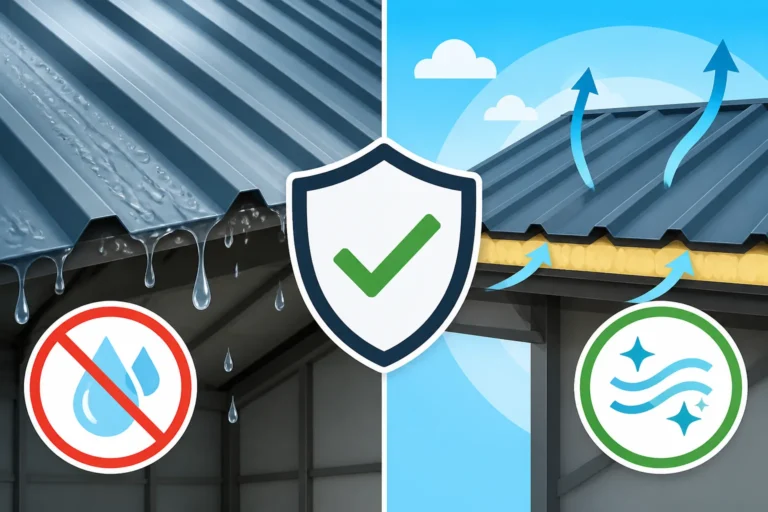
Adequate Ventilation: Proper attic ventilation is critical for any roof, including metal. It helps prevent heat buildup in the summer, which can stress the roof materials and increase your cooling costs. In winter, it helps prevent condensation from forming on the underside of your roof deck and metal panels, which can lead to rust, rot, and mold. Ridge vents and soffit vents should be properly installed to allow for continuous airflow. Our guide on "Metal Roof Underlayment and Ventilation Guide" covers these topics in detail.
Ongoing Maintenance and Proactive Care
Once your corrugated metal roof is installed, your role shifts to ongoing care. Think of it like maintaining a high-performance vehicle – regular check-ups keep it running smoothly for longer.
-
Routine Inspections: Make it a habit to inspect your roof at least once a year, and definitely after any significant storm (hail, heavy winds, prolonged torrential rain). You don't need to climb up there every time! A good pair of binoculars from the ground can reveal many issues like loose fasteners, debris accumulation, or signs of rust. If you spot anything concerning or suspect damage, then it's time for a closer, professional inspection.
-
Keep it Clean: Prevent debris buildup. Leaves, pine needles, and branches can trap moisture against the roof surface, promoting corrosion and moss/algae growth. Gently remove any debris. While metal roofs are generally low-maintenance, a light cleaning every few years can help maintain the aesthetic and protective qualities of the paint finish. Avoid harsh chemicals or pressure washers unless specifically recommended by the manufacturer, as they can damage the coating.
-
Gutter and Downspout Maintenance: Ensure your gutters are clean and clear. Clogged gutters can cause water to pool along the eaves, leading to water infiltration under the panels or accelerated corrosion along the roof's edge. This might seem minor, but it's a common cause of localized roof failure.
-
Address Minor Damages Promptly: If you notice a loose screw, a small rust spot, or a minor scratch in the paint, deal with it immediately. Loose screws can be re-tightened (carefully!) or replaced. Small rust spots can be treated with a wire brush, rust-inhibiting primer, and touch-up paint specifically designed for metal roofing. Ignoring these small issues allows them to fester and become much larger, more expensive problems. Sometimes, a quick fix with the "Best Sealant for Metal Roof Leaks" can prevent significant water damage.
-
Professional Check-ups: Consider hiring a professional roofing contractor every 5-10 years for a thorough inspection. They have the expertise to spot subtle issues you might miss and can perform preventative maintenance, such as checking all fasteners, ensuring flashing is intact, and verifying proper drainage. Many manufacturers also offer specific "Metal Roof Warranties: Workmanship vs Manufacturer" which often require periodic inspections to remain valid.
Comparative Lifespan and Long-Term Value
When you're weighing the options, it's helpful to understand where corrugated metal fits into the broader roofing landscape, not just in terms of initial cost, but its value proposition over decades.
Corrugated vs. Other Metal Profiles
It's common to compare corrugated metal with other popular metal roofing profiles, most notably standing seam.
-
Standing Seam Metal Roofs: These roofs are characterized by their raised, interlocking seams that run vertically up the roof slope. The critical difference is that standing seam systems use concealed fasteners, meaning the screws are hidden beneath the panels and don't penetrate the metal surface. This design feature significantly reduces points of potential water entry and protects fasteners from UV degradation, which is a major factor in their typically longer lifespan. A high-quality standing seam system, especially in Galvalume or aluminum, can last 50-100 years. While corrugated roofs, particularly those made of Galvalume or aluminum with excellent coatings, can approach the lifespan of many standing seam systems, the exposed fasteners of corrugated panels remain their primary vulnerability for long-term durability. If you want to know more about the other option, our guide on "How Long Does a Standing Seam Metal Roof Last?" goes into detail.
-
Metal Shingles, Tiles, and Shakes: These metal roofing products are designed to mimic the appearance of traditional asphalt shingles, clay tiles, or wood shakes. They are often made from steel (Galvalume or galvanized) or aluminum. Their lifespan is also excellent, typically ranging from 40-70 years, depending on the material and coating. While they offer a different aesthetic and often use interlocking systems that conceal fasteners, their base material and coatings are similar to those used in corrugated panels.
The takeaway here is that while the profile (corrugated, standing seam, shingle) dictates installation method and aesthetic, the material (Galvanized, Galvalume, Aluminum, Copper) and its protective coatings are the primary determinants of raw lifespan. A Galvalume corrugated roof with a high-quality PVDF finish will generally last much longer than a galvanized standing seam roof with a cheaper SMP coating, for example.
Return on Investment and Payback Period
Investing in a corrugated metal roof, especially a higher-quality Galvalume or aluminum option, is a long-term play. While the initial "Metal Roof Cost: Complete 2026 Guide" might be higher than asphalt shingles, the extended lifespan and lower maintenance requirements often lead to significant savings over the life of your home.
- Reduced Replacement Costs: The most obvious benefit is avoiding multiple roof replacements. If an asphalt roof lasts 20 years, you might replace it 2-3 times over 60 years. A single corrugated metal roof can easily span that entire period, saving you tens of thousands of dollars in future tear-off and installation costs.
- Lower Maintenance: While not maintenance-free, metal roofs require far less upkeep than many other materials. You won't be dealing with granule loss, cracked shingles, or extensive moss removal, meaning fewer repair bills over the decades.
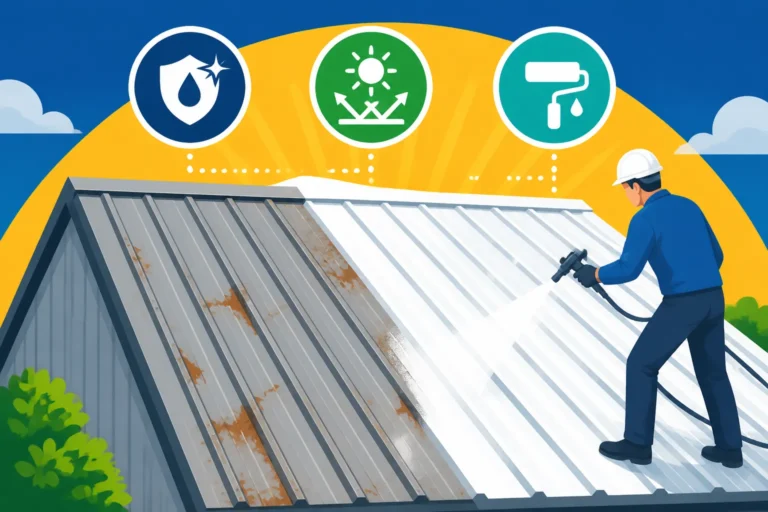
- Energy Efficiency: Many corrugated metal roofs, especially those with lighter colors and reflective coatings, are energy-efficient. They reflect solar radiant heat, keeping your home cooler in the summer and potentially reducing your air conditioning bills.
- Insurance Savings: Some insurance companies offer discounts for metal roofs due to their superior resistance to fire, hail, and high winds. These savings can add up over time. You might want to check out "Metal Roof Insurance Savings & Discounts".
- Increased Home Value: A durable, long-lasting metal roof is a significant asset that can increase your home's resale value and appeal. Buyers appreciate knowing they won't have to replace the roof for decades to come. Our article "Does a Metal Roof Increase Home Value?" delves into this topic.
Ultimately, while the upfront cost for a corrugated metal roof might feel substantial, its exceptional lifespan and various long-term benefits typically result in a positive return on investment, making it a smart and sustainable choice for your home.
Disclaimer
Please remember that the information provided in this guide is for general informational purposes only and should not be considered professional advice. Roofing projects involve significant risks and require specialized knowledge. Always consult with a qualified and licensed metal roofing contractor before making any decisions regarding your roof, and verify all local building codes and regulations.