Corrugated Metal Roof Cost
The thought of replacing your roof can send shivers down your spine, especially when you start looking at all the options and realize how quickly costs can balloon. It's tough trying to figure out if a corrugated metal roof is truly within your budget, or if those initial estimates are just the tip of the iceberg. Trust me, I've been there, sifting through quotes and trying to make sense of all the numbers. This guide is here to break down the real costs associated with a corrugated metal roof, helping you understand every component so you can make an informed decision for your home.
Understanding Corrugated Metal Roofing
Corrugated metal roofing might conjure images of rustic barns or industrial buildings, but today's options are far more sophisticated, offering both durability and a distinctive aesthetic for residential homes. It's become a popular choice for homeowners looking for a long-lasting, low-maintenance, and often more affordable metal roofing solution. But what exactly is it, and why would you pick it over other styles?
What Exactly is Corrugated Metal?
At its core, corrugated metal roofing gets its name from its distinctive wavy or ribbed profile. This unique shape isn't just for looks; it's a structural design feature. The corrugations add significant strength and rigidity to thin metal sheets, making them incredibly resistant to bending and impact. Think about how a flat piece of paper folds easily, but if you crinkle it up, it becomes much harder to deform. That's the principle behind corrugated metal. These panels typically feature a series of parallel ridges and valleys, which can vary in size and spacing, leading to different aesthetic looks like R-panel or 5V Crimp, for example.
Historically, corrugated metal was made from galvanized steel, often seen on agricultural buildings. However, modern corrugated panels come in a variety of metals, including steel (galvanized, Galvalume, or painted), aluminum, and even copper, each offering different benefits in terms of longevity, corrosion resistance, and, of course, cost. The specific profile, such as a strong R-Panel or the classic 5V Crimp, will influence both its appearance and its structural capabilities, which can be an important consideration depending on your local weather patterns and building codes.
Why Choose Corrugated for Your Home?
Choosing corrugated metal for your home brings a unique blend of advantages, though it also comes with a few considerations. On the positive side, corrugated metal roofs are incredibly durable and can withstand harsh weather conditions, including heavy winds and hail, far better than many traditional roofing materials. They are also remarkably lightweight, which can be a huge benefit for your home's structure and can sometimes allow for installation over existing shingles, saving on tear-off costs. Their longevity is another major draw; with proper installation and maintenance, a quality corrugated metal roof can last 40 to 70 years or even longer, significantly outperforming asphalt shingles.
From an aesthetic standpoint, while historically utilitarian, corrugated metal has found its place in modern and rustic home designs. It offers a clean, linear look that can complement contemporary architecture or blend seamlessly with a farmhouse style. The range of colors and finishes available today means you don't have to settle for plain gray; you can find options that truly enhance your home's curb appeal. However, it's worth noting that corrugated panels often use exposed fasteners, meaning the screws are visible on the surface. While these fasteners are designed to be weather-tight with gaskets, they are a potential point of maintenance over the decades, as the rubber washers can degrade and require replacement. This is a key difference when you compare, say, a Corrugated Metal Roof Cost to that of a hidden fastener system like standing seam.
Breaking Down the Cost: Materials
When you're trying to figure out the total Corrugated Metal Roof Cost, the materials themselves are a big piece of the puzzle. The type of metal, its thickness, and the finish all play a significant role in the initial outlay. It’s not just about the square footage; it's about the quality and composition of what's going on your roof.
Corrugated Steel and Galvalume Pricing
Steel is the most common material for corrugated roofing, primarily because it offers a fantastic balance of strength, durability, and affordability. Within steel options, you'll mainly encounter galvanized steel and Galvalume steel. Galvanized steel has been around forever, offering good corrosion resistance thanks to a zinc coating. It’s a reliable and budget-friendly choice for many homeowners.
However, Galvalume has become the gold standard for many modern metal roofs, especially for residential applications. Galvalume is a specific alloy coating of aluminum and zinc (typically 55% aluminum, 43.4% zinc, and 1.6% silicon) applied to a steel substrate. This combination provides superior corrosion resistance, particularly in coastal environments or areas with high humidity, when compared to galvanized steel. Because of its enhanced protection and longer lifespan, Galvalume corrugated panels tend to be slightly more expensive than galvanized steel panels, but many consider the increased durability and reduced maintenance over time to be well worth the upfront investment. You'll often find these available in various gauges, with 26-gauge and 29-gauge being common for residential use. When looking at the Steel Roof Cost Per Square Foot, expect Galvalume to be on the higher end of the steel spectrum.
Aluminum, Copper, and Other Corrugated Options
While steel dominates the corrugated market, other metals are available for those seeking specialized performance or a unique aesthetic. Aluminum corrugated roofing, for instance, is an excellent choice for coastal areas due to its exceptional resistance to rust and salt air corrosion. It's lighter than steel and offers great energy efficiency, but it's also generally softer, making it more prone to denting, and its cost per square foot is typically higher than steel or Galvalume. If you live right on the ocean, the Aluminum Roof Cost might be justified by its superior performance in that challenging environment.
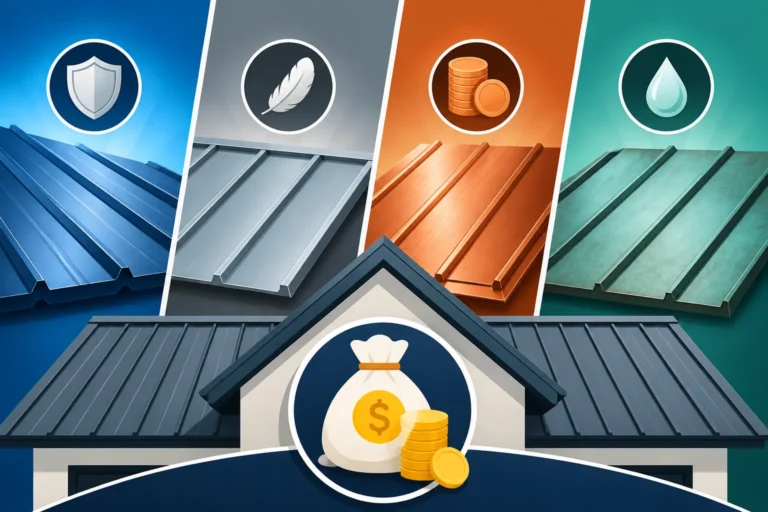
Then there's copper. Oh, copper! It's the pinnacle of metal roofing, renowned for its incredible longevity (often lasting 100+ years), natural beauty, and the stunning patina it develops over time. Corrugated copper roofing is truly a premium product, and its cost reflects that. It's significantly more expensive than steel or aluminum, often pushing into the range of luxury roofing materials. You might also find zinc corrugated panels, which offer similar benefits to copper in terms of longevity and corrosion resistance, along with a beautiful, evolving patina, but also come with a premium price tag. For a deep dive into the cost implications, check out our guide on how much does a Copper Roof Cost.
Paint Finishes and Coatings
Beyond the base metal, the paint finish or coating applied to your corrugated panels significantly impacts both their initial cost and their long-term performance and appearance. The two most common types of paint systems for metal roofing are Silicone Modified Polyester (SMP) and Kynar 500 (PVDF).
SMP coatings are a good, economical choice. They offer decent color retention and resistance to chalking and fading, and they come in a wide array of colors. For many homeowners on a budget, an SMP finish on a Galvalume steel panel offers excellent value. However, if you're looking for the absolute best in terms of fade and chalk resistance, especially in sunny climates, PVDF coatings (like Kynar 500 or Hylar 5000) are the superior option. These coatings are specifically engineered to maintain their color and gloss for decades, often carrying longer and more robust paint warranties, sometimes up to 30 or 40 years. This enhanced performance comes at a higher price point, typically adding 15-30% to the material cost compared to SMP. While it’s a higher upfront investment, the long-term aesthetic appeal and reduced need for repainting can make PVDF coatings a very smart choice for your metal roof.
Installation Costs: What to Expect
The material cost is just one piece of the puzzle when calculating your total Corrugated Metal Roof Cost. A significant portion of your budget will go towards the installation, and this can vary wildly based on a number of factors. Understanding these variables will help you gauge whether the quotes you receive are fair and comprehensive.
Labor Factors and Regional Differences
Labor is often the largest single component of a metal roof installation. The skill required to properly install a metal roof, especially to ensure weather-tight seams and flashing details, means you're paying for expertise. Factors influencing labor costs include:
- Roof Complexity: A simple, single-plane roof is much faster and easier to install than a multi-plane roof with numerous valleys, hips, dormers, and skylights. Each cut and bend adds time and precision, driving up labor hours.
- Roof Pitch: Steep roofs present safety challenges and require more specialized equipment and slower working conditions, which translates to higher labor costs.
- Regional Wage Rates: Just like everything else, the cost of labor varies significantly by geographic location. A metal roof installation in a high-cost-of-living area like Southern California or the Northeast will naturally be more expensive than in the Midwest or certain parts of the South. For example, the Metal Roof Labor Cost Per Square might be notably different in Miami compared to Kansas City.
- Contractor Experience: Highly experienced and reputable metal roofing contractors, particularly those with manufacturer certifications, may charge more, but their expertise often leads to a more efficient, high-quality installation and fewer headaches down the line. It's often worth the premium.
Tear-Off and Old Roof Removal
Before your shiny new corrugated metal roof can go on, the old one usually has to come off. This process, known as "tear-off," is an additional cost that many homeowners overlook when budgeting. The cost of tear-off includes the labor to remove the existing roofing material (asphalt shingles, old metal, tile, etc.), dispose of it properly (often requiring dumpster rental and landfill fees), and sometimes repair any underlying damage discovered once the old roof is off.
The complexity of the tear-off can impact the cost. For example, removing multiple layers of old asphalt shingles will be more labor-intensive and generate more waste than removing a single layer. If there's significant rot or damage to the roof decking beneath, that will also add to the overall expense. While it's sometimes possible to install a metal roof over existing shingles, as discussed in Installing a Metal Roof Over Shingles, this isn't always recommended or permitted by local codes, and it can add weight to your structure. Always check with your contractor and local building department to understand your options and their associated costs.
Underlayment and Accessories
A metal roof is more than just panels; it's a complete system, and the components beneath and around the panels are crucial for its performance and longevity. These items, while often smaller in cost individually, add up and are essential to factor into your Corrugated Metal Roof Cost.
- Underlayment: This protective layer is installed directly on the roof deck before the metal panels. It acts as a secondary water barrier, protecting your home if any moisture gets past the metal. Options include synthetic underlayment, which is very durable and moisture-resistant, or traditional felt paper. Synthetic is generally preferred for metal roofs due to its superior performance and longer lifespan, and while it costs a bit more, it's a vital component. You can learn more about this in our Metal Roof Underlayment Cost guide.
- Fasteners: For exposed fastener corrugated systems, the quality of the screws and their washers is paramount. High-quality fasteners with durable, UV-resistant neoprene washers are critical for preventing leaks. Cheaper fasteners can degrade quickly, leading to leaks and requiring early replacement, so don't skimp here.
- Flashing: This is the metal material used to weatherproof areas where the roof meets vertical surfaces like walls, chimneys, skylights, and vents. Proper flashing is essential to prevent leaks, and its complexity can add to the labor cost. The specific type and amount of flashing required will depend on your roof's design. Learn more in Metal Roof Trim and Flashing Cost.
- Drip Edge: Installed along the edges of the roof, drip edge directs water away from the fascia and prevents it from seeping behind the gutters. It's a small but important detail.
- Vents and Pipe Boots: Proper attic ventilation is critical for extending the life of your roof and improving home energy efficiency. Vents, along with pipe boots for any penetrations like plumbing stacks, must be integrated seamlessly and watertight into the metal roofing system.
These components, while not as glamorous as the metal panels themselves, are non-negotiable for a properly installed and long-lasting corrugated metal roof.
Total Project Cost Examples
Understanding the individual components of your Corrugated Metal Roof Cost is helpful, but seeing some typical project examples can really bring things into focus. Keep in mind these are averages, and your specific costs will vary based on your location, chosen materials, and the complexity of your roof.
Cost for Different Home Sizes
The size of your home's roof is one of the most significant determinants of the overall cost. For corrugated metal, we often talk about cost per square foot. While this can vary, let's look at some general ranges for common home sizes, assuming a moderately complex roof, Galvalume steel with an SMP coating, and professional installation.
- 1,000 Sq Ft House: For a smaller home, like a cozy bungalow or a detached garage, a 1,000 square foot metal roof might range from $7,000 to $12,000 installed. This price typically includes materials, labor, underlayment, and basic flashing. For specific breakdowns, you might want to look into the Metal Roof Cost for a 1,000 Sq Ft House.
- 2,000 Sq Ft House: This is a common size for many suburban homes. A 2,000 square foot corrugated metal roof could cost anywhere from $14,000 to $24,000. At this size, the economies of scale start to kick in a bit more, but roof complexity can still play a big role. If your home has a more intricate design with several dormers or valleys, the cost will lean towards the higher end. For a more detailed look, consider the Metal Roof Cost for a 2,000 Sq Ft House.
- 3,000 Sq Ft House: Larger homes naturally require more materials and labor. A 3,000 square foot corrugated metal roof project could run from $21,000 to $36,000 or more. At this scale, the choice between different gauges of steel or an upgrade to a PVDF coating can significantly impact the final price tag.
It's crucial to remember that these figures are broad estimates. A premium material like copper or a highly complex installation with a very steep pitch could push these numbers significantly higher. Conversely, a very simple, low-pitch roof using the most economical galvanized steel might come in a bit lower.
Regional Cost Variations
As mentioned earlier, where you live dramatically impacts the cost of labor and even the availability and pricing of materials. Here’s a quick overview of how regions can differ:
- High-Cost Areas: Major metropolitan areas and regions with high labor costs, such as the Northeast (e.g., Boston, New York City) and coastal California (e.g., Los Angeles, San Diego), will almost always see higher corrugated metal roof costs. Permits and local regulations can also add to the expense here. Expect costs on the higher end of the national averages, if not exceeding them.
- Mid-Cost Areas: The Pacific Northwest (e.g., Seattle, Portland), parts of the Mountain West (e.g., Denver), and some major Southern cities (e.g., Atlanta, Charlotte) tend to fall in the middle range. Labor is still skilled, but overall overhead might be slightly less than the priciest regions.
- Lower-Cost Areas: The Midwest (e.g., Kansas City, Minneapolis) and many parts of the South (e.g., Oklahoma City, Nashville) generally have lower labor rates, which can make corrugated metal roofing more affordable. However, even within these regions, specific cities can have higher demand or unique challenges that influence pricing. If you're looking for specifics, exploring resources like Metal Roof Cost in Texas or Metal Roof Cost in Florida can provide more localized insights.
| Factor | Impact on Cost | Details |
|---|---|---|
| Material Type | Varies | Steel (Galvanized/Galvalume) is most common. Aluminum for coastal. Copper/Zinc for premium. |
| Gauge (Thickness) | ↑ Thicker = ↑ Cost | 29-gauge (economical) vs. 26-gauge (standard) vs. 24-gauge (premium, commercial-grade). |
| Paint Coating | ↑ Better = ↑ Cost | SMP (good) vs. PVDF/Kynar (excellent, long-lasting color retention). |
| Roof Size | ↑ Larger = ↑ Cost | Directly proportional to material and labor. |
| Roof Pitch | ↑ Steeper = ↑ Cost | More labor-intensive, requires specialized safety equipment. |
| Roof Complexity | ↑ More = ↑ Cost | Valleys, hips, dormers, skylights increase labor and material waste. |
| Tear-Off | Additional | Removal and disposal of old roofing. Cost increases with multiple layers or extensive damage. |
| Underlayment | Additional | Synthetic is superior for metal, adds to cost but provides better protection. |
| Fastener Type | Minor | Quality matters for longevity; exposed fasteners require good washers. |
| Geographic Location | Significant | Labor rates and material availability vary by region and city. |
| Permits & Inspections | Additional | Varies by municipality, legally required. |
| Warranty | Minor | Longer, more comprehensive warranties (both material and labor) can be slightly more expensive but offer peace of mind. |
Factors That Influence Your Final Corrugated Metal Roof Cost
Beyond the basic materials and labor, several other critical elements can significantly sway your final Corrugated Metal Roof Cost. These are often the hidden expenses or variables that can make two seemingly similar projects end up with very different price tags.
Roof Pitch and Complexity
The geometry of your roof is a major cost driver for any roofing material, and corrugated metal is no exception.
- Roof Pitch (Steepness): A low-slope or flat roof is generally easier and safer for installers to work on, meaning lower labor costs. As the roof's pitch increases, so does the difficulty and risk. Installers need more safety equipment, such as harnesses and scaffolding, and the work itself becomes slower and more physically demanding. A very steep roof (think 8/12 pitch or higher) can easily add 15-30% to the labor portion of your bill compared to a gently sloped roof.
- Roof Complexity (Design): A simple, rectangular gable roof with minimal interruptions is the most straightforward and least expensive to roof. However, if your roof has multiple valleys, hips, dormers, skylights, chimneys, or other penetrations, the cost will increase. Each of these features requires custom cutting, bending, and meticulous flashing work to ensure watertight seals. This means more specialized labor, more material waste, and more time, all contributing to a higher overall project cost. Intricate rooflines demand highly skilled installers, which naturally command higher wages.
Panel Gauge and Thickness
Gauge refers to the thickness of the metal. Counterintuitively, a lower gauge number indicates a thicker metal panel. For corrugated metal roofing, common residential gauges include 29-gauge, 26-gauge, and 24-gauge.
- 29-Gauge: This is the most economical option and is commonly used for agricultural buildings or residential applications where budget is a primary concern. It's lighter and easier to handle but also more prone to denting and can be less durable in extreme weather. Its lifespan might be slightly shorter than thicker gauges.
- 26-Gauge: Considered the standard for residential corrugated metal roofing, 26-gauge offers a good balance of durability, dent resistance, and cost. It's robust enough for most climates and provides a long lifespan. Most homeowners opt for this gauge as it provides excellent value.
- 24-Gauge: This is a thicker, more premium option, often used in commercial applications or high-end residential projects. 24-gauge panels are significantly more rigid and dent-resistant, offering superior performance against hail and heavy impacts. They also have an extended lifespan. However, they are heavier, more challenging to work with, and consequently more expensive, adding to both material and labor costs. If you're weighing the options, exploring the 24 vs 26 Gauge Metal Roof Cost Difference can give you a clearer picture.
Choosing the right gauge involves balancing your budget with desired durability and expected lifespan.
Permitting and Inspection Fees
One often-overlooked aspect of a metal roof project is the administrative cost of permits and inspections. Almost any significant home improvement, especially roofing, requires a building permit from your local municipality or county. This isn't just bureaucratic red tape; it ensures that your new roof meets local building codes and safety standards.
The cost of a permit can vary widely, from a few hundred dollars to over a thousand, depending on your location and the scope of the project. These fees typically cover the administrative costs of reviewing your plans and conducting inspections at various stages of the roofing process (e.g., after tear-off, during underlayment installation, and for the final product). A reputable contractor will always include permit costs in their quote and handle the application process for you. Attempting to install a roof without a permit can lead to fines, difficulties with insurance claims, and potential issues when selling your home. Always ensure your contractor pulls the necessary permits for your Metal Roof. For more information, read Do You Need a Permit for a Metal Roof?
Corrugated Metal Roof Cost vs. Other Roofing Materials
When considering a new roof, it’s natural to compare corrugated metal to other popular options. While it offers many benefits, understanding its cost relative to alternatives can help solidify your decision.
Corrugated Metal vs. Asphalt Shingles
For decades, asphalt shingles have been the go-to roofing material for most homes due to their relatively low upfront cost. However, a direct cost comparison between corrugated metal and asphalt shingles is rarely apples-to-apples because their lifespans and long-term performance are vastly different.
- Upfront Cost: Initially, a corrugated metal roof will almost always cost more than a basic asphalt shingle roof. A standard 3-tab asphalt shingle roof might cost $4-$8 per square foot installed, while an architectural shingle roof could be $6-$10 per square foot. In contrast, a corrugated metal roof typically ranges from $7-$12 per square foot installed, and sometimes higher for premium materials or complex installations. So, yes, you'll pay more upfront for corrugated metal.
- Lifespan and Durability: This is where metal shines. Asphalt shingles typically last 15-30 years, depending on the quality and climate. Corrugated metal, however, can last 40-70 years or even longer. This means you might replace an asphalt shingle roof two or three times over the lifespan of a single metal roof.
- Long-Term Value: When you factor in the extended lifespan, lower maintenance needs, potential insurance discounts, and improved energy efficiency (especially with lighter colored metal roofs that reflect solar heat), a metal roof often has a lower "cost per year" over its lifetime. It's a significant investment, but one that often pays dividends over the decades. For a thorough breakdown of these financial aspects, consider reading Is a Metal Roof Cheaper Than Shingles in the Long Run.
Corrugated Metal vs. Standing Seam
Standing seam metal roofing is often considered the premium choice in residential metal roofing, and it's important to understand how its cost compares to corrugated. Both are metal, but their installation methods and aesthetics differ significantly.
- Appearance and Fasteners: Corrugated metal is characterized by its exposed fasteners, where the screws are visible on the surface of the panels. Standing seam, on the other hand, features concealed fasteners, meaning the panels are attached to the roof deck with clips that are hidden beneath the raised seams. This gives standing seam a sleek, clean, and modern look.
- Weather Tightness: The concealed fastener system of standing seam roofs generally offers superior weather tightness, as there are no penetrations on the surface of the panels for water to potentially seep through. This often leads to a longer lifespan for standing seam systems compared to exposed fastener corrugated systems, particularly in extreme weather conditions.
- Cost: Because of its more intricate manufacturing, specialized installation (often requiring highly skilled technicians and specialized tools), and concealed fastener system, standing seam metal roofing is typically more expensive than corrugated metal. While corrugated metal might cost $7-$12 per square foot installed, standing seam often ranges from $10-$18 per square foot installed, and can go even higher for certain profiles or materials like copper. The increased upfront cost of standing seam reflects its enhanced durability, superior weather performance, and premium aesthetic. If you're weighing the options, our guide on Standing Seam vs Corrugated Cost Comparison can offer more granular details.
Ultimately, both corrugated and standing seam metal roofs offer excellent long-term value, but your choice will depend on your budget, aesthetic preferences, and tolerance for potential long-term maintenance related to exposed fasteners.
Disclaimer
Please remember that the cost estimates and information provided in this guide are general in nature. Actual costs for your corrugated metal roof project will vary significantly based on your specific location, chosen materials, roof size and complexity, local labor rates, and the individual contractor you select. Always obtain multiple detailed quotes from licensed and insured roofing professionals before making any decisions. This information should not be taken as financial or professional advice.