Is 29 Gauge Good for a Residential Metal Roof?
Twenty nine gauge metal roofing provides lower costs and lighter panels, but carries reduced durability and dent resistance compared to thicker options.
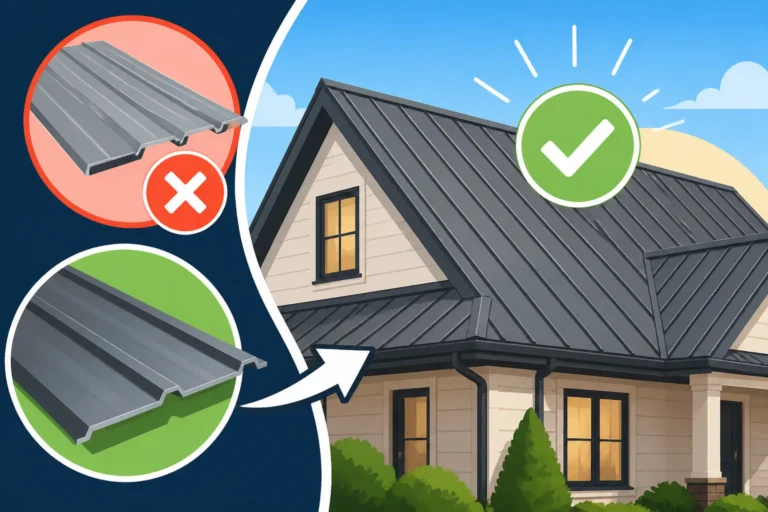
Twenty nine gauge metal roofing provides lower costs and lighter panels, but carries reduced durability and dent resistance compared to thicker options.
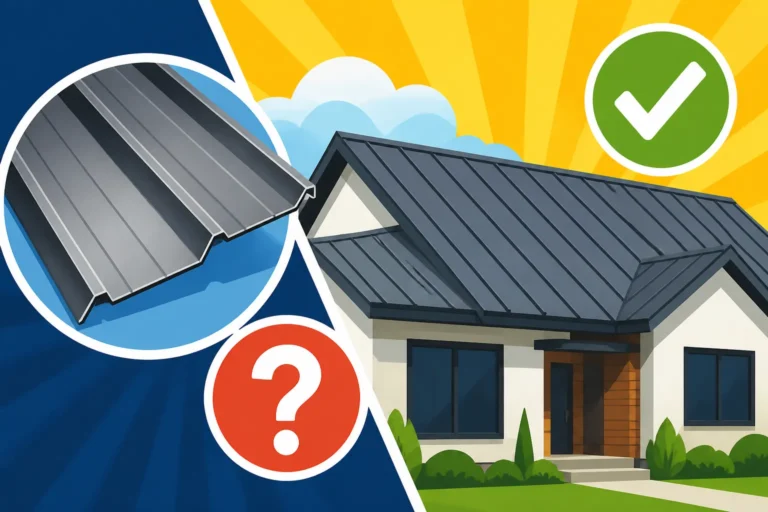
A 26-gauge metal roof balances cost and durability for residential projects, offering good protection for homes in most climates.
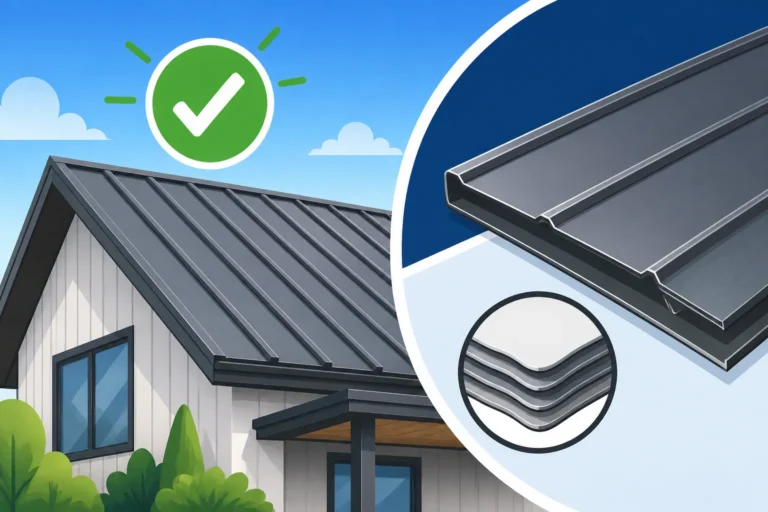
A 24-gauge metal roof provides residential buildings with increased thickness, impact resistance, and rigidity to prevent oil canning.
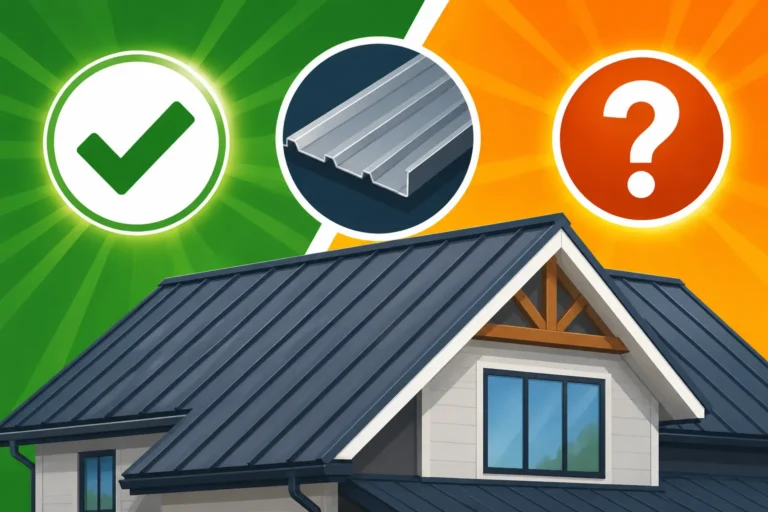
Twenty-two gauge metal roofing provides residential properties with maximum strength, impact resistance, and durability against severe weather.
Modern metal roofing materials compared, explaining what tin roofs actually are and detailing true benefits and drawbacks.
Zinc roofing offers self-healing protective patinas, incredible architectural malleability, and durability lasting a century or more on houses.
Copper roofing provides extraordinary longevity lasting eighty to one hundred years while resisting corrosion, rot, fire, and pests.
Aluminum roofing provides natural corrosion resistance, lightweight structural benefits, and energy-efficient cool roof properties for coastal homes.
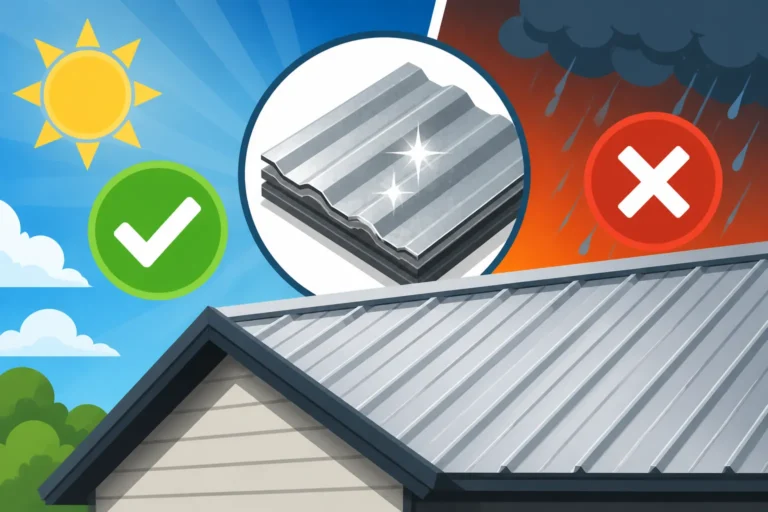
Galvalume roofing consists of steel coated with aluminum and zinc, offering durable, corrosion-resistant protection for homes.
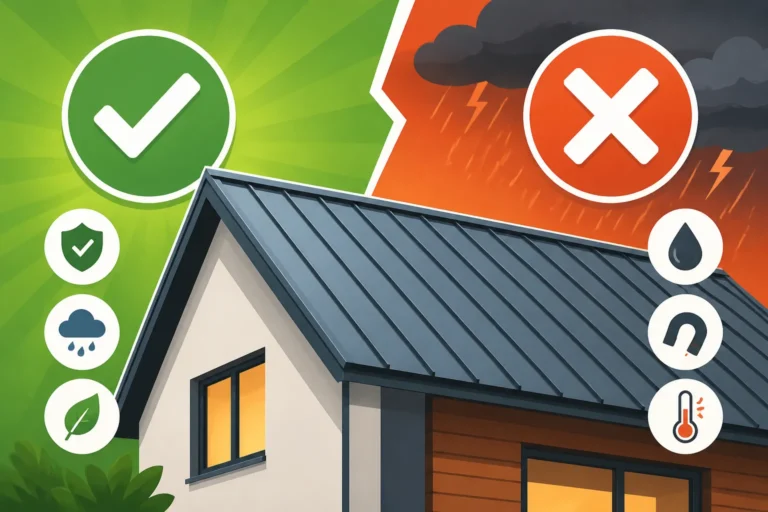
Steel roofing benefits, panel profiles, and protective coatings like galvanized and Galvalume compared for residential homes.