Metal Roof Insurance Discount in New York
Replacing an aging roof can feel like a massive financial burden, and let's be honest, who isn't looking for ways to save a few bucks on homeowners insurance, especially in a state like New York where costs can be notoriously high? The good news is, choosing a durable, long-lasting metal roof could actually help put some money back in your pocket through insurance discounts. This guide will walk you through everything you need to know about potential metal roof insurance discounts in New York, why they exist, and how you can claim yours.
Why New York Insurers Care About Your Roof Type
It's no secret that a home's roof is its primary defense against the elements. For insurance companies, your roof isn't just a part of your house; it's a significant risk factor. The older or less resilient your roof, the higher the chances of damage, and thus, the higher the potential for costly insurance claims. Insurers in New York are particularly attentive to roofing materials because of the unique climate challenges the state presents.
Common Roof Challenges in the Empire State
New York weather is, to put it mildly, diverse. From the heavy snowfall and ice dams common in Buffalo and the Adirondacks to the strong winds that sweep across the Finger Lakes region, and even the occasional hurricane remnants that impact Long Island and New York City, your roof takes a beating. Traditional asphalt shingle roofs, while popular, can struggle with these conditions. They can crack from extreme cold, curl from intense heat, lift in high winds, and get granular loss from hail.
When an insurer looks at a roof, they're calculating the likelihood of having to pay out for repairs or a full replacement due to these common weather events. A roof that can stand up better to snow loads, resist wind uplift, and shrug off hail impacts is inherently less risky. This reduced risk translates directly into potential savings for you, the homeowner, because the insurance company anticipates fewer claims over the roof's lifespan.
How Insurance Companies Assess Risk
Insurance companies use a complex algorithm to assess risk, and your roof's material plays a starring role. They look at factors like the age of the roof, its current condition, the specific materials used, and its demonstrated resistance to common perils like wind, hail, and fire. For instance, a roof with a Class 4 impact resistance rating, which many metal roofs boast, tells an insurer that it's highly resistant to hail damage. Similarly, a high wind rating means fewer worries about panels peeling off in a Nor'easter or a severe thunderstorm.
In New York, insurers often factor in specific local building codes and historical weather data for your area. For example, homes in hurricane-prone coastal areas of Long Island might see even greater benefits from a robust metal roof compared to inland regions, though wind resistance is valuable everywhere. By demonstrating that your home is less likely to suffer damage, you become a more attractive client, and insurance companies are willing to reward that reduced risk with lower premiums. This is part of the broader discussion around what affects metal roof cost: gauge, pitch, complexity & tear-off, where initial investment meets long-term value.
Unlocking Metal Roof Insurance Discounts in New York
So, you're thinking about a metal roof, and you're curious about those sweet, sweet insurance savings. You've heard the rumors, but how do they really work in New York? It's not always a blanket discount; instead, it's often tied to specific features of metal roofing that make it exceptionally durable and resistant to hazards.
Types of Discounts Available for Durable Roofing
When it comes to metal roofing, the primary discounts you might find in New York generally fall into categories related to its resilience:
- Impact Resistance (Hail Discounts): This is one of the most common and significant discounts. Many metal roofs, especially stone-coated steel and thicker gauges of standing seam panels, achieve a Class 4 impact resistance rating. This means they can withstand the impact of a 2-inch steel ball dropped from 20 feet without cracking or puncturing. In hail-prone areas, this rating can lead to substantial premium reductions. Imagine the peace of mind knowing your roof can handle the kind of hailstorms that turn asphalt shingles into Swiss cheese.
- Wind Resistance: Metal roofs are renowned for their ability to withstand high winds. Standing seam metal roofs, with their interlocking panels and hidden fasteners, are particularly effective. They can often endure winds exceeding 140-160 mph, far surpassing the capabilities of many traditional roofing materials. While New York isn't a hurricane hotbed like Florida, strong coastal storms and inland wind events are regular occurrences. Insurers recognize this superior wind resistance with discounts, especially if your roof meets specific certifications or features enhanced fastening systems. You can learn more about metal roof wind and fire ratings explained to understand how these contribute to safety and savings.
- Fire Resistance: Metal is non-combustible. This inherent property earns most metal roofs a Class A fire rating, the highest possible rating. While this might not be the largest discount, it's a consistent one, especially beneficial in rural or densely forested areas where wildfire risk, though less common than in the West, is still a consideration. Knowing your roof won't contribute to the spread of fire is a major plus for safety and for your insurer.
- Longevity/Durability Discounts: While not always explicitly advertised as a "longevity discount," the extended lifespan of a metal roof often factors into an insurer's overall risk assessment. A roof that lasts 50-70 years means fewer replacement cycles, fewer potential claims over time, and a more stable structure for your home. This long-term reliability can subtly influence your overall premium, making you a lower-risk policyholder. The question "is a metal roof worth it? ROI, resale & payback" often highlights these benefits.
Real-World Examples of Potential Savings
It’s hard to give an exact dollar amount for savings because it varies wildly based on your specific insurer, location within New York, the value of your home, and the specifics of your policy. However, anecdotal evidence and industry data suggest that homeowners in New York can see anywhere from 5% to 35% reductions on the "dwelling protection" portion of their homeowner's insurance premium, specifically related to these durable roofing characteristics.
For instance, a homeowner in Rochester replacing an old asphalt roof with a new Class 4 impact-resistant metal roof might see their annual premium drop by $100-$300 or more. In a coastal town like Montauk, where wind ratings are paramount, that same metal roof, especially if combined with proper wind mitigation techniques, could yield even greater savings due to the reduced risk of hurricane-force wind damage.
Consider a house valued at $400,000 in the suburbs of Albany. If their annual premium for dwelling coverage is $1,500, a 15% discount would save them $225 per year. Over the 50-year lifespan of a quality metal roof, that adds up to over $11,000 in savings, not counting the avoided costs of multiple shingle replacements. It really makes you wonder, "does a metal roof increase home value?" when you factor in these long-term financial benefits.
Key Factors That Influence Your Discount Amount
Getting the maximum discount isn't just about having a metal roof; it's about having the right metal roof and the right documentation. Here’s what can swing your savings:
- Specific Metal Roofing Material and Gauge: Not all metal roofs are created equal. A heavy-duty, 24-gauge standing seam steel roof will likely command a better discount than a lighter 29-gauge corrugated panel. Materials like copper or zinc, while expensive, offer extreme durability and longevity that insurers may value highly. Understanding metal roofing materials compared: steel, aluminum, copper & zinc can help you choose wisely.
- Certifications and Ratings: The biggest factor is often whether your roof has recognized certifications. A Class 4 impact resistance rating (UL 2218) is a gold standard for hail. Wind ratings, often certified by independent labs like Underwriters Laboratories (UL) or the Florida Building Commission (FBC) for high-velocity hurricane zones (though New York isn't HVHZ, higher ratings are always good), are also crucial. Make sure your chosen product and installation meet these standards.
- Installer Qualifications: Some insurance companies may offer better rates if your metal roof was installed by a manufacturer-certified contractor. This ensures the roof was put on correctly, maximizing its performance and lifespan, which further reduces risk for the insurer.
- Underlayment and Installation Quality: Beyond the panels themselves, the quality of the underlayment, flashing, and fasteners can significantly impact your roof's overall resilience. A robust underlayment system, for example, offers an extra layer of protection against water intrusion, which insurers appreciate. The entire metal roof installation process: step by step demonstrates how comprehensive installation contributes to overall resilience.
- Your Insurance Provider: This is a big one. Not all insurance companies offer the same discounts, or even any discounts, for metal roofs. It pays to shop around and inquire specifically about metal roofing benefits. Companies like State Farm, Allstate, Travelers, and Erie Insurance are known to offer various discounts for durable roofing materials, but their specific offerings in New York can vary. It's always best to get multiple quotes and ask direct questions. You can find more general information about metal roof insurance savings & discounts.
Steps to Secure Your Metal Roof Insurance Savings
Once you've made the smart decision to invest in a metal roof, you’ll want to make sure you actually get those hard-earned insurance savings. It's not always automatic; there’s a process involved, but it’s straightforward if you know what to expect.
Gathering Necessary Documentation
The key to unlocking any insurance discount is providing proof. Your insurance company isn't going to just take your word for it that you have a super-durable metal roof. You'll need solid documentation to back up your claim.
- Proof of Purchase and Installation: This includes your contract with the roofing company, invoices, and payment receipts. These documents show that a professional installation was performed.
- Manufacturer’s Product Specifications: Your roofing contractor should provide you with detailed information about the specific metal panels and components installed. This usually includes data sheets that list the material (e.g., Galvalume steel, aluminum), gauge (e.g., 24-gauge, 26-gauge), and, most importantly, any certifications like Class A fire rating, Class 4 impact resistance (UL 2218), and wind uplift ratings (e.g., ASTM E1592, UL 580). This is where the specifics of your roof really shine through.
- Permits and Inspection Reports: In New York, a roof replacement almost always requires a building permit. The local building department will inspect the work to ensure it meets local codes. A copy of the final approved permit and any inspection reports serves as official verification that your new roof adheres to construction standards. You can check your local municipality for "metal roof building codes explained" to understand what applies in your area.
- Photos (Before, During, and After): While not always strictly required, having a portfolio of photos can be incredibly helpful. Pictures of your old roof, the tear-off process, the underlayment installation, and the finished metal roof can provide a visual timeline and confirm the quality of the work. Ask your contractor to take these for you.
Working with Your Insurance Agent
Your insurance agent is your best ally in this process. Don't just send documents and hope for the best; actively engage with them.
- Communicate Early and Often: Let your agent know before the installation begins that you are putting on a metal roof and that you're interested in potential discounts. They can advise you on what documentation they'll need and if there are any specific requirements for your policy. They might even suggest specific types of metal roofing or installation methods that qualify for better discounts.
- Ask Specific Questions: Don't be vague. Ask:
- "What specific discounts do you offer for metal roofs in New York?"
- "Are there discounts for Class 4 impact-resistant roofs?"
- "What about wind mitigation credits?"
- "Do you offer any savings for Class A fire-rated roofs?"
- "Is there a benefit if my roof has a 50-year warranty?" (Referring to metal roof lifespan: how long do they last?).
- Schedule a Policy Review: Once the installation is complete and you have all your documentation, schedule a formal policy review with your agent. They can update your policy, apply eligible discounts, and explain any changes to your premium. This is also a good time to revisit your overall coverage to ensure it still meets your needs. Sometimes, they might recommend a wind mitigation inspection if you haven't had one recently, especially if you've added new features that enhance wind resistance.
Understanding Policy Specifics and Exclusions
Even with a metal roof, it's crucial to understand the nuances of your insurance policy. Discounts are fantastic, but coverage specifics are paramount.
- Deductibles and Endorsements: Some policies might offer lower deductibles for specific types of damage if you have a metal roof, or require an endorsement for certain types of coverage. For example, some policies have a "cosmetic damage exclusion" for metal roofs, meaning they won't cover dents or scrapes that don't compromise the roof's integrity, even if a discount was applied for impact resistance. Always clarify what is and isn't covered.
- "Actual Cash Value" vs. "Replacement Cost Value": Make sure you understand how your roof would be valued in the event of a total loss. With an "Actual Cash Value" policy, depreciation is factored in, meaning you'd get less for an older roof. A "Replacement Cost Value" policy pays for a brand-new roof, which is often preferred for long-lasting investments like metal.
- Read the Fine Print: I know, it's boring, but it's essential. The terms and conditions of your policy will outline exactly what discounts apply, how they're calculated, and any exclusions. If something isn't clear, ask your agent to explain it in plain language. Never assume anything when it comes to insurance.
Beyond the Discount: The Broader Financial Appeal of Metal Roofing
While the immediate insurance discount is a fantastic perk, it's really just the tip of the iceberg when it comes to the long-term financial benefits of installing a metal roof on your New York home. Many homeowners focus solely on upfront costs, but savvy buyers understand that the true value lies in the decades of performance and savings.
Enhanced Durability and Longevity Benefits
Let's face it, one of the biggest headaches of homeownership is dealing with roof replacements every 15-20 years if you have traditional asphalt shingles. It’s disruptive, expensive, and often comes when you least expect it. Metal roofs, on the other hand, are engineered to last a lifetime.
- Unmatched Lifespan: A quality metal roof can easily last 50-70 years, sometimes even longer, with proper maintenance. Think about that for a moment. This means you might install one roof and never have to worry about replacing it again. Compared to needing two or three asphalt shingle replacements in the same timeframe, the long-term savings are significant. This is a core part of the "metal roof vs lifespan value" discussion.
- Reduced Repair Costs: Because metal roofs are so durable, they generally require far fewer repairs. They resist cracking, curling, peeling, and shedding granules. They don't typically grow moss or algae, and their rigid structure means less chance of minor storm damage that would necessitate patching on a shingle roof. This translates directly to less money spent out-of-pocket over the decades, protecting your budget from unexpected expenses. Even if a panel gets damaged, it’s usually localized and easier to repair than widespread shingle damage.
- Resistance to New York's Toughest Weather: We've touched on this with insurance, but it's worth reiterating for your wallet. Metal roofs can shed snow efficiently, reducing snow load and preventing ice dam formation. Their interlocking panels stand firm against New York's intense winds, whether from coastal storms or inland squalls. And their Class A fire rating provides peace of mind that your roof won't contribute to a fire, protecting your most valuable asset. This superior performance means less wear and tear, extending the time before you even think about repair vs replace.
Resale Value and Energy Efficiency in New York
Beyond the direct savings, a metal roof brings additional financial advantages that make it a compelling investment for any New York homeowner.
- Increased Home Value: A new metal roof is a significant upgrade that genuinely boosts your home's resale value. Unlike shingles, which are often considered a necessary maintenance item that depreciates, a metal roof is an asset. Buyers appreciate the longevity, low maintenance, and energy efficiency, often being willing to pay a premium for a home with such a high-quality roofing system. Studies have shown that homeowners can recoup a significant portion of their metal roof investment upon resale, sometimes as much as 85-95%. This factor alone can make the initial metal roof cost more palatable.
- Superior Energy Efficiency: This is a huge, often underestimated, benefit, especially in New York's varied climate. Metal roofs reflect solar radiant heat, rather than absorbing it. This can significantly reduce cooling costs in the hot New York summers. In fact, "cool metal roofs" with special reflective coatings can reduce attic temperatures by 10-15 degrees Fahrenheit, leading to documented energy savings of 10-25% on air conditioning bills.
During the winter, metal roofs act as excellent insulators when properly installed with adequate underlayment and ventilation, helping to retain heat and reduce heating costs. This year-round energy efficiency means lower utility bills every single month for the entire lifespan of your roof, which really adds up over decades. This makes them a smart choice for anyone focused on long-term household budgeting.
| Benefit Category | Metal Roof Advantage | Impact on Homeowners in New York |
|---|---|---|
| Insurance Savings | Class 4 Impact, Class A Fire, High Wind Ratings | Potential 5-35% reduction on dwelling portion of premiums |
| Longevity | 50-70+ year lifespan | Eliminates 2-3 costly roof replacements over homeowner's lifetime |
| Durability | Resists hail, wind, fire, rot, insects, mildew | Significantly reduces repair costs and unexpected expenses |
| Energy Efficiency | Reflects solar heat, insulates in winter | 10-25% reduction in cooling costs, improved winter heating retention |
| Resale Value | Highly desirable asset for buyers, strong curb appeal | Recoup 85-95% of investment, commands higher asking price |
| Maintenance | Low maintenance requirements, easy snow shedding | Less time and money spent on upkeep compared to other materials |
Important Considerations for New York Homeowners
Choosing a metal roof for your New York home is a big decision, and while the benefits are clear, there are a few practical considerations specific to the Empire State that you should keep in mind. Understanding these nuances will help ensure a smooth process and maximum satisfaction with your investment.
Weather Challenges and Resilience
New York's weather, as we've discussed, is a mixed bag of intense conditions. While metal roofs are exceptionally resilient, it's worth considering how specific features contribute to that resilience in our particular climate.
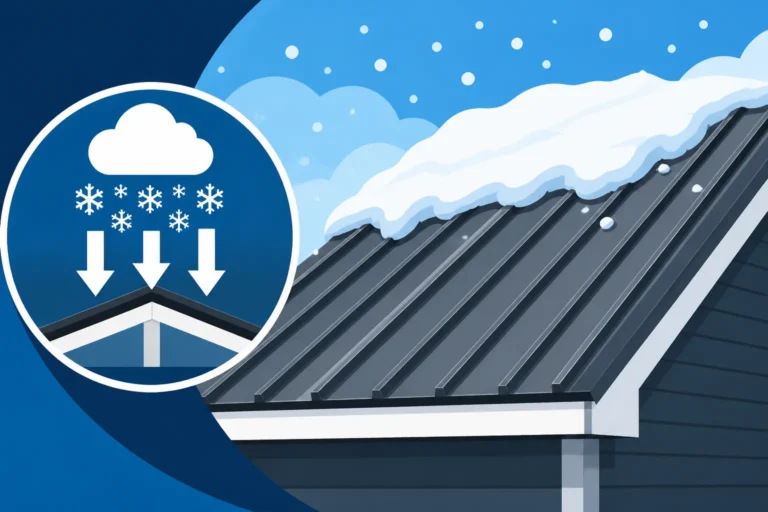
- Snow and Ice: Upstate New York, especially areas like Syracuse and Buffalo, are legendary for their heavy snowfall. Metal roofs are fantastic at shedding snow, which can prevent dangerous snow loads and ice dams. However, this also means the snow can slide off rapidly, potentially damaging landscaping, cars, or even posing a hazard to people below. Discuss options for snow guards with your installer. These small brackets can help distribute snow shedding more evenly and safely. The design of the roof, specifically the pitch, also plays a role in how effectively snow slides off; steeper roofs shed snow more quickly.
- Wind Uplift: Across the state, from the Great Lakes shorelines to the Hudson Valley, strong winds are a regular occurrence. The type of metal roof profile and fastening system you choose directly impacts its wind resistance. Standing seam systems, with their hidden fasteners and interlocking panels, generally offer superior wind uplift resistance compared to exposed fastener systems like corrugated panels. Ensure your chosen system is rated for the typical and extreme wind speeds in your specific New York location. The most robust installations will include proper underlayment and flashing details to create a truly formidable barrier.
- Expansion and Contraction: Metal expands and contracts with temperature changes. While modern metal roofing systems are designed to accommodate this movement, it's a critical installation factor. An experienced metal roofing contractor in New York will understand the importance of proper fastening techniques that allow for this thermal movement, preventing issues like oil canning or loosening of panels over time. This expertise is crucial for the long-term performance of your roof.
Local Regulations and Requirements
Navigating local regulations can sometimes feel like a maze, but it's a necessary step to ensure your metal roof project is compliant and hassle-free.
- Building Permits: In almost every city, town, or village in New York, a roof replacement requires a building permit. This isn't just bureaucratic red tape; it ensures that your new roof meets safety standards and local building codes. Your contractor should be responsible for pulling the necessary permits. Always ask for proof that a permit has been obtained before work begins. Doing work without a permit can lead to fines, difficulties with insurance claims, and issues when selling your home.
- HOA Restrictions: If your home is part of a Homeowners Association (HOA), you likely have covenants, conditions, and restrictions (CC&Rs) that dictate what kind of roofing materials, colors, and profiles are allowed. Some HOAs, particularly in more traditional communities, might initially resist metal roofs due to aesthetic concerns, even if they're modern and attractive. Before committing to a metal roof, thoroughly review your HOA documents and submit a formal request for approval. New York, like many states, has laws that might limit an HOA's ability to completely deny energy-efficient or hurricane-resistant improvements, but it's always best to get explicit approval in writing. Don't assume.
- Contractor Licensing and Insurance: Always, always hire a licensed and insured metal roofing contractor. In New York, roofing contractors are generally required to be licensed at the local county or city level, though not by the state directly. Verify their licensing status through your local municipality and ensure they carry comprehensive liability insurance and workers' compensation. This protects you from potential damages or injuries that could occur on your property during the installation. Asking questions to ask a metal roofing contractor before you hire is a crucial step in this process. A reputable contractor will be transparent about their credentials and happy to provide proof.
By keeping these New York-specific considerations in mind, you can approach your metal roofing project with confidence, ensuring not only a beautiful and durable roof but also one that is fully compliant and optimized for our unique climate.
Disclaimer
Please remember that the information provided in this article is for general guidance only and should not be considered professional financial, insurance, or legal advice. Insurance policies and their associated discounts can vary significantly based on your specific location, insurer, policy terms, and the particular characteristics of your roof. It is always recommended to consult directly with your insurance provider and a qualified roofing contractor to get personalized quotes, confirm eligibility for discounts, and ensure compliance with all local regulations.