How to Get a Wind Mitigation Inspection
The relentless march of rising insurance premiums, especially in areas prone to severe weather, can feel like a punch to the gut for homeowners. Many of us are looking for any advantage to protect our homes and our wallets. This guide is dedicated to walking you through the straightforward process of getting a wind mitigation inspection, an essential step that could significantly reduce your homeowners insurance costs, particularly if you’ve invested in the robust protection of a metal roof.
Understanding Wind Mitigation Inspections for Your Metal Roof
When you live in a region that experiences its fair share of high winds, hurricanes, or even just strong seasonal gusts, the integrity of your home's roof is paramount. Insurance companies understand this, and they offer incentives for homes that are built or upgraded to better withstand these forces. That's where a wind mitigation inspection comes in. It's not just another checklist; it's a specialized assessment designed to pinpoint features in your home that actively reduce damage during extreme weather events, and critically, it can lead to tangible savings on your policy.
The Core Purpose of a Wind Mitigation Inspection
At its heart, a wind mitigation inspection is about risk assessment. For insurance carriers, a home with verified wind-resistant features presents a lower risk of damage, which translates directly to fewer claims and, ideally, lower premiums for you. Think of it as proving to your insurance company that you've done your homework and invested in a resilient structure. While valuable for any home, this inspection is particularly advantageous for properties with metal roofs. Metal roofing materials are inherently durable and resistant to uplift, often outperforming traditional asphalt shingles in high-wind scenarios. The inspection validates these strengths, ensuring your insurer acknowledges the enhanced protection your metal roof provides.
It's about more than just the roof material itself, though. The inspection delves into how well your roof is secured to the rest of your home, how resistant your windows and doors are to flying debris, and even the overall shape of your roof. Each of these elements plays a crucial role in how your home will fare when a storm hits. By identifying and documenting these protective measures, the inspection provides a standardized report that insurance companies can use to adjust your policy rates.
Key Elements Evaluated in the Inspection
A comprehensive wind mitigation inspection looks at several key components of your home's construction. These generally fall into seven categories, and each one contributes to your home's overall wind resistance score. Understanding these elements will help you appreciate the value of the inspection and why a well-installed metal roof often scores exceptionally well.
First, the Roof Covering itself is assessed. This includes the material type (like your metal panels), its age, and its specific wind resistance rating. A metal roof, especially a standing seam or stone-coated steel roof, typically has a superior wind resistance rating compared to many other materials. Next, the Roof Deck Attachment refers to how securely your roof's sheathing (the plywood or OSB) is fastened to the trusses or rafters. Inspectors look for the type of fasteners (e.g., 8d nails vs. staples) and their spacing. Stronger, more frequent fasteners mean less chance of the roof deck detaching.
Then comes the critical Roof-to-Wall Attachment. This is where inspectors examine how the entire roof structure is connected to the exterior walls of your home. They'll be looking for things like hurricane clips, straps, or specific nailing patterns that provide a continuous load path from the roof down to the foundation, preventing the roof from lifting off in high winds. The Roof Geometry is also important; hip roofs, for instance, are generally more aerodynamic and perform better in high winds than gable roofs, often earning better ratings.
Secondary Water Resistance (SWR) is another significant factor. This refers to an additional layer of protection installed directly on the roof deck, beneath the primary roof covering. Products like self-adhering ice and water shield or specific synthetic underlayments act as a backup barrier against water intrusion if your metal roof panels were to be compromised during a severe storm. This is a huge benefit, and a properly installed Metal Roof Underlayment and Ventilation Guide can greatly contribute to a positive SWR rating. Finally, Opening Protection assesses how well your windows, doors, and garage doors can resist impact from wind-borne debris, often measured by their ability to withstand certain missile impact tests. Good protection here can prevent serious interior damage from water and wind.
The Step-by-Step Process of Getting an Inspection
Navigating the process of getting a wind mitigation inspection doesn't have to be complicated, but knowing what to expect can certainly ease any anxieties. From finding the right professional to understanding the report, each step is designed to accurately document your home's wind-resistant features. It's a small investment of time and money that can yield substantial long-term savings and provide invaluable peace of mind.
Finding a Qualified Wind Mitigation Inspector
The first, and arguably most important, step is to find a qualified and reputable wind mitigation inspector. This isn't a job for just anyone; you need a professional who is licensed and experienced. In many states, particularly those with stringent building codes like Florida, the inspection must be performed by a licensed general contractor, building inspector, architect, or professional engineer. It’s crucial to verify their credentials and ensure they are properly insured.
Don't hesitate to ask for references or check online reviews. When specifically dealing with a metal roof, it can be beneficial to find an inspector with experience assessing metal roofing systems. They’ll be familiar with the various panel types, fastening methods (like those used in Standing Seam Metal Roof Cost installations), and nuances that might be missed by someone less experienced with this specific material. A good inspector will be thorough, knowledgeable, and able to clearly explain their findings. This attention to detail from a professional inspector can significantly impact the outcome of your report and your potential insurance savings.
Preparing for the Inspection Day
Once you’ve scheduled your inspection, a little preparation on your part can go a long way in ensuring a smooth and accurate assessment. Gathering relevant documentation beforehand can streamline the process and provide the inspector with valuable context about your home's construction and recent upgrades. For instance, having copies of original building permits, especially for your roof installation, can be extremely helpful. These permits often detail the type of roof covering, the nail patterns, and any hurricane straps or clips used during construction or renovation.
If you recently had your metal roof installed, provide your inspector with information about the gauge of the metal, the specific fasteners used, and the type of underlayment. Details like whether you have a 24 gauge vs 26 gauge metal roof can influence the report. Ensure that the inspector has clear and safe access to all necessary areas of your home. This typically includes the attic (where roof-to-wall connections are visible), the exterior perimeter of the house, and all windows and doors. Clearing away any clutter, especially in the attic or around entry points, makes the inspector's job easier and helps them conduct a comprehensive review. The more information and access you provide, the more precise and beneficial your inspection report will be.
What Happens During the Inspection and Report Review
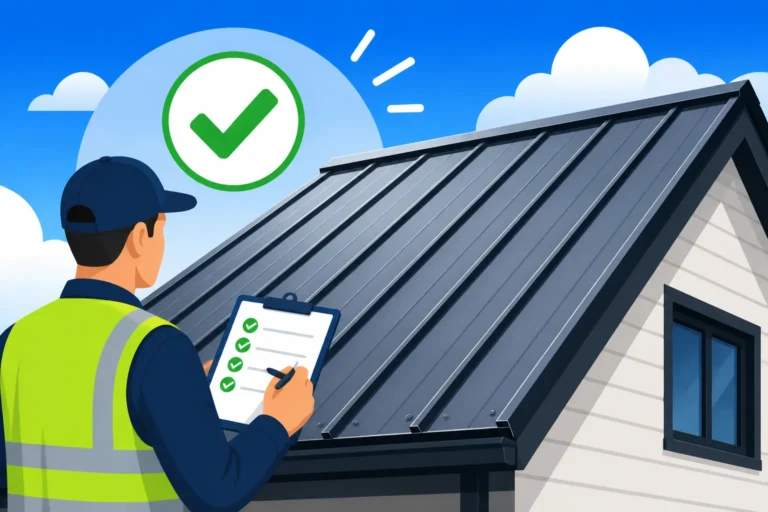
On the day of the inspection, the professional will systematically examine your home, focusing on the seven key areas that determine its wind resistance. They'll likely start with the roof, looking at the type of metal panels, their condition, and confirming the age of the installation. For example, a What Is a Standing Seam Metal Roof? will be assessed differently than an exposed fastener system. Inside the attic, they will meticulously check the roof deck attachment, counting the number and type of fasteners used to secure the sheathing. They'll also inspect the critical roof-to-wall connections, documenting the presence and type of hurricane clips or straps that tie your roof to your walls.
The inspector will measure your roof's geometry (e.g., hip versus gable) and look for secondary water resistance layers beneath your metal roof panels. They'll also check all accessible openings – windows, doors, and garage doors – to determine if they meet impact-resistant standards or have appropriate protective coverings (like hurricane shutters). Throughout this process, they will take numerous photos and detailed measurements to support their findings. Once the on-site inspection is complete, the inspector will compile their findings onto an official wind mitigation report form, often the OIR-B1-1802 in Florida, which has become a de facto standard. You'll receive this report, which clearly outlines your home's wind-resistant features and assigns ratings for each category. It's essential to review this report carefully and ask your inspector any questions you might have.
Maximizing Your Insurance Savings with a Metal Roof
The true payoff for getting a wind mitigation inspection, especially with your durable metal roof, comes in the form of potential savings on your homeowners insurance. It's a proactive step that allows you to leverage your home's resilience to reduce one of the most significant recurring costs of homeownership. Understanding how to use your inspection report effectively can translate into substantial discounts and a quicker return on your investment.
Submitting Your Report for Insurance Discounts
Once you have your completed wind mitigation report in hand, the next crucial step is to submit it to your insurance provider. You don't need to do anything fancy – simply send them a copy of the official document. Your insurer will then review the report and apply any eligible discounts based on the documented features of your home. Because metal roofs are known for their exceptional durability and wind resistance, your home is likely to qualify for some of the best possible credits. For instance, a Class 4 impact-resistant metal roof can lead to significant savings on the dwelling portion of your policy.
Insurance companies often prioritize homes with robust roof-to-wall connections, a hip roof shape, and verified secondary water resistance, all of which are common benefits of a properly installed metal roof. For example, some insurers offer discounts for specific roof covering wind ratings, which your metal roof is almost guaranteed to meet or exceed. These are not trivial savings; they can sometimes shave a considerable percentage off your annual premium, making your investment in a metal roof even more financially sound. Exploring Metal Roof Insurance Savings & Discounts further can illuminate the full scope of potential financial benefits.
Understanding Potential Savings and ROI
It's important to have realistic expectations about the exact amount of savings you'll see. While metal roofs are excellent for wind mitigation, the specific discount percentage can vary widely based on your insurance company, your geographic location, and the precise combination of wind-resistant features documented in your report. Generally, homeowners can expect to save anywhere from 5% to 45% on the wind portion of their homeowners insurance premium. In areas with high wind risk, these savings can be quite substantial.
The cost of a wind mitigation inspection typically ranges from $100 to $250, depending on your location and the complexity of your home. When you factor in the annual savings on your insurance premium, you'll often find that the inspection cost is recouped within the first year, sometimes even within a few months. This rapid return on investment underscores why getting a wind mitigation inspection is a smart financial move, further solidifying the long-term value of your metal roof, as detailed in discussions like Is a Metal Roof Worth It? ROI, Resale & Payback. Beyond the immediate savings, it also provides the peace of mind that your home is better prepared for whatever Mother Nature throws its way.
Re-Inspection and Maintaining Your Roof's Performance
Wind mitigation reports aren't forever. Most states or insurance carriers stipulate that these reports are valid for a specific period, typically five years. This means that after five years, you'll likely need to schedule a new inspection to continue receiving your insurance discounts. This re-inspection process is generally the same as the initial one, ensuring that your home's wind-resistant features are still intact and performing as expected.
Regular Metal Roof Maintenance Guide is key to ensuring your roof continues to meet the standards that qualified you for discounts in the first place. Keeping your roof clean, addressing minor repairs promptly, and inspecting for any wear and tear will help it maintain its integrity for future inspections. If you undertake any significant roof renovations or decide to replace your roof, a new wind mitigation inspection is absolutely critical to document the updated features. For instance, if you decide to go through the Cost to Replace Shingles With a Metal Roof process, the enhanced wind resistance of the new metal roof will undoubtedly lead to improved ratings and potentially even greater savings. Staying proactive with re-inspections and maintenance ensures you continually maximize your insurance benefits.
| Feature Assessed (OIR-B1-1802 Form) | Description | Typical Metal Roof Performance |
|---|---|---|
| Roof Covering | Material, age, and wind resistance rating. | Excellent: High wind ratings (often 110-150+ MPH), Class A fire, Class 4 impact. |
| Roof Deck Attachment | Fasteners used to secure roof sheathing to trusses/rafters (e.g., nails, staples, spacing). | Good to Excellent: Requires proper installation with specified nail types/spacing; often meets high standards. |
| Roof-to-Wall Attachment | Connectors between roof trusses/rafters and exterior walls (e.g., clips, straps). | Excellent: Crucial for all roofs; metal roof installation often includes robust hurricane straps or clips. |
| Roof Geometry | Shape of the roof (e.g., hip, gable, flat). | Good (Hip) / Fair (Gable): Hip roofs perform better; metal can be applied to various geometries. |
| Secondary Water Resistance (SWR) | Underlayment that provides a secondary barrier against water intrusion. | Excellent: Modern synthetic underlayments and ice & water shields offer superior SWR. |
| Gable End Bracing | Reinforcement of gable end walls for stability. | Varies: Dependent on home construction; not directly related to roof material but important for overall integrity. |
| Opening Protection | Impact resistance of windows, doors, and garage doors. | Varies: Not related to roof material, but important for overall home protection and insurance credits. |
Disclaimer
Please remember that the information provided in this article is for general guidance only and does not constitute professional advice. Building codes, permit requirements, and insurance policies can vary significantly by location and specific circumstances. Always consult with a licensed roofing contractor, certified home inspector, and your insurance provider to understand the specific requirements and opportunities applicable to your home and situation.