Should You Trust a Roofer Who Knocks on Your Door
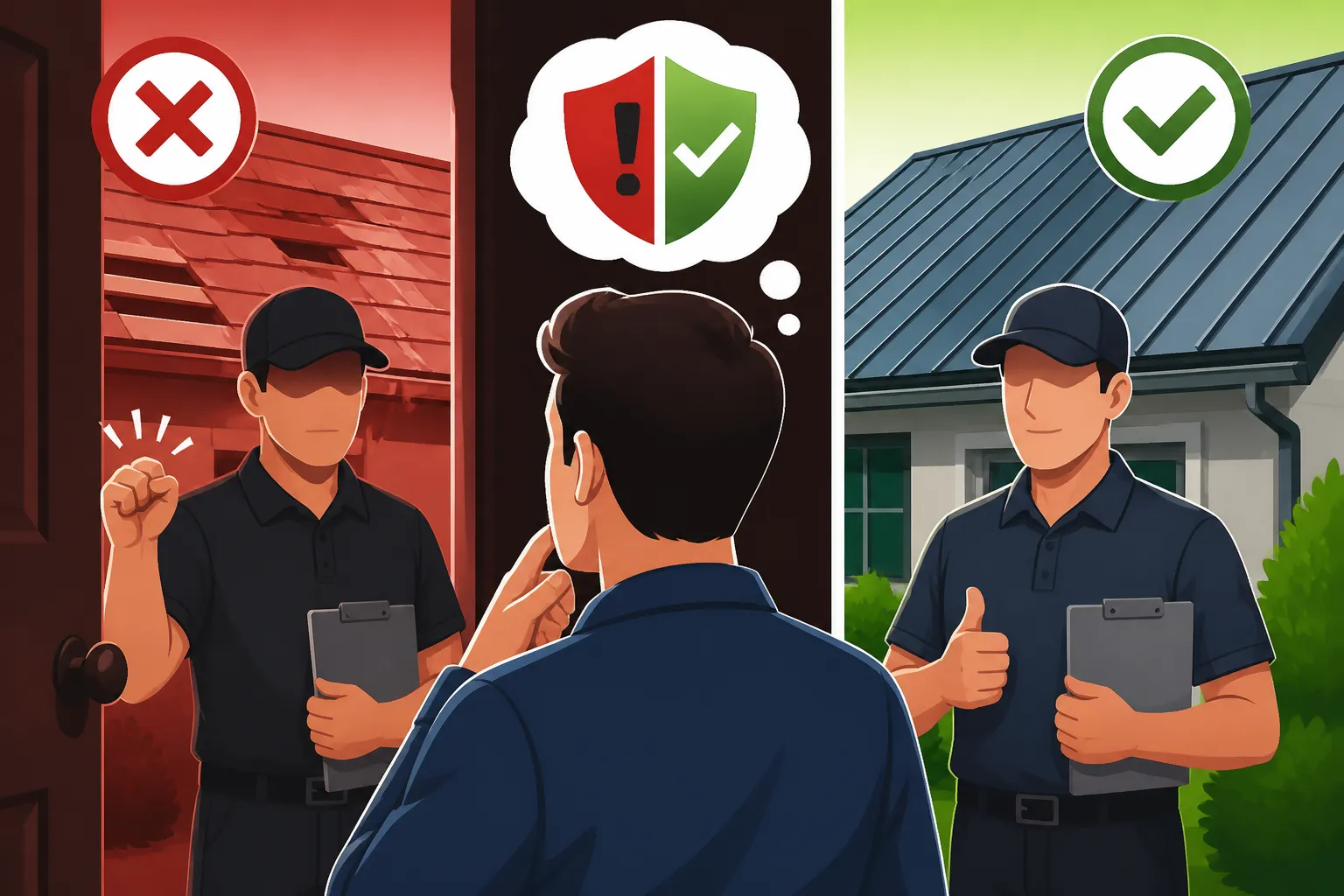
That moment when there’s a knock on your door, and it’s a roofer offering a free inspection or a quote for work you didn't even know you needed – it can throw anyone off balance. In the wake of a recent storm, or even just on a sunny afternoon, deciding whether to trust a contractor who shows up uninvited is a genuine dilemma. This guide is here to help you navigate that situation, providing clear steps and warning signs so you can make an informed decision and protect your home and wallet.
Why Roofers Knock on Doors: Understanding the Motivation
It’s natural to feel a mix of curiosity and suspicion when a roofer appears on your doorstep unannounced. Are they just trying to drum up business, or is there a genuine concern about your roof? Understanding the different motivations behind door-to-door solicitation can help you better assess the situation.
Post-Storm Activity and "Storm Chasers"
One of the most common scenarios for an unsolicited visit from a roofer is after a significant weather event, like a hailstorm or high winds. Unfortunately, this is also when the term "storm chasers" comes into play. These contractors often travel to areas hit by storms, sometimes from out of state, to capitalize on the sudden demand for repairs. They might promise quick fixes or aggressive help with insurance claims.
While some storm chasers are reputable businesses simply following the work, many are not. They might pressure you into signing a contract on the spot, exaggerate damage, or use inferior materials. It’s a sad reality, but many homeowners fall victim to these tactics when they're stressed about damage and eager for a solution. They can be incredibly convincing, often appearing friendly and knowledgeable, making it difficult to discern their true intentions. Always be extra vigilant after a storm, as this is prime time for less-than-ethical operators to emerge.
Legitimate Local Businesses Seeking Work
Not all door-knockers are out-of-town scammers. Sometimes, a local roofing company might genuinely be canvassing a neighborhood where they’ve just completed a job or have noticed similar roof types that might be nearing their lifespan. They might be trying to build their local presence or offer their services to neighbors of a satisfied client. This type of solicitation is often more transparent and less pushy.
A legitimate local business will usually be happy to provide local references, show you their business license, and have a clear, established presence in your community. They won't pressure you for an immediate decision and will encourage you to do your due diligence. They understand that trust is built over time, not demanded on a doorstep. If they’ve just finished a roof down the street, it’s not unreasonable for them to introduce themselves and offer their services to you.
Opportunistic Sales Tactics
Beyond storm chasing and local outreach, some roofers simply use door-to-door visits as a direct sales strategy. They might offer a "free inspection" with the hope of finding repair needs or convincing you it's time for a replacement. This isn’t inherently wrong, as many businesses use various sales methods. However, the key is to discern if their approach is genuinely helpful or overly aggressive.
An opportunistic sales tactic from a reputable company will still adhere to ethical business practices. They'll leave you with information, offer to schedule a formal consultation, and respect your decision if you're not interested. The concern arises when these tactics cross into high-pressure sales, manipulation, or misrepresentation, which is why exercising caution is always a good idea, regardless of the roofer's initial presentation.
Red Flags and Warning Signs to Watch Out For
When someone approaches you unexpectedly about your roof, it's essential to stay alert for specific warning signs. These red flags aren't always definitive proof of a scam, but they should certainly prompt you to proceed with extreme caution and thorough investigation. Knowing what to look for can save you a lot of headaches and money in the long run.
High-Pressure Sales and Scare Tactics
One of the biggest red flags is feeling pressured into making a quick decision. A contractor who insists you sign a contract immediately, perhaps claiming a "limited-time offer" or that materials prices are about to skyrocket, is likely employing high-pressure tactics. They might try to create a sense of urgency, saying they only have crews in your area for a short window, or that delays will cost you more.
Another common scare tactic is exaggerating minor damage or even creating damage to convince you that your roof is in dire shape. They might show you photos of another roof's damage and claim it's yours, or point out insignificant issues as major structural failures. A reputable contractor will provide a clear, factual assessment of your roof's condition and allow you ample time to review their proposal and get other opinions. If you feel cornered or rushed, it’s a strong signal to step back.
Demanding Immediate Payment or Large Upfront Deposits
While a reasonable deposit is common practice for roofing projects, be very wary of a roofer who demands full payment upfront or an unusually large deposit. In many states, there are regulations limiting the amount of an upfront deposit a contractor can request. For instance, in some areas, a deposit of more than 10-20% of the total cost or a specific dollar amount might be illegal or highly suspicious. You can learn more about a normal deposit and payment schedule for a roof.
Also, be cautious if they only accept cash payments. This is a tactic often used by unscrupulous contractors to avoid creating a paper trail or to dodge taxes. Always pay with a check or credit card, which provides a record of the transaction and some level of protection. Never hand over a large sum of money without a signed contract, clear milestones for payment, and verification of their business legitimacy.
Lack of Proper Identification and Documentation
A professional roofing contractor should arrive with clear identification and be ready to provide documentation about their business. This includes business cards, company uniforms, and vehicles with company branding. More importantly, they should readily offer proof of their licensing, bonding, and insurance. If they hesitate or claim these aren't necessary, that's a serious red flag.
You have every right to ask for proof of general liability insurance and workers' compensation insurance. This protects you in case of accidents or damage during the project. A contractor who can't or won't provide these documents, or whose documents appear suspicious, is not someone you want working on your home. It’s also wise to check their physical address – a P.O. box is not a good sign for a local business. Verifying their metal roof contractor licensing, bonding & insurance is a critical step in your due diligence.
Quotes That Seem Too Good to Be True
Everyone loves a good deal, but if a quote from a door-knocking roofer seems significantly lower than what you'd expect or what other contractors have offered, it's time to be suspicious. An unusually low price often indicates corners being cut. This could mean using substandard materials, hiring uninsured or untrained labor, or performing shoddy workmanship that will lead to problems down the road.
These "too good to be true" offers are designed to hook you quickly before you have a chance to compare bids. They might leave out critical elements of the job in the quote, like tear-off costs, underlayment, or flashing, only to hit you with hidden fees later. Always aim to get multiple metal roof quotes from different sources to ensure you're getting a fair and comprehensive price for quality work. If a quote lacks detail or is vague about materials and labor, consider it a warning.
How to Vet an Unsolicited Roofing Contractor
So, a roofer is at your door. You've heard their pitch. Now what? The crucial next step is to vet them thoroughly, just as you would any contractor you sought out yourself. This process is about moving from suspicion to verified trust, or confirming your initial doubts.
Verifying Licenses, Insurance, and Bonding
This is non-negotiable. Before you let anyone lay a finger on your roof, you must verify their credentials. Every legitimate roofing contractor should be licensed, bonded, and insured. The requirements vary by state and even by municipality, so it’s important to know what’s expected in your area. For example, some states require specific roofing licenses, while others might fall under a general contractor's license.
- Licensing: Check with your state's contractor licensing board or local building department. They usually have online databases where you can input a company's license number to verify its active status and any disciplinary actions.
- Insurance: Request proof of general liability insurance and workers' compensation insurance. Call the insurance provider directly using the number on the certificate (not one given by the contractor) to confirm the policy is active and covers roofing work for the scope of your project. This protects you if a worker gets injured or your property is damaged during the job.
- Bonding: While not always required for residential work, bonding offers financial protection if the contractor fails to complete the work or defaults on other obligations. It's an extra layer of security.
Don't just take their word for it or look at a printed copy of a document. Always verify independently. Platforms like Modernize can sometimes help you connect with vetted contractors who have these checks in place, or at least provide a starting point for your own verification. Remember, if a contractor is unwilling to provide this information or it doesn't check out, it's a major red flag and you should move on.
Checking References and Online Reviews
A contractor's reputation is built on their past work. Ask the door-knocking roofer for a list of recent local references—people whose roofs they’ve worked on in your community. Contact these references and ask specific questions about their experience: Was the project completed on time and within budget? Was the communication clear? Were they satisfied with the quality of the work and the cleanup?
In today's digital age, online reviews are also a powerful tool. Check platforms like Google, Yelp, the Better Business Bureau (BBB), and industry-specific sites. Look for consistent patterns in reviews, both positive and negative. A few negative reviews aren't necessarily a deal-breaker, but a significant number of complaints about shoddy work, unresponsiveness, or unresolved issues should give you pause. Also, see how the contractor responds to criticism – a professional company will often address concerns publicly and try to resolve them. This is an essential step in Metal Roofing Contractors Near Me: How to Find & Vet.
Getting Multiple Bids and Detailed Quotes
Never, ever agree to work with the first roofer who knocks on your door, especially if you haven't sought them out. Always get at least three detailed bids from different contractors. This allows you to compare not just the price, but also the scope of work, materials, timelines, and warranties offered. A reputable contractor will expect and even encourage you to get other estimates.
When comparing bids, ensure they are apples-to-apples. Do all quotes include the same type and quality of materials (e.g., 24 vs 26 gauge metal roof), the same scope of work (e.g., tear-off of old roof, underlayment, flashing, cleanup), and the same warranties? Pay close attention to how to read and compare metal roof quotes. If one quote is significantly lower than the others, be suspicious and ask for a detailed explanation of why. Use a service like Modernize to help you get additional quotes from pre-screened professionals in your area. This way, you're not relying solely on an unsolicited offer.
Asking the Right Questions
Once you have a potential contractor's information, engage them with a list of critical questions. This isn't just about getting answers; it's about observing their demeanor, transparency, and knowledge. Here are some key questions to ask a metal roofing contractor before you hire:
- "Can you provide proof of your license, insurance, and bonding?" (As discussed above, verify these yourself).
- "How long have you been in business?" (Longevity often indicates stability and experience).
- "What kind of warranty do you offer on labor and materials?" (Understand the terms and duration).
- "Can you provide references from past clients in my area?" (And follow up on them).
- "Who will be doing the work, your employees or subcontractors?" (This impacts insurance coverage and oversight).
- "What is your project timeline, and how do you handle unexpected delays?"
- "What safety measures do your crews take?"
- "How do you handle debris and cleanup?"
- "Do you pull all necessary permits?" (The contractor should always be responsible for this).
- "What steps do you take to protect my landscaping and property during the job?"
Their willingness to answer these questions thoroughly and clearly, without evasion or annoyance, is a good indicator of their professionalism.
Protecting Yourself from Roofing Scams
The best defense against a roofing scam is a good offense: being prepared, informed, and assertive. Falling victim to a scam can be financially devastating and incredibly stressful. Taking these proactive steps can help ensure your roofing project is handled safely and professionally.
Never Sign Under Pressure
This cannot be stressed enough: never sign a contract on the spot with a roofer who knocks on your door. High-pressure tactics are a hallmark of fraudulent operations. A legitimate contractor will give you time to think, consult with family, compare bids, and review the contract details. If they tell you the deal is only good "right now," it's almost always a trick to prevent you from doing your due diligence.
Take the contract, read every word, and don't hesitate to seek legal advice if anything is unclear or seems suspicious. Remember, once you sign, you're often legally bound, and getting out of a bad contract can be very difficult. Your home is one of your most significant investments; a few extra days of careful consideration are always worth it. Understanding Metal Roofing Scams and Red Flags to Avoid is crucial.
Document Everything and Get It in Writing
Any agreement, no matter how small, should be in writing. This includes the scope of work, materials to be used (including specific brands and colors), project timeline, payment schedule, and warranty details. Verbal agreements are almost impossible to enforce if disputes arise. A comprehensive metal roof contract should include all these specifics.
Keep meticulous records of all communications, including dates, times, and summaries of conversations. Take photos before, during, and after the project to document the condition of your roof and property. This documentation is your strongest ally if there are disagreements about the work performed, materials used, or financial arrangements. It provides clear evidence of what was agreed upon and what transpired.
Know Your Rights as a Homeowner
Many jurisdictions have consumer protection laws that apply to home improvement contracts, especially those initiated by door-to-door sales. For example, the Federal Trade Commission's "Cooling-Off Rule" gives consumers three business days to cancel sales made at their home (or other locations not the seller's permanent place of business) for purchases over a certain amount. This rule gives you a vital window to reconsider your decision without penalty.
Familiarize yourself with your state and local consumer protection laws regarding contractors and home improvement. Knowing your rights empowers you to stand firm against aggressive sales tactics and gives you recourse if a contractor fails to deliver on their promises or attempts to defraud you. Organizations like the Better Business Bureau or your state's Attorney General's office are excellent resources for understanding consumer rights and reporting potential scams. Always be proactive in protecting your interests.
| Feature/Action | Legitimate Roofer | Potential Storm Chaser/Scammer |
|---|---|---|
| Approach | Professional, informative, provides business card, offers to schedule later. | High-pressure, insists on immediate inspection/decision, vague on details. |
| Documentation | Readily provides verifiable license, insurance, bond info, local references. | Reluctant to show documents, claims "just starting out," P.O. box address, out-of-state plates. |
| Quote & Contract | Detailed, written quote with materials, labor, cleanup; fair price range; clear contract. | Vague, handwritten quote; extremely low/high price; pushes for immediate signing; cash-only. |
| Payment Terms | Reasonable deposit (10-20%), progress payments linked to milestones, accepts checks/credit. | Demands large upfront cash payment, insists on full payment before work begins. |
| Local Presence | Established local office, local phone number, vehicles with company branding. | No physical address, generic phone number, temporary local office, unmarked vehicles. |
| Post-Storm Behavior | Advises homeowners to contact insurance, offers inspection, provides detailed report. | Exaggerates damage, pressures for insurance claim, offers to "handle" insurance for you. |
| Warranty | Clear, written warranty for materials and workmanship. | Vague verbal promises, no written warranty, or a warranty from an unknown entity. |
Disclaimer
Please remember that the information provided in this article is intended for general guidance and informational purposes only, and does not constitute professional advice. Roofing regulations, building codes, and licensing requirements can vary significantly by location and change over time. Always consult with local authorities and qualified professionals for advice tailored to your specific situation and location before making any decisions related to your metal roofing project.