Is a Standing Seam Roof Worth the Extra Cost
Thinking about replacing your roof, and that sleek, modern standing seam metal roof keeps catching your eye? You're not alone. Many homeowners are drawn to the undeniable curb appeal and reputation for longevity that standing seam offers, but then that initial sticker shock hits, making you wonder if it’s truly worth the significantly higher upfront investment compared to traditional options or even other metal roofing styles. This guide is here to unravel that very dilemma, helping you understand the real value behind the cost and if it aligns with your home, budget, and long-term goals.
Understanding the "Extra Cost" of Standing Seam Roofing
Let's be real, the moment you get a quote for a standing seam metal roof, you might do a double-take. It's often one of the more expensive roofing options out there, sometimes even double the cost of a good asphalt shingle roof. But understanding why it costs more is the first step in determining if that extra investment is justified for your particular situation. It's not just about the material; it's a whole package deal.
What Makes Standing Seam More Expensive?
The price tag on a standing seam metal roof isn't arbitrary; it's a reflection of several key factors that contribute to its superior performance and aesthetics.
First off, the materials themselves are typically of higher quality and greater gauge (meaning thicker) than many other metal roofing products. Standing seam panels are often crafted from materials like Galvalume steel, aluminum, or even more premium metals like copper or zinc. These materials are engineered for extreme durability and longevity, often featuring advanced paint systems like Kynar 500 (PVDF) that resist fading, chalking, and corrosion for decades. The manufacturing process for these custom-length, inter-locking panels is also more precise and specialized, contributing to their higher material cost. For instance, a 24-gauge standing seam panel is going to be more robust and thus more expensive than a 29-gauge corrugated panel. The specific type of metal roof material will greatly influence the overall Metal Roof Cost by Material: Steel vs Aluminum vs Copper vs Zinc.
Secondly, and perhaps most significantly, is the installation complexity and labor. This isn't a DIY job for most homeowners, nor is it a task for just any roofer. Installing a standing seam roof requires highly specialized skills, tools, and experience. The panels are typically custom-fabricated for each roof section, then precisely cut, hemmed, and seamed together on-site or pre-fabricated and carefully installed. Unlike exposed fastener metal roofs where screws go right through the panel, standing seam panels are attached to the roof deck using hidden clips and fasteners. This method not only creates a clean, smooth appearance but also allows the metal to expand and contract freely with temperature changes, preventing issues like oil canning and premature wear. This intricate process means more labor hours and a higher hourly rate for the skilled craftsmen who perform the work. You’ll want to look for roofers who specialize in How to Find a Standing Seam Roof Specialist. The expertise required means that the Metal Roof Labor Cost will be a significant portion of the overall project.
Finally, there are the components and accessories. A standing seam roof system is comprehensive, including specialized trims, flashings, closures, and sealants that are crucial for its watertight integrity and aesthetic finish. These aren't generic off-the-shelf parts; they are designed to integrate seamlessly with the standing seam panels, adding to the overall material and installation cost. Each component, from the ridge cap to the drip edge, plays a vital role in ensuring the roof performs as intended for its impressive lifespan. You might find it helpful to understand Metal Roof Components & Accessories Explained.
Comparing Initial Costs: Standing Seam vs. Other Metal Roof Types and Asphalt
To truly gauge the "extra cost," it’s helpful to put standing seam metal roofing into perspective against its common counterparts. When looking at the initial investment, standing seam generally sits at the higher end of the spectrum for residential roofing.
Let's compare it to an asphalt shingle roof, which is still the most common roofing material in North America. A new asphalt shingle roof might cost you anywhere from $4.50 to $8.00 per square foot installed, depending on the shingle quality and roof complexity. In contrast, a standing seam metal roof often ranges from $10.00 to $18.00 per square foot or even more, for materials and installation. So, for a typical 2,000 square foot roof, you could be looking at a difference of $10,000 to $20,000 or more on the initial outlay. If you want a deeper dive, check out Metal Roof vs Asphalt Shingle Cost.
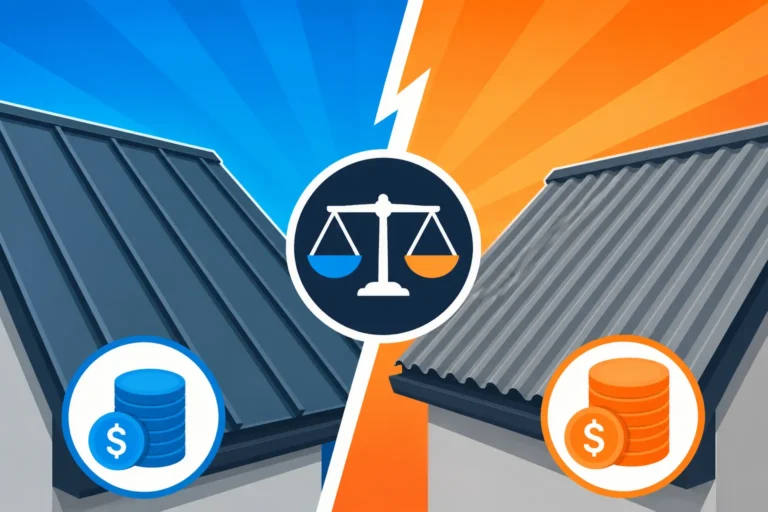
When we compare it to other types of metal roofing, the distinction is also clear. Exposed fastener metal panels, like corrugated or R-panel roofs, are typically the most budget-friendly metal options, often costing $5.00 to $10.00 per square foot installed. These systems are simpler to install because the fasteners go directly through the panels into the roof deck. While durable, they don't offer the same sleek, hidden fastener aesthetic or the expansion/contraction benefits of standing seam. Metal shingles or metal tiles also vary in price, but often fall somewhere between exposed fastener panels and standing seam, typically $8.00 to $15.00 per square foot. These can mimic the look of traditional shingles, slate, or tile.
Here’s a simplified breakdown to illustrate the typical cost ranges (including materials and installation) for various residential roofing types:
| Roofing Type | Average Cost Per Square Foot (Installed) | Key Characteristics |
|---|---|---|
| Asphalt Shingles | $4.50 – $8.00 | Most common, affordable, shorter lifespan (15-30 years) |
| Corrugated Metal | $5.00 – $10.00 | Exposed fasteners, durable, good for utility buildings, longer lifespan (30-50 years) |
| Metal Shingles/Tiles | $8.00 – $15.00 | Mimics traditional looks, durable, often hidden fasteners, long lifespan (40-70 years) |
| Standing Seam Metal | $10.00 – $18.00+ | Hidden fasteners, premium look, superior durability, very long lifespan (50-75+ years) |
| Copper (Standing Seam) | $20.00 – $40.00+ | Ultra-premium, exceptional lifespan (100+ years), distinct patina |
Note: These are average ranges and can vary significantly based on location, roof complexity, specific materials, and contractor rates.
This table highlights that while standing seam does command a higher price, it's not the most expensive option, especially when considering specialized materials like copper. The crucial takeaway is that the "extra cost" for standing seam is a premium you pay for a particular set of benefits that cheaper alternatives simply don't offer. If you're comparing a Standing Seam Metal Roof Cost to a Corrugated Metal Roof Cost, you'll see a clear difference.
The Long-Term Value Proposition of Standing Seam Metal Roofs
Now that we've established why standing seam costs more upfront, let's pivot to the really important question: what do you get for that extra money? The answer, for many, lies in the exceptional long-term value. A roof isn't just an expense; it's a critical investment in your home's protection and performance.
Durability and Lifespan: Is the Investment Justified Over Decades?
This is where standing seam truly shines and often justifies its higher initial cost. Standing seam metal roofs are renowned for their incredible durability and extended lifespan, far surpassing most other roofing materials. While a traditional asphalt shingle roof might last 15-30 years, a high-quality standing seam metal roof can easily last 50-75 years or even longer. Many manufacturers offer warranties ranging from 30 to 50 years on their materials and finishes, which speaks volumes about their expected performance. You can delve into How Long Does a Standing Seam Metal Roof Last? for more details.
Consider a homeowner who installs an asphalt shingle roof. They might need to replace it two or even three times over the lifespan of a single standing seam metal roof. Each replacement involves not only the cost of new materials and labor but also the hassle of tearing off the old roof, potential damage to landscaping, and the disruption to daily life. Over 50 years, those multiple asphalt shingle replacements can easily exceed the initial cost of a standing seam roof, making the metal option a more economical choice in the long run.
Standing seam panels are highly resistant to common roofing foes:
- Weather Extremes: They can withstand high winds, heavy snow loads, and torrential rains. Many standing seam systems have high wind ratings, often capable of resisting winds up to 140 mph or more, which is crucial in storm-prone areas like Florida or coastal regions. They also handle thermal expansion and contraction better than exposed fastener systems, reducing stress on the materials.
- Fire: Metal roofs are non-combustible, earning them a Class A fire rating, the highest possible. This offers superior protection against fire, which can also lead to Metal Roof Insurance Savings & Discounts.
- Impact: While not entirely immune, good quality standing seam often boasts a Class 4 impact resistance rating, meaning it can shrug off hail much better than asphalt shingles. This is a big deal in hail alley states. However, it's important to understand that even with impact resistance, severe hail can sometimes cause cosmetic dents, which might be subject to a Metal Roof Cosmetic Damage Insurance Exclusion.
The robust nature of standing seam means fewer repairs, less maintenance, and ultimately, a more secure and worry-free roof for generations. The initial investment pays dividends in peace of mind and avoided future expenses.
Energy Efficiency and Savings: How Does It Impact Your Wallet Annually?
Beyond longevity, standing seam metal roofs offer tangible benefits in terms of energy efficiency, which translates into real savings on your utility bills year after year. This is particularly true in warmer climates or during hot summer months.
Metal roofs, especially those with lighter colors or specialized coatings, are highly reflective. They reflect a significant portion of the sun's radiant heat away from your home, preventing heat from building up in your attic and living spaces. This reduces the workload on your air conditioning system, leading to lower electricity consumption. Many standing seam panels come with "cool roof" coatings, often containing pigments that reflect infrared radiation, further enhancing their energy-saving capabilities. For example, ENERGY STAR-certified metal roofs can reduce peak cooling demand by 10-15%.
In colder climates, metal roofs can also contribute to energy efficiency, though in a different way. While they reflect heat in summer, their ability to shed snow quickly can prevent excessive weight buildup and minimize ice dam formation, which can damage gutters and eaves. When properly insulated and ventilated, metal roofs create a highly efficient thermal envelope for your home. This aspect, combined with their reflective properties, makes them an excellent choice for Best Metal Roof for Hot Climates and Heat Reflection. Over the decades that a standing seam roof protects your home, these incremental energy savings can add up to a substantial sum, offsetting a portion of that higher initial cost.
Resale Value and Curb Appeal: What's the Return on Investment?
For many homeowners, the aesthetics of standing seam metal roofing are a primary draw. Its clean lines, sleek profile, and wide range of colors give homes a modern, sophisticated, or even rustic-chic look, depending on the architectural style. This elevated curb appeal isn't just about personal preference; it can significantly boost your home's resale value.
Real estate professionals often confirm that homes with metal roofs, especially standing seam, tend to sell faster and for a higher price. Buyers perceive them as premium upgrades that offer long-term benefits, reducing their own future maintenance concerns. A metal roof signals quality, durability, and a lower total cost of ownership over time. While the exact return on investment (ROI) can vary, studies often show that homeowners can recoup a significant portion, if not all, of their metal roof investment when they sell their home. Some reports suggest an ROI of 85% or more, particularly in areas where metal roofs are well-regarded for their performance against harsh weather. So, the question of Does a Metal Roof Increase Home Value? is often answered with a resounding yes.
Beyond just the functional benefits, a standing seam roof dramatically enhances your home's visual appeal, setting it apart in the neighborhood. This distinct look, whether it's the classic elegance of a dark bronze or the contemporary flair of a sleek silver, adds undeniable marketability to your property, making it a more attractive prospect for potential buyers down the line.
Factors to Consider Beyond the Price Tag
While cost and long-term value are paramount, there are other critical considerations when deciding if a standing seam roof is worth the extra investment. These factors often boil down to how well the roof integrates with your specific home, environment, and lifestyle.
Climate and Environmental Performance: Is It Right for Your Region?
The performance of a standing seam metal roof can be particularly advantageous depending on where you live. Different climates present unique challenges, and metal roofs are often designed to excel in many of them.
In regions prone to heavy snow and ice, like the Northeast or Rocky Mountains, standing seam roofs are fantastic. Their smooth, slick surface encourages snow and ice to slide off, preventing heavy buildup that can stress the roof structure and reduce insulation effectiveness. This "shedding" action can, however, require careful planning for snow guards to protect entryways, landscaping, and anything below the eaves. Understanding Metal Roof Snow Load Requirements is crucial here.
For areas with high winds and severe storms, such as hurricane zones in Florida or tornado-prone regions in the Midwest, the interlocking panel system and hidden fasteners of standing seam roofs provide superior wind resistance. Unlike shingles that can be peeled back by strong updrafts, standing seam panels create a continuous, robust shell that can withstand extreme weather events. This is why you often see Metal Roof Wind and Fire Ratings Explained in detail by manufacturers. If you live in a coastal area, a properly specified aluminum or Galvalume standing seam roof can also stand up to salt air exposure much better than many other materials.
In wildfire-prone areas, the Class A fire rating of metal roofs is a significant safety benefit, offering peace of mind and potentially lower insurance premiums. The non-combustible nature of metal means embers are less likely to ignite the roof, which is a major factor in areas like California or parts of the Pacific Northwest.
Consider your local weather patterns carefully. If you face any of these challenging conditions regularly, the durability and resilience of standing seam may make the extra cost a non-negotiable investment in your home's safety and longevity.
Aesthetics and Design: Does It Match Your Home's Style?
Beyond purely functional considerations, the aesthetic appeal of a standing seam roof plays a huge role in its perceived value. This roof style has a distinctive look that can either perfectly complement or clash with your home's architectural design.
Standing seam is often chosen for its modern, contemporary appeal. Its clean lines and smooth, unbroken panels create a sleek profile that looks fantastic on minimalist designs, modern farmhouses, and homes with strong architectural elements. The panels can be custom-cut to precise lengths, minimizing seams and creating a tailored look. With a vast array of colors available, from classic grays and blacks to vibrant reds and greens, you can truly customize the appearance to match your vision. You can explore Best Metal Roof Colors and How to Choose to find the perfect shade.
However, standing seam isn't just for modern homes. It can also be applied to traditional or rustic styles when paired with the right color and finish. For instance, a dark bronze or weathered zinc standing seam roof can add a sophisticated touch to a Craftsman home or a log cabin. The key is to consider your home's existing architecture, landscaping, and even your neighborhood's aesthetic. Does a standing seam roof enhance or detract from your home's overall character? Will it blend in or stand out in a way you desire? This is a very personal decision, but it's one that can greatly influence your long-term satisfaction with the investment.
Remember, this is a roof that will last for decades, so you need to love how it looks. If the aesthetic resonates with you and enhances your home's curb appeal, that's a significant value add beyond the purely practical benefits.
Maintenance Requirements: Less Hassle, More Savings?
One of the often-overlooked benefits of standing seam metal roofs is their remarkably low maintenance requirements. This translates directly into time saved, fewer headaches, and potential long-term cost savings compared to other roofing materials.
Unlike asphalt shingles that can shed granules, crack, or blow off in storms, standing seam metal panels are exceptionally robust. They don't typically require frequent inspections for missing or damaged pieces. The hidden fastener system means there are no exposed screws or washers to degrade over time, a common failure point for exposed fastener metal roofs. This significantly reduces the risk of leaks originating from fastener issues.
Regular maintenance typically involves:
- Cleaning: Periodically removing debris like leaves and twigs, especially from valleys or around chimneys, to prevent water damming. A simple rinse with a garden hose is often sufficient.
- Gutter Cleaning: Ensuring gutters are clear to allow for proper drainage, as with any roof.
- Periodic Inspection: A professional inspection every few years can catch any minor issues early, though issues are far less common than with other roof types.
Compared to the ongoing maintenance, repair costs, and eventual replacement costs associated with asphalt shingles, the minimal upkeep of a standing seam roof presents a compelling argument for its long-term value. Imagine not having to worry about major roof repairs after every significant storm or budgeting for a full roof replacement every 15-20 years. This reduction in the "total cost of ownership" over its lifespan is a major benefit that helps offset the higher initial price. For more on this, you might explore Metal Roof Maintenance Guide.
Making Your Decision: Is Standing Seam Right for You?
So, after weighing all these factors, how do you decide if that standing seam metal roof is truly worth the extra cost for your home? It boils down to aligning the benefits with your priorities, budget, and long-term vision.
When the Extra Cost is Absolutely Worth It
There are definite scenarios where the investment in a standing seam metal roof makes undeniable sense and proves to be a wise decision.
- If you plan to stay in your home for decades: The incredible lifespan of a standing seam roof (50-75+ years) means it could be the last roof you ever install. This eliminates the need for multiple future roof replacements, saving you significant money and hassle over the long run. The "cost per year" often makes it cheaper than asphalt shingles over an extended period. This touches on the core question of Metal Roof Cost vs Lifespan Value.
- You live in a challenging climate: If your home is in an area with frequent severe weather (high winds, heavy snow, hail, wildfires), the superior durability and protective qualities of standing seam offer invaluable peace of mind and protection for your home and family.
- You value energy efficiency: For homeowners focused on reducing their carbon footprint and lowering utility bills, especially in warm climates, the reflective properties and energy savings of standing seam are a compelling benefit.
- Aesthetics and curb appeal are a high priority: If you're looking to enhance your home's architectural style, achieve a modern look, or significantly boost its resale value, the distinct appearance of a standing seam roof is unmatched.
- Low maintenance is key: For those who prefer a "set it and forget it" approach to home maintenance, the minimal upkeep required by a standing seam roof is a major draw.
In these situations, the higher upfront cost is generally outweighed by the long-term savings, enhanced protection, and increased property value, making it a sound financial and practical investment.
When Other Options Might Be More Suitable
However, standing seam isn't the perfect solution for everyone, and in some cases, the extra cost might not be justified.
- If your budget is extremely tight for the upfront cost: While standing seam offers long-term value, the initial investment is substantial. If you simply don't have the immediate funds, or if financing options don't make sense for your situation, it might be better to explore more affordable, yet still durable, options like high-quality architectural asphalt shingles or even an exposed fastener metal roof. You can explore some of the Cheapest Metal Roof Options.
- You plan to sell your home in the very near future (1-5 years): While a standing seam roof does increase home value, you might not fully recoup the premium cost if you sell too soon. The initial investment might not have enough time to deliver its long-term savings in terms of energy efficiency and avoided replacement costs.
- Your home's aesthetic doesn't suit it: If a standing seam roof simply doesn't align with your home's architectural style or your personal taste, forcing it isn't worth the investment, no matter the benefits. There are other beautiful and durable roofing materials that might be a better fit.
- You're replacing a roof on a temporary structure or an outbuilding: For a shed, garage, or another auxiliary structure where the absolute longest lifespan or premium aesthetics aren't critical, the extra cost of standing seam might be overkill. A corrugated metal roof or asphalt shingles could be perfectly adequate and much more budget-friendly. How Much Does It Cost to Metal Roof a Garage is a common question, and for many, a less expensive option might suffice.
It's important to be honest with yourself about your priorities and financial situation. There's no shame in choosing a more affordable option if it better suits your immediate needs, as long as you're still investing in a quality product that will protect your home adequately.
Getting Accurate Quotes and Professional Advice
The absolute best way to make an informed decision is to gather multiple, detailed quotes from reputable roofing contractors. Don't just get one price; aim for at least three bids. When you're talking to contractors, make sure they break down the costs clearly, distinguishing between materials, labor, and any additional components. Ask about their experience specifically with standing seam metal roofs, their warranties, and check their references. You should definitely check out How to Read and Compare Metal Roof Quotes.
A good contractor will be able to discuss the pros and cons of standing seam specifically for your home and climate, helping you understand if the long-term benefits truly outweigh the initial "extra cost." They can also advise on factors like local building codes, permit requirements, and how the specific profile and material of the standing seam panels might affect your home's performance and appearance. Don't hesitate to ask questions about the installation process, the types of underlayment they use, and what kind of maintenance schedule they recommend. This due diligence will not only help you understand the true value but also ensure you choose a skilled installer for such a significant investment.
Disclaimer
Please remember that all cost estimates and timelines provided in this guide are general averages. Actual costs, project durations, and material availability can vary significantly based on your geographic location, the complexity of your roof, specific material choices, local labor rates, and the individual contractor you choose. Always obtain multiple detailed quotes from qualified local professionals before making any purchasing decisions. This content is for informational purposes only and does not constitute professional advice.