Do You Need a Permit for a Metal Roof in Tampa?
Considering a shiny, durable metal roof for your home in Tampa? It’s an excellent choice, promising longevity and protection, especially in our unique Florida climate. However, before you dive into selecting colors and styles, there's a crucial first step that often causes homeowners a fair bit of head-scratching: navigating the permit process. This guide will walk you through precisely why obtaining a permit is non-negotiable for a metal roof installation in Tampa, what the application journey entails, and how to ensure your project sails smoothly through local regulations, saving you potential headaches and expenses down the road.
The Absolute Necessity of a Metal Roof Permit in Tampa
When you're upgrading your home with a significant improvement like a metal roof, it's easy to feel overwhelmed by what seems like endless paperwork and bureaucratic hoops. But in a place like Tampa, getting a permit isn't just about adhering to rules; it's about safeguarding your property, your family, and your investment against the very real challenges our environment presents. This isn't just a suggestion, it's a mandatory requirement by the City of Tampa and Hillsborough County.
Why Permits Aren't Just Bureaucracy
Think of a roofing permit not as red tape, but as a critical safety net and quality control measure. The primary reason permits exist, especially for something as fundamental as your roof, is to ensure that all work performed meets established safety standards and building codes. In Florida, and particularly in coastal areas like Tampa, these codes are stringent for a very good reason: hurricane preparedness.
When you apply for a permit, you're essentially submitting your project plans for review by local building officials. They'll check to make sure the proposed installation methods, materials, and structural considerations comply with the latest Florida Building Code (FBC). This includes specific requirements for wind resistance, uplift pressure, and fastener patterns, which are absolutely crucial for a metal roof to withstand hurricane-force winds. Without this oversight, you could end up with a roof that looks great but is a serious liability when the next storm rolls through. It also protects your home's structural integrity, ensuring that the new roof is properly supported and won't compromise the rest of your home's framework. You can learn more about these broader rules by exploring our detailed guide on Metal Roof Building Codes Explained.
Specifics for Tampa Homeowners
Tampa, as part of Hillsborough County, operates under the comprehensive umbrella of the Florida Building Code, which includes specific provisions for High-Velocity Hurricane Zones (HVHZ). This means that any roofing project, especially a metal roof replacement, must adhere to elevated standards designed to protect homes in areas prone to severe wind events. For instance, metal roofing panels and fastening systems must have specific wind resistance ratings and be installed according to manufacturer specifications that meet or exceed the FBC's HVHZ criteria. This isn't just a recommendation; it's the law.
Another critical regulation in Florida that impacts many Tampa homeowners is the "25% Rule" for roof replacement. This rule states that if more than 25% of your existing roof covering is removed or replaced, the entire roof must be brought up to current building codes. So, even if you're only planning a partial repair or replacement, you might find yourself needing to upgrade the whole system to meet modern hurricane standards. This can significantly impact your project scope and, naturally, the cost. Understanding these local nuances is key to a smooth project.
Understanding the Metal Roof Permit Application Process in Tampa
Okay, so we know why you need a permit. Now, let's talk about how to get one in Tampa. While it might seem daunting, breaking it down into manageable steps makes it much clearer. The goal is to present a complete and accurate application that demonstrates your project's compliance with all relevant codes. This part of the process is often handled by your roofing contractor, but as the homeowner, it's always wise to understand what's happening. If you're looking for a more general overview, check out our article on the Roof Permit Process: Step by Step.
Gathering Your Documentation
Before you even fill out the application, there's a good bit of information you'll need to compile. This typically includes detailed plans and specifications for your new metal roof. We're talking about things like the type of metal panels, their gauge, the fastening schedule, the underlayment to be used, and any specific flashing details. Your contractor should be providing most of this. For instance, they'll specify if you're installing a Standing Seam metal roof or perhaps a more traditional Corrugated metal roof, and detail the installation specifics for each.
Crucially, in Florida, all building products must have state-mandated product approvals, often referred to as Florida Product Approvals, and for HVHZ areas like Tampa, sometimes even Miami-Dade Notice of Acceptance (NOA). These documents certify that the specific metal roofing materials you're using have been tested and approved to withstand the extreme weather conditions we face. Without these, your application will be dead in the water. Your chosen metal roofing contractor will be instrumental here, as they'll have access to these documents for the materials they typically install. They'll also need to provide their licensing and insurance information, and a clear scope of work.
Navigating the City of Tampa Development Services Department
The City of Tampa, through its Development Services Department, handles permit applications. Like many modern municipalities, they utilize an online portal, typically Hillsborough County's Accela Citizen Access (ACA), for permit applications. This is where your contractor (or you, if you're managing it yourself, though that's not usually recommended for roofing) will upload all the gathered documentation, fill out the application forms, and track the status of the permit.
Once submitted, the plans go through a review process by various departments, including planning, zoning, and structural. They'll verify that your proposed metal roof meets all local ordinances and the Florida Building Code. This review can take some time, from a few days to several weeks, depending on the complexity of the project and the current workload of the department. It's not uncommon for reviewers to request additional information or minor modifications to the plans. After the permit is issued, a series of inspections will be scheduled throughout the installation process – typically a "dry-in" inspection after the underlayment is installed, and a final inspection upon completion. These inspections ensure the work is proceeding as approved in the plans. You can often find information on Permit Cost for a Metal Roof by City on the local government's website.
Consequences of Skipping the Permit in Tampa
It might seem tempting to bypass the permit process to save time or a bit of money, but I cannot stress enough how risky this approach is, especially with something as critical as your roof. The short-term gains are minuscule compared to the potential long-term nightmares you could face. In Tampa, where building integrity is paramount due to weather challenges, skipping a permit is akin to playing with fire. If you are wondering about the broad implications, consider reading What Happens If You Replace a Roof Without a Permit? for a national perspective.
Legal and Financial Repercussions
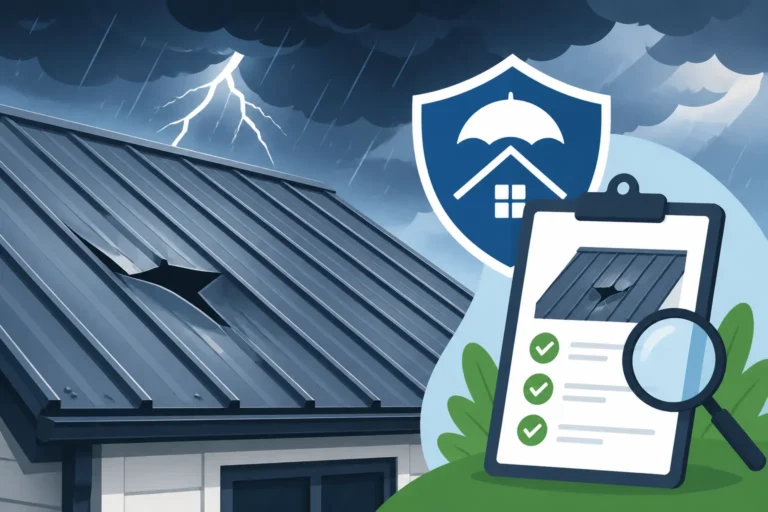
Let's be clear: performing major construction like a roof replacement without a required permit is illegal. If the City of Tampa or Hillsborough County building department discovers unpermitted work on your home, they will issue a stop-work order immediately. This means all work ceases, and your contractor can't continue until a permit is obtained, which often involves additional fines and penalties. Getting an "after-the-fact" permit is usually more expensive and more complicated than simply getting it right the first time.
Beyond the immediate fines, unpermitted work can lead to significant financial pain down the road. Should you decide to sell your home, prospective buyers and their lenders will require proof that all major renovations, including your roof, were permitted and inspected. Trying to sell a home with unpermitted work can cause severe delays, force you to get the permits retroactively (again, with penalties), or even lead to the sale falling through entirely. Moreover, if your unpermitted roof fails during a storm, your homeowner's insurance policy might deny your claim, leaving you to shoulder the entire cost of repairs or replacement. It’s a gamble that almost never pays off.
Structural and Warranty Concerns
Beyond the legal and financial aspects, there are serious structural and warranty implications. Without the oversight of a permitting and inspection process, there's no official assurance that your metal roof has been installed correctly and to code. An unqualified installer might cut corners, use improper fasteners, or neglect critical flashing details, leading to an aesthetically pleasing roof that is structurally unsound and prone to leaks or wind damage.
This lack of professional oversight can also void your manufacturer's warranty. Reputable metal roofing manufacturers often require that their products be installed by certified professionals and according to specific guidelines, which are typically verified during the permit and inspection process. If your roof fails prematurely due to improper installation, and there’s no permit to show it was done correctly, you could lose out on the benefits of that valuable warranty, leaving you with a costly repair bill for a roof that should have lasted decades.
Working with Your Contractor on Permits
The good news is that you don't have to navigate the entire permit process alone. A reputable metal roofing contractor in Tampa will be well-versed in local requirements and handle the permit application on your behalf. This is one of the many reasons why choosing the right contractor is so incredibly important. You should never feel pressured to pull the permit yourself unless you are truly an experienced, licensed contractor. For more information, check out Who Pulls the Permit: Contractor or Homeowner?
Who Should Pull the Permit?
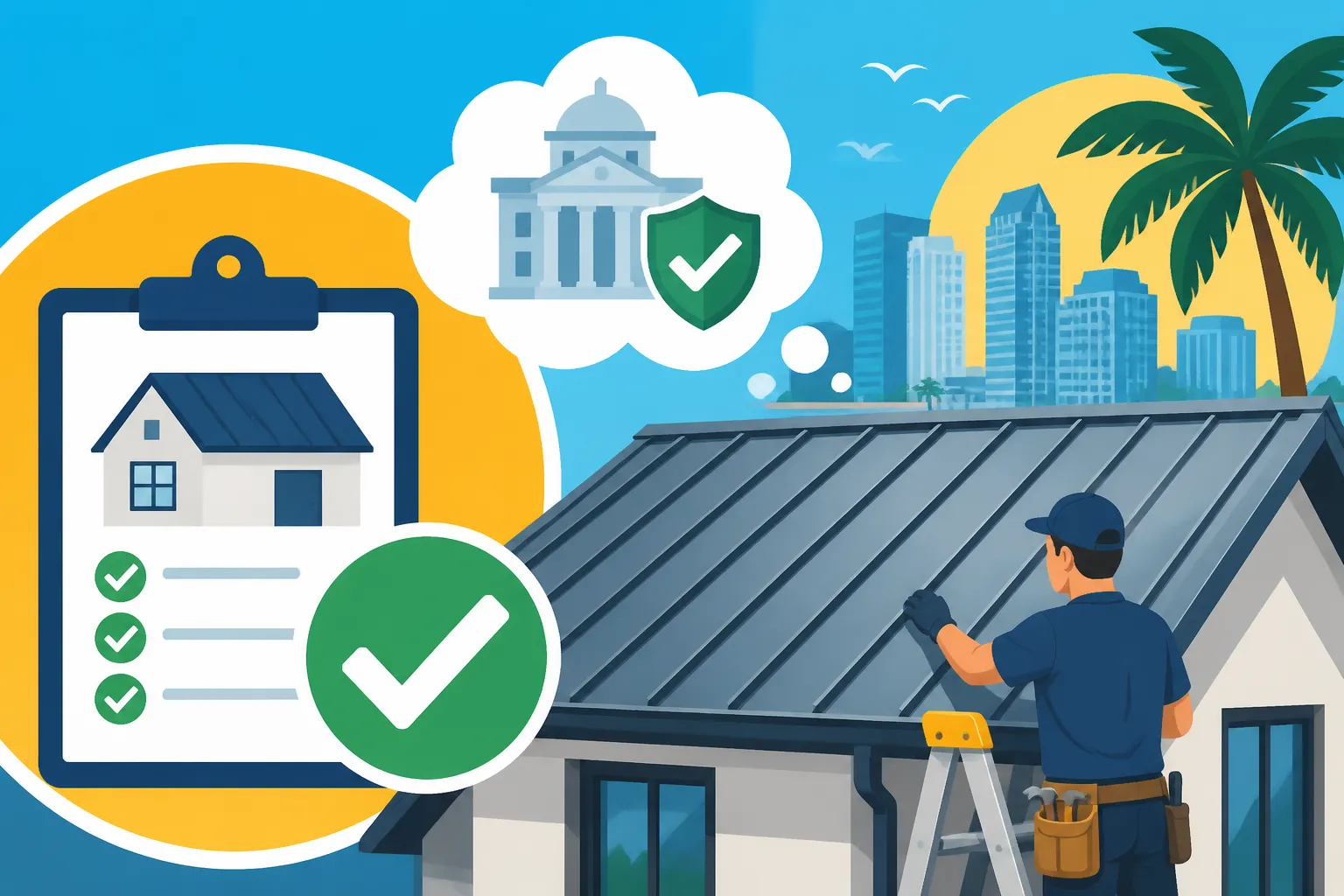
In almost all cases, the licensed roofing contractor you hire should be the one to pull the permit for your metal roof project. They possess the necessary licensing, insurance, and expertise to prepare the detailed plans and documentation required by the City of Tampa Development Services. Furthermore, when the contractor pulls the permit, they become responsible for ensuring the work complies with the approved plans and passes all required inspections. This significantly reduces your liability as the homeowner.
While the contractor handles the administrative work, as the homeowner, you still have an important role: staying informed. Ask your contractor about the permit status, request copies of the permit once it's issued, and understand the inspection schedule. A transparent contractor will be happy to share all this information with you. If a contractor suggests you pull the permit, consider it a significant red flag. This could indicate they are not properly licensed or insured, and they are trying to shift responsibility and liability onto you.
Verifying Contractor Licensing and Experience
Before you even get to the permit stage, selecting a qualified and trustworthy metal roofing contractor is paramount. In Florida, roofing contractors must be licensed by the Florida Department of Business and Professional Regulation (DBPR). You can easily verify a contractor's license status online through the DBPR website. Never work with an unlicensed contractor – they won't be able to pull a legitimate permit, and you'll have no recourse if something goes wrong.
Beyond licensing, look for contractors with specific experience installing metal roofs in the Tampa area. They'll be familiar with our local climate challenges and the specific demands of the Florida Building Code and Hillsborough County regulations. Ask for references from past clients, review their work, and ensure they carry proper liability and worker's compensation insurance. This due diligence ensures you're working with professionals who understand the permit process and will complete your metal roof installation correctly and safely. A great resource to help you is our guide on How to Hire a Metal Roofing Contractor.
| Permit Step in Tampa | Description | Key Stakeholder |
|---|---|---|
| 1. Contractor Selection | Hire a licensed, insured metal roofing contractor familiar with Tampa's building codes. | Homeowner |
| 2. Documentation & Plans | Contractor prepares detailed plans, product approvals (Florida Product Approval/NOA), and specific installation methods for submission. | Contractor |
| 3. Application Submission | Contractor submits the permit application and all supporting documents via Hillsborough County's Accela Citizen Access (ACA) portal. | Contractor |
| 4. Plan Review | City of Tampa Development Services Department reviews the plans for compliance with Florida Building Code, zoning, and local ordinances. | City Officials |
| 5. Permit Issuance | Once approved, the permit is issued. It must be prominently displayed at the job site. | City Officials |
| 6. Inspections (Dry-In) | After underlayment installation, a "dry-in" inspection is scheduled to ensure proper waterproofing before metal panels are installed. | City Officials |
| 7. Final Inspection | Upon completion of the metal roof installation, a final inspection is conducted to verify all work meets code requirements. | City Officials |
| 8. Permit Closure | Once all inspections pass, the permit is closed, officially documenting your compliant new roof. | City Officials |
Disclaimer
Please note that building codes and permitting requirements can change. While we strive to provide the most current and accurate information, it is always advisable to confirm specific requirements directly with the City of Tampa Development Services Department or Hillsborough County building officials before starting any roofing project.